The business case, dwell time, average check, repeat visits
Comfort lifts dwell time by minutes, those minutes create a second drink, a dessert share, an upsell on sides. Calm acoustics enable conversation, conversation extends visits, extended visits lift revenue. Simple math, human first.
How wellness signals trust and quality
Guests read surfaces like books. Clean grout, warm light, breathable space, a gentle scent, these are micro proofs that the kitchen is as considered as the dining room.
Defining Wellness in Restaurants
Wellness is holistic. It involves physical comfort, emotional ease, and social connection. Think neutral lighting that flatters skin, seating that supports posture, sound that allows talk without strain, clear paths so movement feels effortless.
Holistic dimensions, physical, emotional, social
Physical, body comfort and cleanliness. Emotional, feelings of safety and calm. Social, the ability to connect without shouting.
Core principles, calm, clarity, care
Calm reduces decision fatigue. Clarity helps wayfinding and ordering. Care is how the details come together, from hand soap to menu typography.
Mapping principles to touchpoints
Door handle temperature, placement of the host stand, the first whiff of fresh air, napkin texture, water arrival within two minutes, plate noise on tabletops, all touchpoints count.
Brand Positioning Before Blueprints
Before you sketch, decide what kind of wellness you sell.
Choose a wellness archetype, spa-calm, nature-fresh, performance-fuel
Spa-calm for slow dining and date nights, nature-fresh for produce driven cafes, performance-fuel for active crowds chasing protein bowls and smart carbs.
Value props that convert, examples and proof points
“Cooked clean, priced fair, served fast” reads stronger when backed by visible filtration, open prep, and a composting station that actually works.
Signature ritual, your memorable moment
Tea trolley at sunset, citrus mist over salads at the pass, warm towels before dessert, choose one ritual and own it.
Site Selection and Spatial Flow
Wellness begins at the curb.
Entrance psychology, first 7 seconds
No clutter at the door, plant a single hero tree or sculpture, greet with a smile and a breath of fresh air. First impressions anchor everything.
Circulation that lowers stress
Clear lanes from entry to host to table to restroom. Servers need clean diagonals to move without bumping chairs. Flow equals fewer apologies, fewer spills.
Zoning for moods, active, social, quiet
Divide space, bar energy upfront, social two tops along the middle, quiet booths on the perimeter. Different moods, same brand.
Sensory Strategy, The Five Senses Playbook
Design each sense with intent.
Light that flatters food and faces
Use warm to neutral temperatures for evenings and brighter neutral for daytime. Avoid harsh downlights directly over plates, use side accent to add depth.
Soundscapes that reduce fatigue
Soft ceilings, acoustic panels disguised as art, fabric backed banquettes, and music levels under casual conversation. Bass travels, keep it clean.
Materiality and touch, biophilic textures
Wood, rattan, linen, stone, these calm the eye. Avoid shiny laminates that show fingerprints and reflect glare.
Scent and memory, micro dosing not masking
A faint citrus near the entrance or a herbal note near the bar can anchor memory. Never use scent to hide kitchen issues.
Taste theater, the pass as wellness stage
Open passes show fresh herbs, sliced citrus, steam lifting from broth. Guests love honest theater.
Lighting Design That Sells
Sell with light, not brightness.
Three layers, ambient, task, accent
Ambient for base comfort, task for reading menus and safe movement, accent for highlighting textures and plates. Balance creates depth.
Color temperature by time of day
Morning, cooler neutrals that feel crisp. Afternoon, balanced neutrals. Evening, warmer tones for relaxed faces and appetites.
Glare control and eye comfort
Shield lamps, use diffusers, bounce light off surfaces. Glare causes squinting, squinting shortens visits.
Daylight choreography
If you have windows, let them work. Sheers for soft diffusion, plants to edge frames, reflective ceiling planes to pull light deeper.
Seating Science and Table Layout
Seating is strategy.
Ergonomics, posture and plate
Chairs with lumbar support, seat heights that align with table thickness, elbows should rest without hunching. Guests notice comfort subconsciously.
Table mix for spend optimization
Include deuces for speed, banquettes for small groups, and a few six tops for celebrations. Corner booths often generate higher checks.
Privacy screens and acoustic shields
Low planters and slatted dividers create micro zones. People relax when they feel a little hidden.
Materials, Finishes, and Cleanability
Pretty is easy, practical wins long term.
What looks premium and stays hygienic
Quartz composites, porcelain tile, sealed oak, powder coated metals. Choose wipe friendly textures.
Antimicrobial myths vs reality
Labels sound nice, but cleaning protocols beat marketing claims. Train staff, design for easy upkeep.
Finishes that age gracefully
Patina can be charming, scratches across black high gloss are not. Test samples under real light and traffic.
Biophilic Design With ROI
Green is more than plants.
Greenery placement for line of sight
Use height at entries and low planters between tables. Avoid blocking staff sightlines.
Natural patterns and stress reduction
Use fractal patterns and organic curves in tiles or screens. The eye rests, the mind follows.
Water, stone, wood, honest textures
A small water feature near waiting areas calms without shouting. Keep it subtle.
Color Psychology for Appetite and Calm
Color steers mood.
Warm neutrals vs pure whites
Warm neutrals feel welcoming and hide wear. Pure whites can feel clinical and reflect glare.
Pops of fresh produce tones
Olive, beet, citrus, and wheat accents cue freshness without turning the space into a fruit basket.
Palette rotation through seasons
Swap cushions, art prints, and small decor each season to refresh without a full refurb.
Wellness Tech, Invisible but Felt
Make tech serve people.
Air quality, CO₂ monitoring, filtration
High CO₂ means sleepy guests and staff. Quiet filtration and live displays build trust.
Human centric lighting controls
Dim scenes by time blocks. Sunset scenes lower brightness and soften color temperature.
Quiet HVAC and thermal comfort
Even airflow prevents hot and cold corners. Keep vents away from necks and plates.
Restrooms and Back-of-House as Wellness Anchors
The least glamorous spaces prove your standards.
Restroom design people talk about
Bright, clean, plant accents, warm mirrors, touchless taps, a small hand cream station. People mention restrooms in reviews, use that.
Staff wellness zones reduce turnover
Break nooks with natural light and decent seating pay back in morale and service quality.
Prep lines that flow
Efficient lines cut chaos, calm kitchens, and reduce errors. Guests feel the difference at the table.
Accessibility and Neurodiversity
Design for everyone and you sell to more people.
Clear signage and navigation
High contrast signs, icons plus words, consistent placement. No guesswork.
Sensory friendly seating
Offer quieter tables, adjustable lighting near certain zones, and provide a visual menu version.
Menu legibility and contrast
Readable fonts, adequate size, and real contrast. No gray text on beige backgrounds.
The Menu x Interior Link
Interior and menu should sing the same song.
Plateware, portion optics, pace
Plate size and rim design influence perception. Avoid oversized plates for small portions. Pace service to the vibe of the room.
Open kitchen transparency
A view of fresh prep boosts perceived quality. Glass that blocks noise while keeping sightlines is a smart middle path.
Hydration rituals and tea moments
Offer infused water as a default, not an upsell. Tea rituals at night reduce alcohol only checks without lowering spend, add desserts and small plates to pair.
Storytelling and Merchandising
Sell without feeling salesy.
Wellness wall, proof over platitudes
Show your growers, filtration data, waste reduction, and staff training snapshots. Real proof beats vague claims.
Retail corners that do not clutter
Keep retail to one clean wall, ceramics, pantry items, branded tea blends. Good light, simple shelving, no crowding.
Micro pop ups and chef counters
Host nutrition focused chef talks or supplier tastings during off peak hours. Educate, then let guests eat.
Pre-Opening Checklist
Avoid chaos by checking the right boxes.
30 line items to sign off
Lighting scenes set, acoustic levels tested, scent diffuser calibrated, staff trained on rituals, restrooms stocked, signage consistent, air monitors live, host script ready, accessibility paths tested, slip resistance checked, menu legibility confirmed, POS tested in every zone, emergency lighting verified, planter irrigation set, cleaning protocols posted, table spacing measured, chair glide caps installed, napkin fold selected, waste stations labeled, allergen protocol rehearsed, tea trolley stocked, cloak hooks installed, stroller parking confirmed, candle policy set, delivery flow mapped, music playlists tagged by time, photography angles planned, VIP table identified, review response templates drafted.
Soft launch sensory audit
Invite a small crowd. Measure noise at peak, test light at dusk, note bottlenecks, collect quick surveys.
Staff scripts and rituals
Write simple lines, “Welcome in, take a breath, we have a quiet corner if you prefer,” small gestures, large impact.
Metrics, Test, Learn, Scale
You cannot improve what you do not track.
Dwell time and seat turns balance
Find your sweet spot by zone. Bar may prefer faster turns, booths may hold longer visits with higher spend.
AOV lifts by zone
Run menu experiments, a seasonal mocktail in the quiet zone, a shareable dessert near the banquettes. Track the lift.
Review mining and iteration cadence
Tag reviews by topics, light, sound, comfort, cleanliness, staff tone. Fix what comes up twice.
Case Mini-Studies
Every site is different. Three quick patterns.
Urban salad bar, high volume, fast casual
Bright neutral light, acoustic ceiling tiles, single hero tree, clear queue, hydration station visible from entry, result, faster decisions, higher add ons.
Coastal fine dining, sundown seating
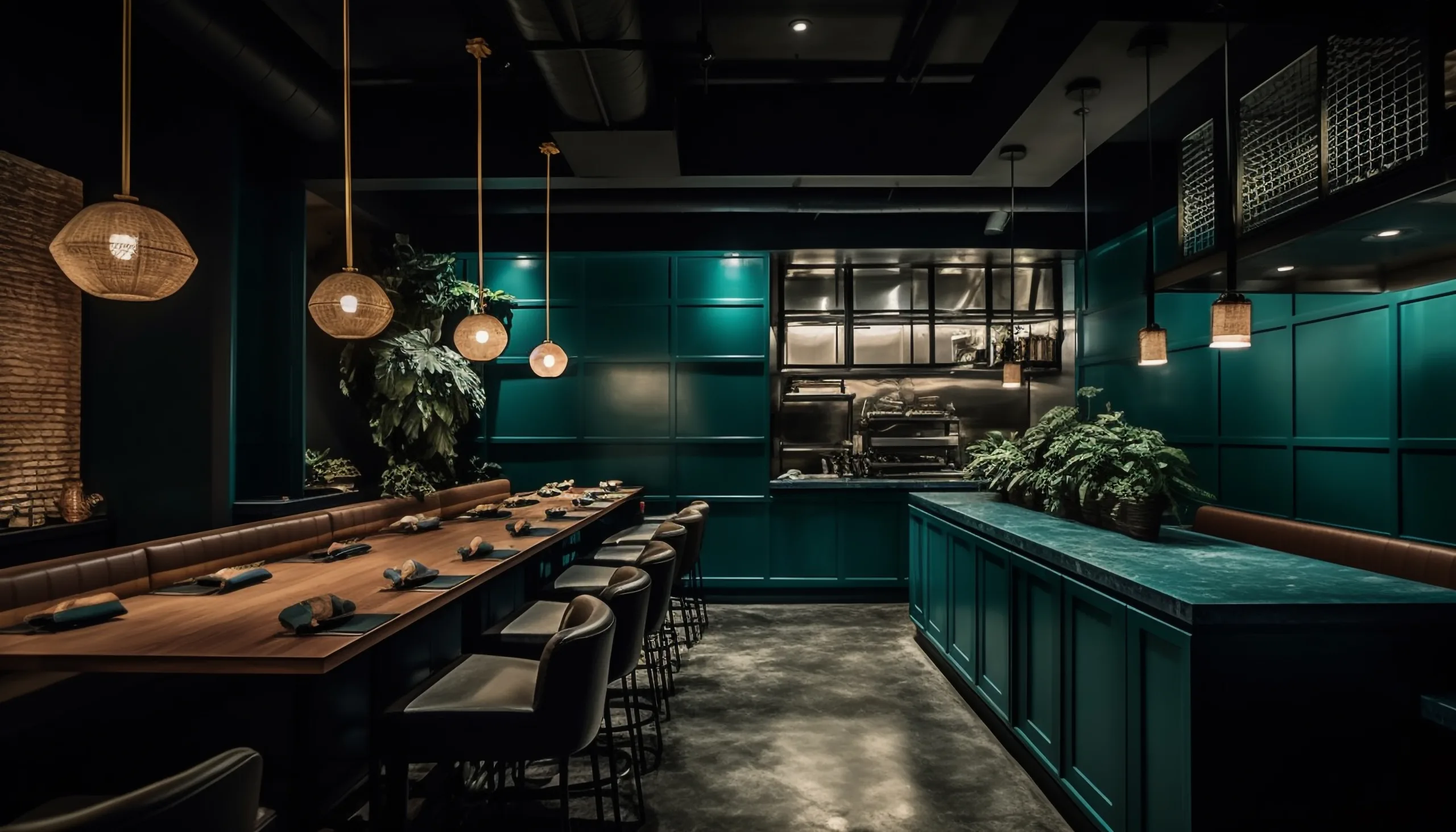
Warm textured walls, indirect lighting, sheer curtains, calm sound bed, tea ritual finale, result, longer dwell, higher dessert attach.
Mall cafe, low natural light
Mirrors to stretch depth, soft spot accents, plants along sightlines, sound baffles under tables, result, quieter room, better lunchtime spend.
Common Pitfalls and How to Avoid Them
Wellness can tip into theatrics. Stay honest.
Over perfuming, over planting, over promising
Use scent lightly, keep plants healthy, make claims you can prove.
Shiny surfaces and glare
Matte wins for eye comfort. Test lighting on plates and phones, people check messages, glare shows up there first.
Noise traps and crowding
Mind hard corners, add fabric where you can, keep aisles clear. Comfort is space plus quiet.
Your 90-Day Execution Plan
Move with structure.
Phase 1, research and concept, days 1 to 30
Define archetype, brand story, palette, lighting plan, zoning, sensory strategy, menu alignment. Build a one page concept sheet for every touchpoint.
Phase 2, design and procurement, days 31 to 60
Lock materials, order lighting, furniture, and greenery, specify signage and menu print, schedule contractors, draft staff scripts and rituals.
Phase 3, launch and optimization, days 61 to 90
Soft open, run the sensory audit, collect surveys, tweak light scenes and music, adjust seating density, finalize rituals, roll marketing with real space photos.