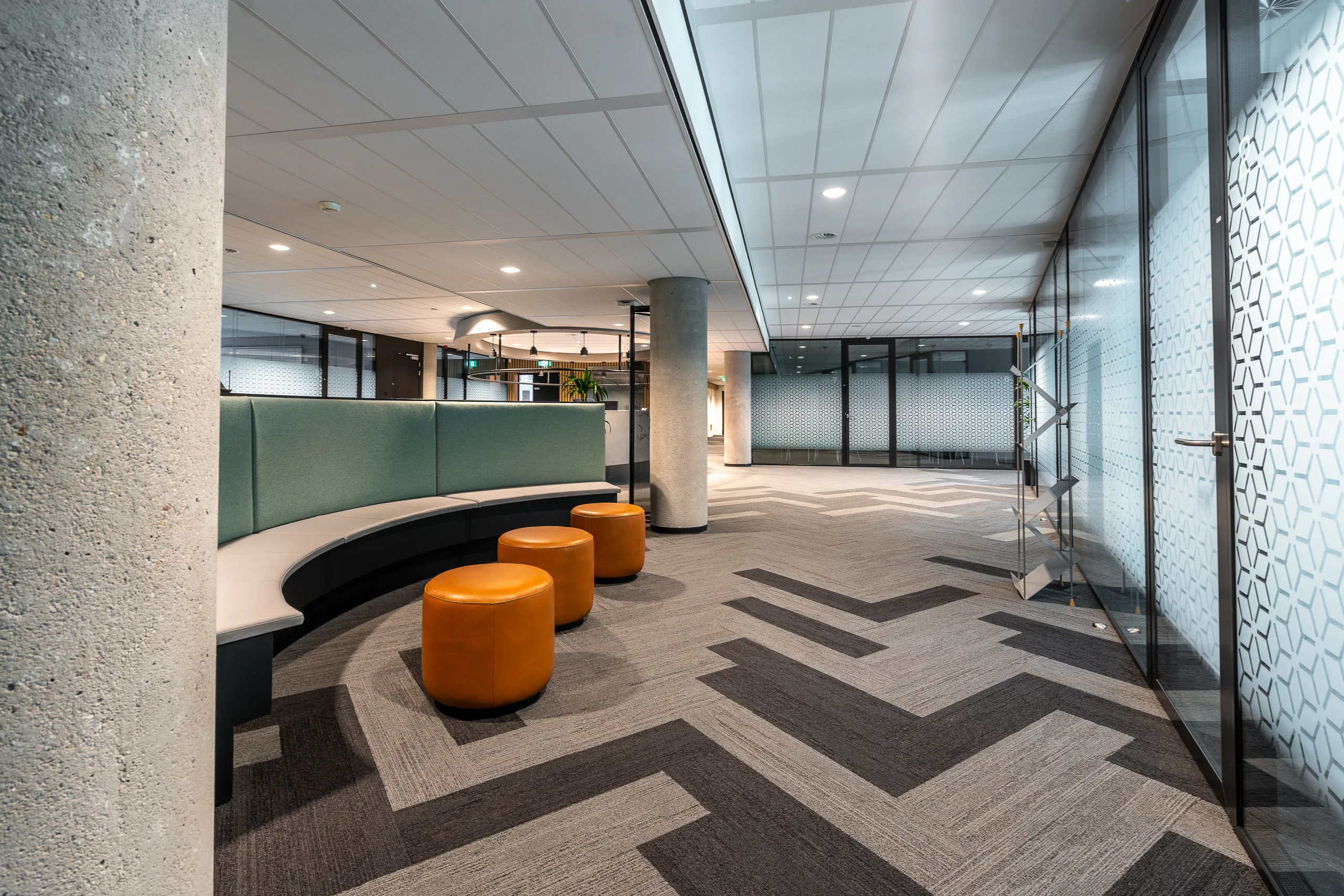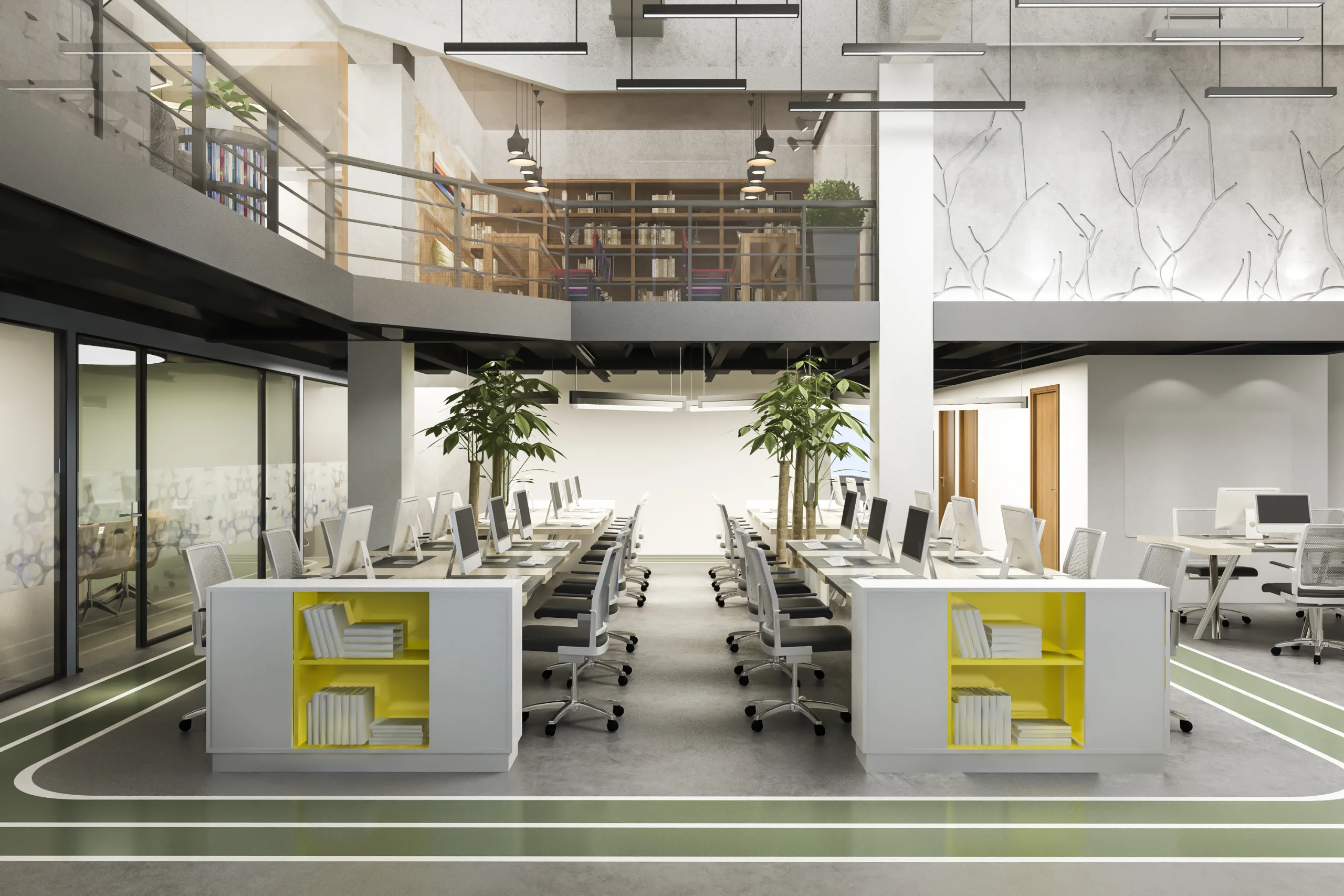
Home Spa & Wellness Room Design Ideas
Insights and Ideas
June 29, 2026
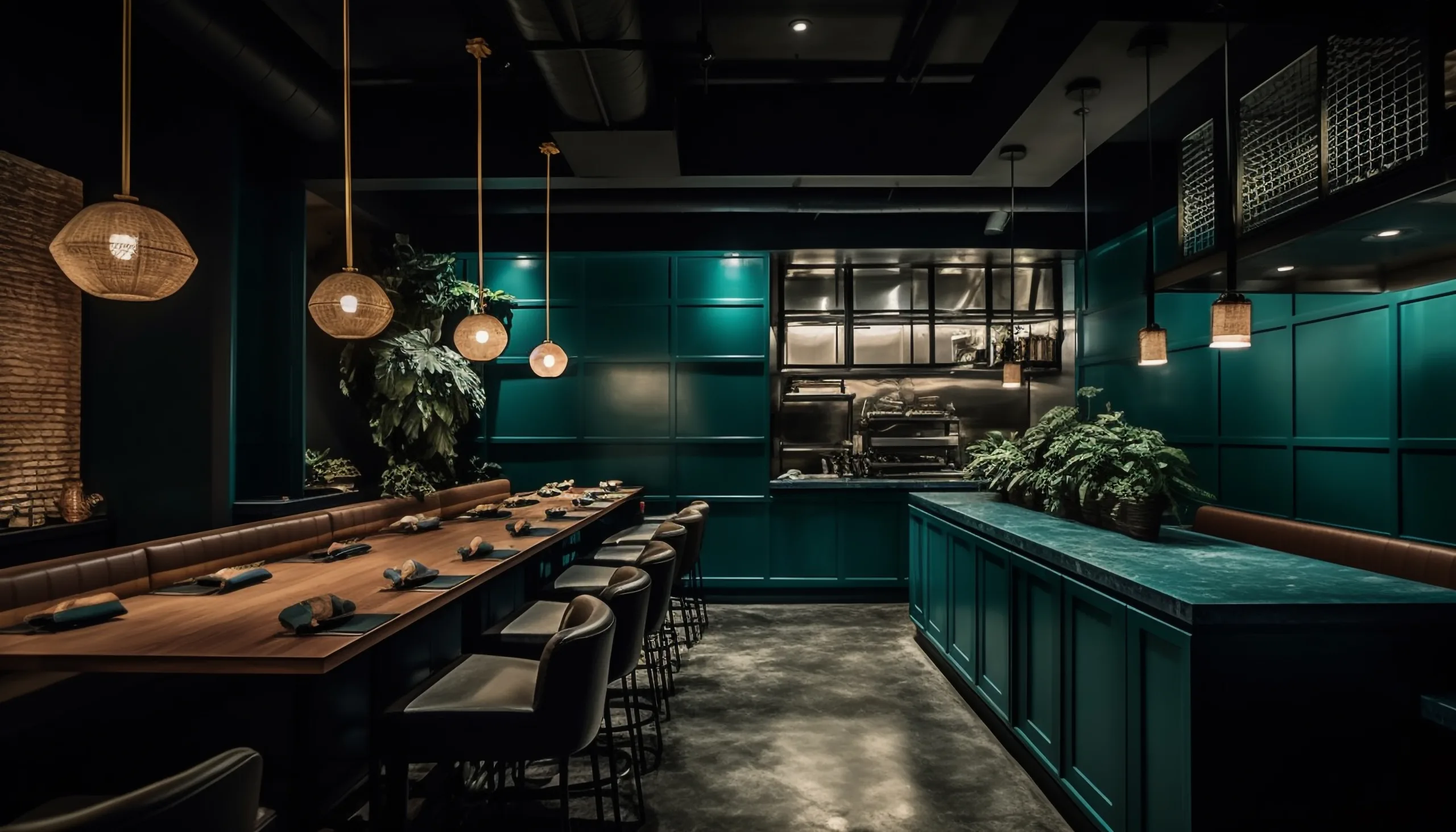

Dubai does not treat restaurants like simple places to eat anymore. A restaurant here is a stage, a memory, a social media backdrop, a business asset, and in many cases, a lifestyle destination. For F&B operators, that means restaurant interior design cannot be an afterthought squeezed in after the menu, lease, and kitchen equipment are decided. It has to be part of the business strategy from day one, because the way a restaurant looks, feels, sounds, and moves can directly influence how long guests stay, what they order, how often they return, and whether they recommend the place to someone else. In a city where diners can move from a casual Jumeirah café to a DIFC fine-dining room to a beachfront concept in one weekend, the interior has to do much more than look attractive.


This is where Studio by DH approaches restaurant design as both an emotional and operational craft. A beautiful space is not enough if the waiters keep bumping into chairs, the lighting makes food look flat, the entrance feels confusing, or the acoustics make dinner conversations feel like a shouting contest. Great restaurant interior design in Dubai sits at the intersection of brand storytelling, guest psychology, practical flow, durability, and local market awareness. Think of the restaurant as a well-directed film: the entrance is the opening scene, the dining room is the main story, the bar or counter is the character moment, and the lighting is the soundtrack quietly telling people how to feel. When all of those elements work together, the restaurant becomes easier to remember and harder to replace.
Dubai’s F&B market is not just active; it is intensely competitive. The city continues to attract tourists, residents, investors, chefs, and global concepts, which means diners have endless choice and very little patience for forgettable experiences. A restaurant that relies only on good food may survive for a while, but in Dubai, the strongest concepts usually combine food, service, setting, atmosphere, and brand clarity into one complete experience. That is why hospitality interior design has become such a powerful tool for operators. It helps a restaurant communicate its price point, cuisine, mood, and promise before the guest even reads the menu.
The rise of Dubai as a global culinary destination also changes how guests behave. People are not only asking, “Is the food good?” They are asking, “Is this place worth dressing up for?”, “Can I bring a client here?”, “Will my family feel comfortable?”, “Does it feel premium enough for the bill?”, and yes, “Will this look good on Instagram?” That does not mean every restaurant needs marble, chandeliers, and dramatic arches. It means every restaurant needs a strong point of view. A small shawarma concept, a seafood bistro, a specialty coffee bar, a chef-led tasting room, and a family-friendly casual diner all need different design languages, but each one needs to feel intentional.
Dubai’s diners are also highly mixed in culture, lifestyle, and expectation. A restaurant may serve Emirati families, GCC tourists, European residents, Asian business travelers, influencers, and corporate teams in the same week. That makes interior design a balancing act. It has to be expressive without alienating people, premium without becoming cold, practical without feeling basic, and memorable without turning into a theme park. The best spaces in Dubai often understand restraint. They create one or two unforgettable moments, then allow comfort, lighting, proportion, and service flow to carry the rest of the experience.
Before choosing tiles, chairs, lighting fixtures, or wall finishes, operators need to answer a harder question: what should this restaurant make people feel? This is the foundation of the concept. Without it, the design process becomes a shopping trip, and that is where many F&B interiors lose direction. A restaurant might end up with trendy chairs from one reference, industrial lights from another, a Mediterranean palette from Pinterest, and a luxury bar counter that belongs to a completely different brand. The result may look “nice,” but nice is not enough in Dubai. Guests remember spaces that have a point of view.
A strong restaurant concept works like a compass. It guides everything from the entrance sequence to the table spacing, the music level, the material palette, the staff uniform, and even the restroom design. For example, a modern Levantine restaurant may use warm stone, textured plaster, olive wood tones, soft arches, and intimate lighting to create a sense of generosity and comfort. A Japanese omakase counter may need quiet precision, minimal lines, controlled lighting, and a layout that puts the chef at the center of the performance. A family-friendly café may need softer edges, washable finishes, flexible seating, stroller-friendly circulation, and lighting that feels fresh in the morning but warm in the evening. Each decision should support the story.
The menu should also shape the design. A restaurant built around sharing plates needs different table dimensions than a fine-dining concept with multiple courses and heavy tableside service. A coffee-led concept needs an efficient ordering journey, display strategy, pickup flow, and seating mix for quick visits and longer laptop sessions. A seafood restaurant may benefit from open ice displays, water-inspired textures, or coastal references, but it still needs to avoid clichés that feel too obvious. The interior should not simply decorate the cuisine; it should translate the cuisine into space. When that happens, guests understand the brand faster and trust it more.
A restaurant layout is not just a floor plan; it is the business model drawn in lines and furniture. Every square meter has a job to do. Some areas create revenue directly through seats, private dining rooms, counters, or bar covers. Other areas protect revenue indirectly by making service faster, reducing staff fatigue, improving table turnover, and preventing operational chaos. A beautiful layout that slows down the team during peak hours is not successful design. It is expensive decoration wearing a nice outfit. That is why experienced commercial interior design teams study both the guest journey and the staff journey before finalizing the plan.
The entrance is the first pressure point. In Dubai malls, hotels, beachfront zones, and mixed-use developments, guests often make quick judgments from a distance. The entrance should tell them what the restaurant is, whether it is open, where to go, and what kind of experience to expect. A host stand should be visible but not blocking. Waiting areas should feel intentional, not like people are standing awkwardly in the circulation path. If takeaway or delivery is part of the model, it needs to be planned separately from dine-in arrivals. Nothing weakens a premium dining experience faster than delivery riders crowding the same entrance as guests arriving for dinner.
Inside the dining room, seating should be designed for both comfort and revenue logic. Banquettes can increase capacity and create intimacy, but if they are too tight, guests feel trapped. Loose tables offer flexibility, but too many can make the room feel temporary. Booths work well for families and groups, while counter seating can turn preparation into theatre. Private dining rooms are valuable in Dubai because corporate bookings, celebrations, and family gatherings are common, but they should not feel like leftover storage rooms with a table inside. The best private rooms have lighting control, acoustic separation, service access, and a mood that feels special enough to justify booking in advance.
| Design Area | Business Impact | Guest Experience Impact |
|---|---|---|
| Entrance and host zone | Improves arrival control and first impressions | Helps guests feel welcomed and guided |
| Seating mix | Supports revenue per square meter | Offers comfort for couples, groups, and families |
| Bar or counter | Adds high-value seating and theatre | Creates energy and visual interest |
| Service circulation | Reduces delays and staff friction | Makes service feel smooth and effortless |
| Private dining | Supports events and premium bookings | Gives guests privacy and exclusivity |
| Lighting control | Helps shift mood across dayparts | Makes food, faces, and interiors look better |
Lighting is one of the most underestimated parts of restaurant interior design Dubai operators should take seriously. It changes how food looks, how skin tones appear, how long guests want to stay, and how premium the space feels. Bright, flat lighting can make even an expensive restaurant feel like a cafeteria, while lighting that is too dark can frustrate guests trying to read menus or photograph food. The answer is not simply “warm lighting.” The answer is layered lighting. Restaurants need ambient light for general mood, task light for service and dining, accent light for art or architectural details, and decorative light that gives the room personality.
Dubai restaurants also need lighting flexibility because many concepts operate across different dayparts. A café may need bright, fresh morning light, softer afternoon warmth, and a more intimate evening mood. A hotel restaurant may serve breakfast, business lunch, afternoon tea, and dinner in the same space, which means the lighting system has to support different emotional speeds. Dimmers, concealed lighting, wall washers, table-level glow, and carefully placed pendants can help the restaurant evolve during the day. Lighting should also be tested with real food, tableware, and finishes before final approval. A beautiful pendant is not useful if it casts strange shadows over the plate.
Materials carry the physical memory of a restaurant. Guests may not know the exact type of stone, timber, leather, or plaster used, but they feel quality through touch, sound, weight, and detail. In Dubai, materials must also handle heat, air-conditioning, humidity shifts, sand, heavy cleaning, and intense footfall. That makes durability a design priority, not a boring technical detail. Natural stone, porcelain, treated timber, performance fabrics, metal trims, microcement, acoustic panels, and high-quality laminates can all work beautifully when selected properly. The key is to use premium materials where guests touch and notice them most, while using practical materials in high-impact zones.
Acoustics are the invisible luxury of restaurant design. Guests rarely walk in and say, “What excellent acoustic treatment,” but they absolutely notice when a restaurant is too loud, echoey, or uncomfortable. Hard surfaces such as glass, stone, metal, and concrete can create a striking visual mood, but they also bounce sound around the room. If the restaurant has music, open kitchens, busy service, and full tables, the noise can quickly become tiring. Acoustic ceilings, upholstered seating, curtains, textured wall panels, rugs in selected zones, timber slats, and soft decorative layers can make conversation easier without killing the energy. A restaurant should feel alive, not exhausting.
Every F&B operator in Dubai knows the power of social media, but the smartest brands do not design the entire restaurant like a photo booth. Guests can sense when a space is trying too hard. A neon sign on a floral wall may create a quick post, but it does not automatically create loyalty, credibility, or repeat visits. The better approach is to create signature moments that feel naturally connected to the brand. These could be a sculptural dessert counter, a dramatic ceiling installation, an open-fire cooking station, a beautifully framed view, a hand-painted mural, a unique washroom mirror, or a private dining room with a distinct identity.
The best Instagrammable moments work because they are integrated into the experience. They do not interrupt the flow or make the restaurant feel fake. A bakery might create a warm display wall where the product itself becomes the hero. A seafood restaurant might use soft reflective materials and lighting that echoes water movement without becoming cartoonish. A modern Emirati concept might reinterpret traditional patterns in a fresh architectural way, using screens, textures, and contemporary forms. A fine-dining restaurant might focus on one cinematic entrance moment, then keep the dining room calm and elegant. The goal is not to chase trends; the goal is to create a visual memory that belongs only to that brand.
Social media design should also consider camera angles. Where will guests naturally take photos? What will appear behind them? Does the lighting flatter people? Does the table look good when food arrives? Does the restroom mirror create a branded moment without feeling tacky? These questions may sound small, but they matter in a market where user-generated content can become free visibility. A good designer thinks about the restaurant through the eyes of guests, staff, photographers, influencers, families, and first-time visitors. The trick is to make the space photogenic without making guests feel like the restaurant cares more about photos than hospitality.
For Dubai F&B operators, compliance is not a box to tick at the end. It should influence planning from the beginning. Restaurant interiors need to consider food safety, ventilation, waste areas, washable surfaces, pest control, storage, staff access, fire safety, accessibility, and the specific requirements connected to the restaurant’s activity type. A beautiful design that ignores approvals can lead to delays, redesigns, extra cost, and opening frustration. This is why operators should involve experienced designers, kitchen consultants, MEP teams, and authority-aware project managers early in the process. The restaurant has to look good, but it also has to pass, perform, and operate safely.
The relationship between front-of-house beauty and back-of-house practicality is especially important. Guests may never see dry storage, dishwashing zones, staff corridors, preparation areas, or waste handling, but those spaces affect service quality every day. If the kitchen is too far from the dining room, service slows down. If the dishwashing path crosses food service flow, operations become messy. If storage is insufficient, clutter appears in places guests can see. If ventilation is poorly designed, smells travel where they should not. The design should make the team’s work easier because a calmer team usually creates a better guest experience.
Sustainability is also becoming more important in F&B interiors, not only because it sounds responsible, but because it can reduce waste, improve efficiency, and strengthen brand perception. Operators can explore durable furniture instead of disposable trend pieces, LED lighting systems, water-efficient fixtures, locally sourced materials where suitable, low-VOC paints, recycled surfaces, modular joinery, and layouts that reduce unnecessary energy use. Sustainability in restaurant design does not need to look rustic or overly “green.” It can look refined, modern, and luxurious. The smartest sustainable choices are often the ones guests do not immediately notice but operators benefit from every month through lower maintenance, longer material life, and stronger operational resilience.
A fine-dining restaurant in Dubai should focus on rhythm, privacy, and ceremony. Guests paying for a premium experience expect the space to slow time down a little. That can be achieved through controlled lighting, generous spacing, rich textures, elegant table settings, acoustic softness, and a journey that feels considered from arrival to dessert. Fine dining does not always need to be formal, but it should feel deliberate. Materials should have depth, seating should support long meals, and service routes should be almost invisible. If there is an open kitchen, chef’s counter, or wine display, it should feel like theatre rather than storage.
A casual dining restaurant needs warmth, flexibility, and durability. These spaces often serve families, friends, office workers, tourists, and repeat local guests, so the design should be welcoming without becoming generic. Flexible seating is key because group sizes change constantly. Lighting should feel friendly, not overly dramatic. Materials need to withstand high turnover and frequent cleaning, especially on table surfaces, floors, and banquettes. A strong casual restaurant often has one memorable design feature, such as a lively counter, a bold ceiling, a textured wall, or a colorful open kitchen, while the rest of the space stays comfortable and easy to navigate.
A café or coffee shop needs to treat the counter as the heart of the concept. The guest journey usually begins with browsing, ordering, paying, waiting, and then choosing whether to sit or leave. If this sequence is confusing, the entire experience feels inefficient. The display should make pastries, coffee, retail products, or desserts look desirable without creating clutter. Seating should be mixed, with quick stools, two-person tables, comfortable corners, and perhaps a communal table if the brand supports remote work or social gathering. The design should also consider plug points, lighting for laptops, takeaway packaging visibility, and a pickup area that does not block new orders.
A quick-service restaurant or takeaway-led concept needs speed, clarity, and brand recall. Guests should understand the menu, queue direction, payment point, pickup point, and exit route within seconds. Strong signage, menu boards, lighting contrast, and material zoning can help guide movement. The kitchen or preparation area can be partially visible if it supports trust and energy, but it must remain clean and well-organized. Since seating may be limited, the design should invest in the parts customers remember most: the façade, counter, packaging wall, digital menu area, and product display. A compact space can still feel premium when every detail is intentional.
A beachfront, rooftop, or outdoor restaurant in Dubai has another layer of complexity. The design must respond to views, weather, shade, wind, furniture durability, lighting after sunset, and guest comfort across seasons. Outdoor spaces should not feel like leftover terraces with tables scattered around. They need zoning, landscape, lighting, cooling strategies, and furniture that feels connected to the indoor concept. A rooftop venue may need dramatic arrival moments and skyline-facing seating, while a beachfront restaurant may lean into relaxed textures, soft fabrics, natural materials, and sunset-friendly lighting. Outdoor dining in Dubai can be magical, but only when comfort is designed as carefully as aesthetics.
One of the biggest mistakes F&B operators make is designing for opening night instead of year three. Some materials look beautiful in renders but age badly under restaurant pressure. Some layouts look spacious when empty but become chaotic when staff, guests, trays, bags, strollers, and delivery orders enter the picture. Some concepts spend too much on decorative drama and too little on lighting control, acoustic comfort, seating quality, and operational planning. A restaurant should photograph well on day one, but it should also still feel strong after thousands of guests have moved through it. Good design is not just about launch impact; it is about long-term performance.
Another common mistake is copying international references without translating them for Dubai. A Parisian bistro, New York steakhouse, Tokyo listening bar, or Mykonos beach club may inspire the mood, but Dubai has its own climate, guest mix, commercial realities, authority requirements, and mall or hotel environments. Direct imitation often feels hollow because it borrows the look without understanding the reason behind it. The better approach is adaptation. Take the emotional logic of the reference, then rebuild it around the local audience, cuisine, site, and business model. This creates a restaurant that feels globally aware but locally intelligent.
Operators should also avoid treating furniture as the final layer. Chairs, tables, banquettes, and bar stools shape comfort, capacity, posture, dwell time, and spending behavior. A chair that looks sculptural but becomes uncomfortable after 20 minutes may be wrong for dinner service. A table that is too small for sharing plates can frustrate guests and servers. A banquette that is too low or too deep can make dining awkward. Furniture is not decoration; it is equipment for hospitality. The best restaurant furniture balances comfort, cleaning, durability, brand expression, and commercial logic.
Studio by DH looks at restaurant interiors through the lens of both beauty and behavior. The aim is not to force a signature style onto every venue, but to understand the brand, audience, location, cuisine, and operational model before shaping the design language. This matters because every F&B concept has a different definition of success. For one operator, success may mean premium private dining bookings. For another, it may mean high-volume lunch turnover. For a café, it may mean becoming a daily ritual for residents. For a destination restaurant, it may mean creating a space guests talk about long after they leave.
A strong design process usually begins with discovery and concept development. This includes understanding the operator’s vision, target guest, competitive set, menu direction, budget, timeline, and site limitations. From there, the design can move into mood boards, space planning, material direction, lighting strategy, furniture selection, and coordination with technical teams. The earlier these decisions are aligned, the fewer surprises appear during fit-out. In Dubai, where restaurant openings often move under tight timelines, this clarity can save operators from costly revisions and stressful delays.
The final goal is to create a restaurant that feels desirable, operationally smooth, and commercially grounded. That means the guest should feel something, the staff should move easily, the brand should be clear, and the owner should see the design as an investment rather than a cost. Restaurant interiors are not just about what people see; they are about what people remember. When a space is designed with intention, guests do not simply say, “The restaurant looked nice.” They say, “We should go back.” That is the sentence every F&B operator wants to earn.
Restaurant interior design in Dubai is now a serious competitive advantage. With the city’s F&B scene becoming more global, more design-aware, and more experience-driven, operators need spaces that do more than follow trends. They need interiors that tell a clear story, guide guest behavior, support staff, photograph beautifully, meet local requirements, and stay durable under daily pressure. A restaurant is a living business, not a showroom, so every design choice should serve both emotion and operation. The right lighting, layout, materials, acoustics, seating, and brand moments can turn a meal into a memory and a first visit into a habit.
For F&B operators planning a new restaurant, café, lounge, or hospitality concept, the smartest move is to bring design thinking into the process early. Do not wait until the lease is signed, the kitchen is fixed, and the budget is already stretched. Start with the concept, understand the guest, map the flow, and build the design around the business model. That is how restaurants become easier to operate and harder for guests to forget. With a thoughtful approach, Studio by DH can help Dubai F&B brands create interiors that feel refined, functional, memorable, and ready for the pace of one of the world’s most exciting dining cities.
Restaurant interior design in Dubai is different because the market is unusually diverse, fast-moving, and experience-led. A restaurant may need to appeal to tourists, residents, families, business guests, influencers, and high-spending diners at the same time, which makes the design challenge more layered. The climate also affects material choices, outdoor dining, ventilation, and maintenance, especially for beachfront, rooftop, and high-footfall venues. Dubai guests often expect strong atmosphere, premium details, and smooth service, even in casual spaces. That means a successful interior must balance beauty, comfort, durability, operational flow, and brand identity without feeling overdesigned.
The right investment depends on the restaurant format, location, size, cuisine, target audience, and expected revenue model. A fine-dining venue in DIFC or a hotel will usually require a different level of finish than a compact takeaway concept or neighborhood café. Instead of thinking only in terms of cost, operators should think in terms of return: better layout can improve service speed, better seating can increase dwell time, better lighting can improve guest perception, and better materials can reduce maintenance. Spending more is not always the answer, but spending strategically is essential. A good design team helps operators decide where to invest heavily and where to keep things practical.
The most important areas are the entrance, seating layout, service flow, lighting, acoustics, materials, and kitchen relationship. The entrance creates the first impression and helps guests understand the brand quickly. The seating layout affects comfort, capacity, revenue, and the type of guests the restaurant can host. Lighting and acoustics shape the emotional experience, often more than guests realize. Materials determine how the restaurant ages, while service flow determines whether the team can operate smoothly during peak hours. When these elements work together, the restaurant feels natural, comfortable, and professionally managed.
A restaurant can look Instagrammable by creating authentic brand moments rather than random decorative tricks. Instead of relying on neon signs or trend-based walls, operators can build visual interest through lighting, art, product displays, open kitchens, sculptural counters, textured materials, framed views, or memorable restroom mirrors. The key is to make the photo moment feel connected to the concept. Guests should feel like they discovered something beautiful, not like they were pushed into a marketing corner. When Instagrammable design is done well, it supports the restaurant’s identity and encourages sharing without weakening the overall atmosphere.
F&B operators should work with a professional hospitality interior design studio because restaurants are complex spaces with many moving parts. A designer needs to think about guest emotion, authority requirements, kitchen coordination, MEP services, lighting, furniture, durability, acoustics, circulation, branding, and budget control. Without professional planning, operators may end up with a space that looks good in parts but performs poorly in daily service. A studio like Studio by DH can help connect the creative vision with practical execution, which is especially important in Dubai’s competitive F&B environment. The result is a restaurant that feels intentional, works efficiently, and gives guests a reason to return.
Sign up to receive regular insights and lifestyle articles from Studio by DH, The Edit.