Home Spa & Wellness Room Design Ideas
Insights and Ideas
June 29, 2026
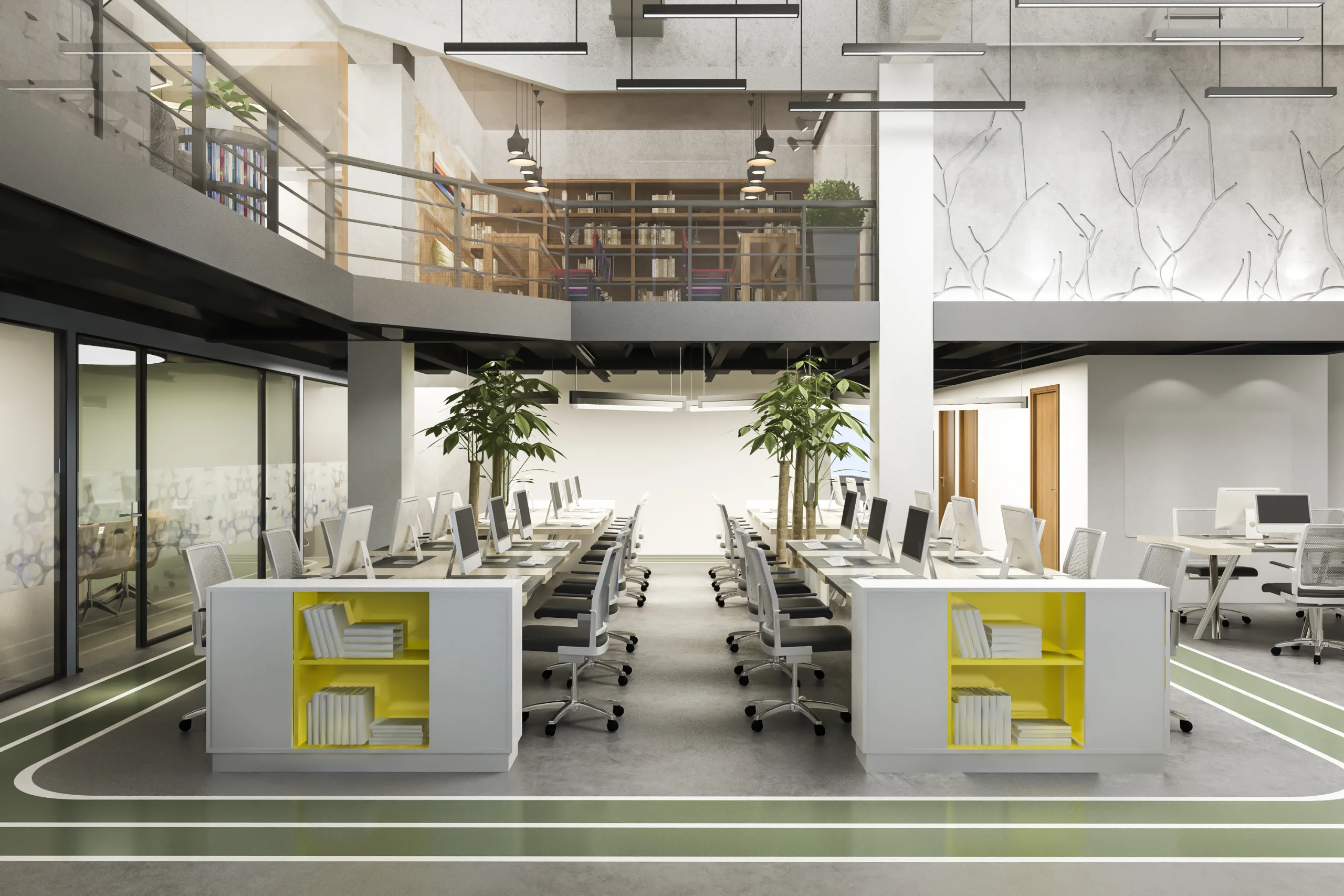

Designing a corporate office in Dubai is no longer about placing desks in a glass box and calling it a workplace. Dubai has become one of the most competitive business cities in the region, and the office now carries more weight than ever. It has to support productivity, impress clients, attract talent, reflect the brand, and help people feel good enough to do focused work. That is a lot to ask from walls, chairs, lighting, and flooring, but this is exactly why thoughtful office design matters.


The smartest corporate offices in Dubai are not the loudest or the most expensive. They are the ones that understand how people actually work. A legal firm in DIFC needs a very different layout from a tech company in Dubai Internet City, just as a real estate brokerage in Business Bay needs a different client journey from a financial consultancy in Downtown Dubai. The office should feel like it belongs to the company, not like it was copied from a Pinterest board and dropped into a commercial tower. Good design begins with the business model, the team structure, the visitor experience, and the kind of culture the company wants to build.
Dubai also has its own rhythm. The city is fast, polished, ambitious, and highly relationship-driven. Clients notice details. Employees compare workplaces. Founders want every square foot to earn its place because office space is a serious investment, especially in prime commercial areas. This is where layout, brand, and wellbeing come together. A strong office design does not only look impressive on the first day. It keeps working quietly in the background every day after that, helping people collaborate, concentrate, meet, recharge, and represent the company with confidence.
The Dubai office market has been moving through a period where quality space matters more than just having space. Recent market reports show that demand for well-located and good-quality offices remains strong, while many occupiers are becoming more strategic about lease terms, efficiency, and long-term value. This matters for design because companies are not simply asking, “How many desks can we fit here?” They are asking, “How can this office support growth without wasting rent?” That question changes everything, from the size of meeting rooms to the way hybrid teams use shared desks.
Smaller office units have also been especially active in Dubai, which tells us something important about the market. Many companies are choosing compact but highly functional spaces rather than oversized offices that look impressive but sit half-empty. This is very relevant for startups, boutique consultancies, agencies, law firms, clinics, and regional headquarters that want a strong presence without unnecessary overhead. A smaller space can still feel premium if the planning is sharp. In fact, compact offices often force better decisions because every corridor, storage wall, meeting room, and workstation has to justify itself.
A smart office interior design company in Dubai will usually begin with a workplace audit before jumping into moodboards. How many people are in the office daily? How many are hybrid? How often do clients visit? How confidential is the work? Do teams need silence, collaboration, or both? Without these answers, even a beautiful office can become frustrating. Design is not decoration first. It is operational strategy wearing a good suit.
A corporate office is one of the few places where brand, culture, sales, HR, and operations all collide. When a client walks into your reception, they are already forming an opinion about your competence. When a candidate attends an interview, they are reading the room before they read the offer letter. When employees arrive on a Monday morning, the office either gives them energy or quietly drains it. That is why office design should be treated as a business tool, not a cosmetic upgrade.
Think of the office like a silent salesperson. It tells visitors whether your company is organised, confident, modern, established, creative, discreet, premium, or chaotic. A luxury real estate firm may need a refined client lounge with warm materials, soft lighting, and screens for project presentations. A corporate law firm may need privacy, acoustic separation, and a serious tone that communicates trust. A digital agency may need flexible zones, creative walls, and spaces that encourage quick collaboration. None of these approaches is better than the other. The right design is the one that matches the business.
The same logic applies internally. If the company says it values collaboration but the office has no informal meeting spaces, the design is contradicting the culture. If leadership says wellbeing matters but employees sit under harsh lighting with no quiet zone, the office is not supporting the message. People notice these contradictions quickly. A well-designed corporate office aligns the promises a company makes with the environment people experience every day.
The corporate office layout is the foundation of the entire design. Before you choose marble, wood, fabric, plants, or wall graphics, you need to decide how people will move, work, meet, wait, eat, call, focus, and leave. A layout is like the skeleton of the office. If it is weak, no amount of expensive finishing can fix it. If it is strong, even a simple office can feel polished, calm, and easy to use.
In Dubai, office layouts also have to respond to the realities of commercial towers, authority requirements, landlord rules, existing MEP systems, fire safety routes, views, daylight, and lift access. Many offices have beautiful windows but poor internal planning, so the best daylight ends up in meeting rooms used twice a day while employees sit in darker internal zones for eight hours. Other offices put the pantry in the wrong place, so casual noise spills into workstations. Some companies overbuild meeting rooms and underbuild focus rooms, then wonder why people take confidential calls in corridors. These are not small issues. They affect productivity every single day.
A good layout starts by mapping your people and activities. You need to understand which teams work together, which roles need privacy, which areas face clients, and which functions can be tucked away. You also need to think ahead. Will the company grow in 12 months? Will the office support hybrid seating? Can a training room become a boardroom? Can a lounge become an event space? Dubai businesses often grow quickly, so flexibility is not a bonus. It is survival.
The reception area is the handshake of the office. It should be clear, welcoming, and aligned with the company’s positioning. In Dubai, where hospitality and presentation carry serious weight, the reception should never feel like an afterthought. It does not always need to be huge, but it does need to be intentional. Visitors should immediately understand where to go, who to speak to, and what kind of company they have entered.
For a premium corporate office, the reception can use layered lighting, a branded feature wall, comfortable seating, and carefully selected materials. This does not mean the logo has to be enormous or the space has to scream for attention. Sometimes the most confident reception areas are quiet and precise. A textured wall, a warm stone counter, discreet signage, and a well-placed brand colour can say more than a giant illuminated logo. The goal is to make the brand feel established, not desperate to be noticed.
The visitor journey should also be practical. If clients regularly come for meetings, the reception should connect smoothly to the boardroom or client lounge without forcing guests through the main working area. If confidentiality matters, visitors should not pass by employee screens or sensitive documents. If the company hosts VIPs, provide enough waiting space and privacy. The best reception design combines beauty and control. It makes people feel welcome while protecting the flow of the office.
Open-plan offices have a complicated reputation, and honestly, they deserve it. When done badly, they become noisy desk farms where everyone is visible but nobody can concentrate. When done well, they create energy, transparency, and quick collaboration without destroying focus. The difference is planning. A good open work area is not just a large room full of desks. It is a balanced work environment with zoning, acoustic thinking, circulation, storage, and access to support spaces.
For a corporate office in Dubai, open workstations should be planned around team behaviour. Sales teams may need more movement, quick calls, and access to meeting pods. Finance teams may need quieter zones and more privacy. Creative teams may benefit from pin-up areas, flexible tables, and informal discussion points. Leadership teams may sit close to departments for visibility, but they may still need private rooms for sensitive conversations. These differences should shape the layout from the beginning.
Desk density should also be handled carefully. It may be tempting to fit as many people as possible into a space, especially when rents are high, but overcrowding usually becomes expensive in hidden ways. People get distracted, meeting rooms become overbooked, noise complaints rise, and employees start avoiding the office. A slightly more generous layout can improve performance, comfort, and retention. The office should feel active, not packed like an airport gate during a delayed flight.
Meeting rooms are often where office design goes wrong. Many companies either build too many formal rooms or not enough small spaces for quick calls and focused work. The modern Dubai office needs a mix. You may need one impressive boardroom for clients, two medium meeting rooms for internal discussions, a few small phone booths, and one or two focus rooms for deep work. The exact mix depends on the company, but the principle stays the same: not every conversation needs a 12-seat conference table.
Focus rooms are especially important now because hybrid work has changed office behaviour. People come into the office to collaborate, but they still need time to think, write, analyse, sell, design, code, or prepare. Without quiet spaces, the office becomes useful only for meetings, and employees save real work for home. That is not a great sign. A strong office gives people a reason to come in because it supports different modes of work better than a laptop at the dining table.
Private zones also matter for leadership, HR, finance, legal, and client-sensitive industries. In Dubai’s corporate environment, discretion often equals professionalism. Acoustic privacy should be planned through partitions, door seals, ceiling treatment, wall insulation, furniture placement, and careful room adjacency. If someone in a meeting room can hear every word from the pantry, the design has failed quietly but seriously.
The pantry is not just where people make coffee. It is where culture appears in its most honest form. People talk there, relax there, celebrate small wins there, and sometimes recover from tough meetings there. In Dubai, where long working hours and fast-paced business environments are common, a good pantry or lounge can make the office feel more human. It gives employees a place to pause without leaving the workplace completely.
The design of the pantry should match the company culture. A corporate finance firm may prefer a refined café-style pantry with clean finishes, comfortable seating, and controlled visibility. A creative company may want a more relaxed, colourful space that encourages spontaneous conversations. A growing SME may need a compact pantry that doubles as a casual meeting area. The important thing is to avoid treating it as leftover space. If the pantry is badly placed, it becomes noisy and disruptive. If it is well placed, it becomes a useful social anchor.
Social spaces are also valuable for employer branding. Candidates remember how an office feels. Employees remember whether they have a place to breathe. Clients may never see the pantry, but they will feel the culture that forms around it. A corporate office that supports informal connection often feels more alive, and that matters because people do not only work through tasks. They work through relationships.
A branded office is not an office with logos on every wall. That is branding at its most basic level. Real corporate office branding translates the company’s personality into space. It asks: What should people feel when they enter? Trust? Energy? Calm? Precision? Innovation? Warmth? Authority? Once you know the answer, the design can express it through layout, materials, colours, lighting, signage, furniture, artwork, and even scent.
Dubai companies often compete in industries where first impressions are intense. Real estate, law, finance, hospitality, tech, design, consulting, and healthcare all depend heavily on trust. A visitor may not consciously analyse the thickness of a door, the softness of the lighting, or the neatness of the meeting room storage, but they will feel the overall message. Is this company sharp? Is it stable? Is it premium? Is it organised? The office becomes part of the sales conversation before anyone opens a presentation.
Brand-led design also helps employees understand the company they are part of. When the environment reflects the mission, values, and tone of the business, the brand becomes physical rather than just something written in a PDF. That does not mean turning the office into a theme park. Subtlety is often more powerful. A strong brand space feels consistent and believable, not decorated for a campaign shoot.
Start with the company’s core values, then translate them into design decisions. If the brand is built around transparency, the office might use open sightlines, glass partitions, and visible collaboration areas. If the brand is built around discretion, the design might use layered privacy, enclosed rooms, richer materials, and controlled lighting. If the brand is youthful and energetic, flexible furniture, bold graphics, and creative breakout zones may make sense. If the brand is premium and calm, fewer materials, warmer tones, and elegant detailing may work better.
The trick is to avoid generic design language. Words like “modern,” “luxury,” and “innovative” are not enough because almost every company says them. You need more specific words. Is the brand quiet luxury or bold luxury? Is it corporate modern or creative modern? Is it warm and personal or sleek and minimal? A good designer will challenge vague language because vague strategy produces vague spaces.
Physical details can include reception signage, custom wall finishes, meeting room names, branded presentation walls, artwork, display shelves, lighting temperature, upholstery textures, and even the way documents or products are stored. These details do not need to be expensive, but they need to be consistent. A brand is built through repetition. If the reception feels premium but the meeting rooms feel cheap, the spell breaks.
Materials speak. Wood can feel warm, grounded, and approachable. Stone can feel permanent and premium. Glass can feel open and corporate, but too much glass can feel cold. Metal can feel sharp and technical. Fabric softens a room, improves acoustic comfort, and adds hospitality. In Dubai corporate office design, the best material palettes often balance professionalism with warmth because the city already has plenty of glass, steel, and polished surfaces.
Colour should also be handled with care. Brand colours do not need to cover entire walls. Sometimes a brand colour works better as a controlled accent on furniture, artwork, meeting room graphics, or wayfinding. A deep blue may work beautifully in a legal or financial office, but too much of it can feel heavy. A bright orange may energise a creative space, but it may feel distracting in a focus area. The right colour strategy considers both brand recognition and human comfort.
Lighting is one of the biggest mood-makers in an office. Harsh white light can make even expensive interiors feel like a clinic. Warm layered lighting can make a reception feel more premium and a lounge more inviting. Task lighting helps employees work comfortably, while feature lighting can highlight brand walls or display areas. The goal is not to make the entire office dramatic. It is to use lighting to support different activities, focus at desks, clarity in meeting rooms, warmth in lounges, and impact in client-facing areas.
Client-facing spaces deserve special attention because they influence trust. A boardroom, consultation room, or client lounge should feel controlled, comfortable, and aligned with the company’s level of service. In Dubai, clients often expect a certain polish, especially in industries connected to investment, property, law, luxury, and professional services. This does not mean everything must be flashy. In fact, many premium spaces are memorable because they are restrained.
A good client meeting room needs more than a nice table. It needs acoustic privacy, comfortable chairs, integrated technology, proper screen visibility, flattering lighting, easy access to refreshments, and a background that looks professional on video calls. Storage should be hidden. Cables should be invisible. The room should support both in-person meetings and hybrid presentations without making people fight with the remote. Nothing kills a premium impression faster than ten minutes of “Can you hear me now?”
Client lounges can add another layer of hospitality. Instead of making visitors wait in a stiff reception chair, a lounge can create a calmer setting for informal conversation. This is especially useful for real estate firms, design studios, investment advisors, and consultants who need to build rapport. The lounge should feel like part of the brand story, not a random sofa corner. Done well, it becomes one of the most valuable spaces in the office.
Workplace wellbeing should not be added after the office is finished. It should shape the design from the start. Many companies talk about wellbeing through gym discounts, wellness talks, or occasional health campaigns, but the physical workplace has a daily impact that is much harder to ignore. Air quality, light, noise, temperature, posture, movement, privacy, and access to rest all affect how people feel. The office is either supporting wellbeing or slowly chipping away at it.
In the UAE, companies are paying more attention to wellbeing because it connects directly to productivity, retention, and employer brand. This is not soft thinking. It is practical business thinking. If employees feel drained every time they come to the office, the company pays for it through lower focus, weaker morale, more sick days, and higher turnover. If the office helps people feel clear, comfortable, and respected, it becomes part of the company’s competitive advantage.
A wellbeing-focused office does not have to look like a spa. It simply needs to remove unnecessary friction from the workday. Can people find a quiet place when they need one? Can they adjust their posture? Can they take a short break without feeling exposed? Is the air fresh? Is the lighting comfortable? Are meeting rooms easy to book and use? Wellbeing often lives in these small, practical details.
Natural light is one of the most valuable assets in any Dubai office. If your office has good windows, protect that advantage. Place daily work areas where people can benefit from daylight, and avoid blocking windows with closed rooms unless there is a strong reason. Meeting rooms and executive offices are important, but they should not steal all the best light from the wider team. A fair daylight strategy can make the office feel more open, energetic, and pleasant.
Air quality also deserves serious attention. Dubai’s climate means people spend a lot of time indoors, so HVAC performance, ventilation, filtration, and maintenance matter. A beautiful office with poor air will not feel good for long. Materials should also be selected with indoor environmental quality in mind, especially paints, adhesives, carpets, panels, and furniture finishes. Low-quality materials can affect smell, comfort, and perceived freshness. People may not know the technical reason, but they will notice when a room feels heavy.
Thermal comfort is another major issue in Dubai offices. Some people freeze under direct AC while others feel warm near glass. A good design considers diffuser locations, zoning, blinds, glazing, and workstation placement. You cannot make every person perfectly happy all the time, but you can avoid obvious mistakes. The office should not require employees to keep a jacket at their desk in July while stepping outside feels like opening an oven door.
Ergonomics is not just about buying expensive chairs. It is about designing work settings that support the body throughout the day. A good workstation should allow healthy posture, enough legroom, correct monitor height, comfortable reach, and suitable task lighting. Chairs should be adjustable. Desks should be properly sized. Screens should not face glare. These details may sound basic, but many offices still get them wrong.
Movement is equally important. People are not built to sit frozen for eight hours, no matter how good the chair is. The layout should encourage natural movement through shared printers, pantry placement, collaboration zones, small meeting rooms, and standing discussion areas. Some offices add sit-stand desks or high tables, but even without them, a thoughtful plan can create healthy movement patterns. A workplace should feel easy to move through, not like a maze of chairs and cables.
Wellbeing also improves when people have choices. Not every task needs the same posture or setting. Employees may want to sit at a desk for focused work, stand for a quick call, move to a lounge for informal discussion, or use a quiet room for thinking. This variety makes the office feel less rigid. In a city as fast-paced as Dubai, giving people a little control over how they work can make a noticeable difference.
Noise is one of the biggest enemies of productivity. It is also one of the most underestimated parts of office design. A space can look stunning in photos and still be miserable to work in if every phone call, meeting, and coffee machine sound bounces across the room. Acoustic comfort should be planned early because it is difficult and expensive to fix after the fit-out is complete.
Good acoustic design uses layers. Ceiling panels, carpets, rugs, acoustic wall finishes, upholstered furniture, curtains, phone booths, door seals, and room placement all help. The goal is not total silence. Offices need energy. The goal is to stop sound from becoming uncontrolled. People should be able to collaborate without disturbing everyone else, and people who need focus should not feel like they are working inside a café during lunch rush.
Mental focus also depends on visual noise. Too much clutter, too many exposed storage areas, too many colours, and too many competing graphics can make an office feel restless. This is especially true in corporate settings where employees deal with complex decisions, clients, numbers, contracts, or strategy. A calmer visual environment can help the brain settle. Sometimes the most productive design move is not adding more. It is removing what does not need to be there.
Designing an office in Dubai comes with local realities that should be respected from the start. This includes authority approvals, landlord requirements, building management rules, fire and life safety, sustainability expectations, cultural norms, and the climate. A design that ignores these factors may look good in concept but get stuck during approvals or fail during daily use. Dubai rewards ambition, but it also rewards preparation.
Different areas may involve different approval routes. A mainland office, a free zone office, a DIFC office, a Dubai Design District office, or a TECOM-regulated space may not follow the exact same process. Landlords also have their own fit-out manuals, working-hour restrictions, contractor requirements, insurance documents, and NOC procedures. Before design gets too detailed, the project team should confirm the approval pathway. This saves time, money, and a lot of late-stage redesign stress.
Dubai’s culture also influences workplace experience. Hospitality, privacy, prayer needs, gender sensitivity in some settings, client reception, and executive protocol may all shape the plan. A multinational company may want a global workplace style, but it still needs to feel appropriate in the UAE. The best corporate offices in Dubai blend international standards with local understanding. That balance is where the design starts to feel mature.
Sustainability is no longer just a nice line in a company profile. Dubai’s green building direction, including Al Sa’fat, places emphasis on energy efficiency, water efficiency, materials, building performance, and indoor environmental quality. For corporate office design, this means the fit-out should consider lighting systems, HVAC efficiency, material selection, water-saving fixtures, waste planning, and indoor comfort. Even when a tenant is not constructing a whole building, the interior fit-out can still support or weaken the sustainability performance of the space.
A sustainable office does not have to look earthy or rustic. It can be polished, corporate, and premium while still making better choices. LED lighting, efficient controls, durable materials, modular furniture, recycled-content finishes, low-VOC paints, responsible wood products, and smart zoning can all make a difference. Durability is especially important. A cheap finish that needs replacing quickly is rarely sustainable, even if it looks acceptable on day one.
There is also a brand advantage here. Clients and employees increasingly expect companies to show responsibility, not just talk about it. If a business claims to care about sustainability but builds a wasteful office with poor air quality and disposable materials, the space tells a different story. A better approach is to make sustainability visible in subtle, credible ways. Show it through daylight use, material choices, planting, energy-conscious lighting, and a workplace that feels healthy rather than performative.
Office fit-out in Dubai is not just a design exercise. It is also a compliance process. Depending on the location and scope, the project may require approvals related to layout changes, MEP works, fire safety, authority submissions, landlord NOCs, and completion certificates. This is why the design team, fit-out contractor, MEP consultant, and project manager need to work together from the beginning. If they do not, the design may reach site and then collide with reality.
Fire safety planning is especially important. Exit routes, emergency lighting, fire alarms, sprinklers, smoke detection, door ratings, occupancy loads, and corridor widths cannot be treated as final-stage technical details. They shape the plan. If a beautiful meeting suite blocks a required route or conflicts with sprinkler coverage, it will need to change. It is always better to design with compliance in mind than to redesign under pressure.
Authority approvals can also affect timelines. Businesses often underestimate how long submissions, revisions, landlord reviews, procurement, and inspections can take. A realistic programme should include design development, authority drawings, approvals, procurement, site works, testing, snagging, and move-in. Rushing the process usually creates compromises. In Dubai, speed is possible, but only when the team is organised.
Hospitality is part of business culture in Dubai. A corporate office should make guests feel respected, whether they are clients, partners, investors, candidates, or suppliers. This can be achieved through a comfortable reception, proper waiting area, refreshments, clear signage, clean restrooms, and meeting rooms that feel prepared. These details sound simple, but they create trust. A client who feels looked after is more likely to relax into the conversation.
Cultural sensitivity can also affect space planning. Some offices may need a prayer room or a quiet multipurpose room. Others may need private areas for sensitive conversations. Companies serving high-net-worth clients, families, government-related stakeholders, or regional partners may need more formal reception protocols. A global office template may not answer these needs unless it is adapted intelligently.
The design should also respect modesty, privacy, and professional behaviour without making the office feel stiff. Glass rooms, for example, may look modern but can feel exposed if overused. Transparent spaces should be balanced with privacy films, curtains, partial screens, or solid walls where needed. A good Dubai office understands when to be open and when to be discreet.
A corporate office fit-out budget in Dubai depends on many factors, including location, size, building condition, design complexity, material quality, MEP changes, furniture selection, authority requirements, technology, and project speed. A basic functional office will cost very differently from a premium client-facing headquarters. The biggest mistake is comparing fit-out costs without comparing scope. Two offices of the same size can have completely different budgets because one may require heavy MEP work, acoustic treatment, custom joinery, imported furniture, or advanced AV systems.
The practical way to plan is to divide the budget into clear categories. Design fees, approvals, civil works, MEP, joinery, flooring, ceiling, lighting, furniture, signage, AV, IT, security, pantry equipment, loose decor, plants, contingency, and moving costs should all be considered. Many businesses only budget for visible items, then get surprised by approvals, fire safety modifications, data cabling, or landlord reinstatement requirements. A good budget sees the whole picture.
Timeline planning should also be realistic. Even if the contractor can build quickly, decisions still take time. Materials need approval. Furniture may have lead times. Authority comments may require revisions. Stakeholders may change their minds. The best way to protect the timeline is to make big decisions early, freeze the layout, approve materials, and avoid constant design changes during construction. Every late change has a ripple effect, and in fit-out, ripples are rarely cheap.
Start by deciding what the office must achieve commercially. Is the priority client impression, staff growth, operational efficiency, talent attraction, or all of these? Once the business goal is clear, the budget becomes easier to control because you know where to invest and where to simplify. For example, a consultancy that hosts clients daily should invest more in reception, meeting rooms, acoustic privacy, and presentation technology. A back-office operations team may prioritise ergonomic workstations, storage, lighting, and efficient circulation.
A simple budget comparison can help clarify priorities:
| Budget Area | Why It Matters | Where to Invest More |
|---|---|---|
| Layout and space planning | Controls efficiency and daily workflow | Growing teams, hybrid offices, client-heavy businesses |
| MEP and lighting | Affects comfort, safety, and approvals | Older buildings, premium offices, dense workspaces |
| Furniture | Impacts ergonomics and durability | Workstations, task chairs, meeting rooms |
| Acoustic treatment | Protects focus and privacy | Legal, finance, HR, sales, and hybrid teams |
| Branding and finishes | Shapes first impressions and identity | Reception, boardroom, client lounge |
| Technology and AV | Supports meetings and hybrid work | Boardrooms, training rooms, video call spaces |
The smartest budget is not always the largest. It is the one that spends money where it will be felt most. Do not overspend on decorative features while underfunding chairs, acoustics, or lighting. Do not build a dramatic reception if the meeting rooms feel unfinished. Do not buy beautiful furniture that fails after a year. The office should feel balanced, not like all the money was spent in the first five metres.
One common mistake is designing for leadership preferences instead of real work patterns. Leaders may love a certain look, but the team may need more storage, more phone booths, better meeting access, or quieter work areas. Another mistake is copying trends without asking whether they fit the company. A colourful creative office may look exciting online, but it may not suit a corporate advisory firm. A minimalist office may look elegant, but if it lacks warmth, it can feel cold and unwelcoming.
Another major mistake is ignoring acoustics until people complain. By then, the office is already finished, and the fixes are more limited. The same applies to lighting and HVAC. These invisible systems shape comfort more than many visible finishes. A beautiful office that is noisy, too cold, too bright, or badly ventilated will not feel successful for long.
Companies also underestimate storage. They design clean open spaces but forget files, samples, marketing material, IT equipment, pantry supplies, stationery, cleaning tools, and personal belongings. Then clutter appears, and the design loses its impact. Storage is not boring. Storage is what protects the look and function of the office after real life moves in.
Designing a corporate office in Dubai is a strategic decision, not just an interior design project. The right office layout can make the business more efficient, the right brand expression can build trust, and the right wellbeing choices can help people do better work without feeling drained. In a market where office space is valuable and employee expectations are rising, companies cannot afford to treat design as decoration. The office needs to earn its rent every day.
The best approach is to begin with clarity. Understand how the company works, who visits, how teams collaborate, where privacy is needed, how the brand should feel, and what employees need to stay focused and comfortable. Then translate those answers into layout, materials, lighting, acoustics, furniture, technology, and compliance planning. A strong office should feel good on day one, but it should also keep performing months and years later.
Dubai rewards companies that think ahead. A well-designed office can support growth, strengthen reputation, attract better talent, and create a daily environment people actually want to use. It does not need to be overdesigned or overly expensive. It needs to be thoughtful, practical, polished, and true to the brand. That is where layout, brand, and wellbeing stop being separate design topics and become one complete workplace strategy.
The first step is to define the business needs before starting the design concept. You should understand team size, hybrid work patterns, client visits, meeting requirements, privacy needs, storage needs, and future growth plans. This helps the designer create a layout that supports real operations instead of only looking good in renders. Once the workflow is clear, the design direction, furniture plan, materials, and authority requirements become much easier to manage.
Brand identity is extremely important because the office becomes a physical expression of the company. Clients, employees, partners, and candidates all form impressions based on the space. A strong branded office does not need logos everywhere, but it should reflect the company’s values through colours, materials, lighting, layout, signage, and client-facing areas. When done properly, the office makes the brand feel more credible and memorable.
A wellbeing-focused Dubai office should include comfortable lighting, good indoor air quality, ergonomic furniture, acoustic control, access to natural light, quiet rooms, social spaces, and opportunities for movement. Thermal comfort is especially important because Dubai’s climate makes people highly dependent on indoor environments. The goal is to reduce daily friction so employees can focus, collaborate, and recharge without feeling physically or mentally drained. Wellbeing should be built into the office, not added as a decorative extra.
Yes, many office fit-outs in Dubai require approvals depending on the building, location, authority, and scope of work. Layout changes, MEP modifications, fire safety systems, signage, partitions, and structural-related works may require landlord NOCs and authority submissions. Requirements can differ between mainland areas, free zones, and special districts. It is always better to confirm the approval process before finalising the design because compliance can affect layout, timeline, and budget.
A small office can feel premium when the layout is efficient, the materials are well chosen, and the design avoids clutter. Focus on a strong reception moment, comfortable workstations, good lighting, hidden storage, acoustic control, and one or two memorable brand details. Do not overcrowd the space with too many desks or decorative elements. In many cases, a compact office with smart planning feels more impressive than a large office with weak design.
Sign up to receive regular insights and lifestyle articles from Studio by DH, The Edit.