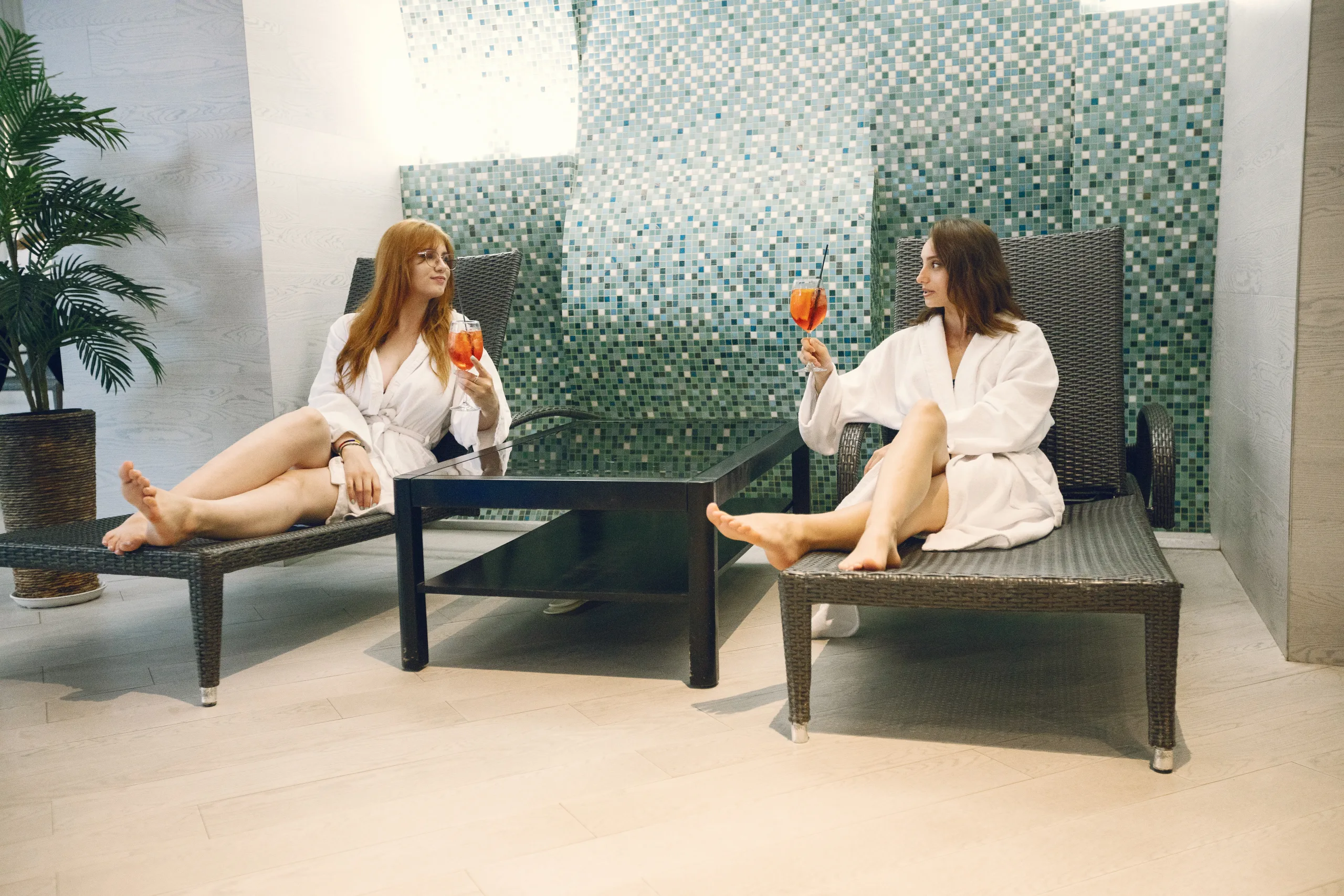
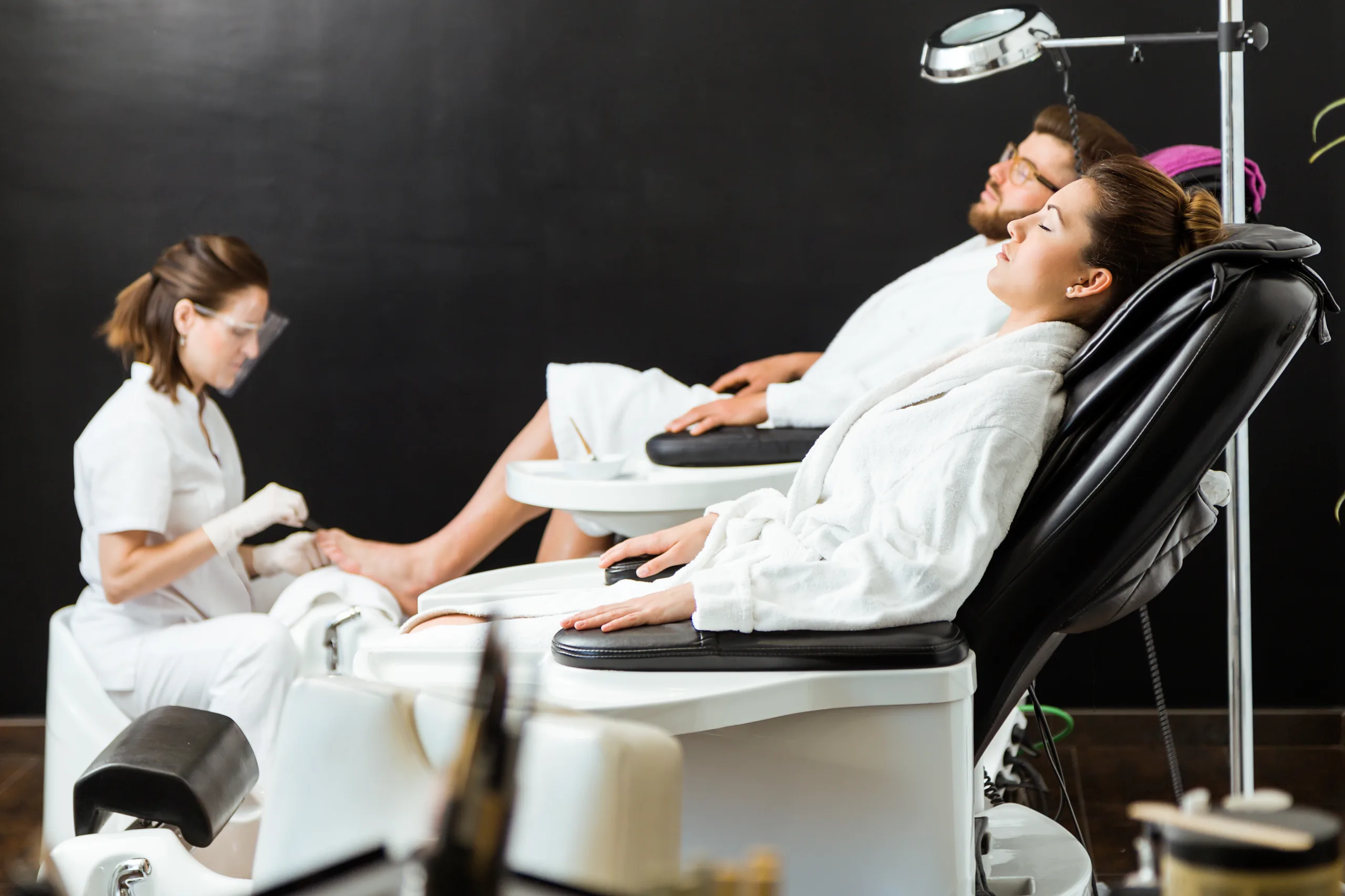
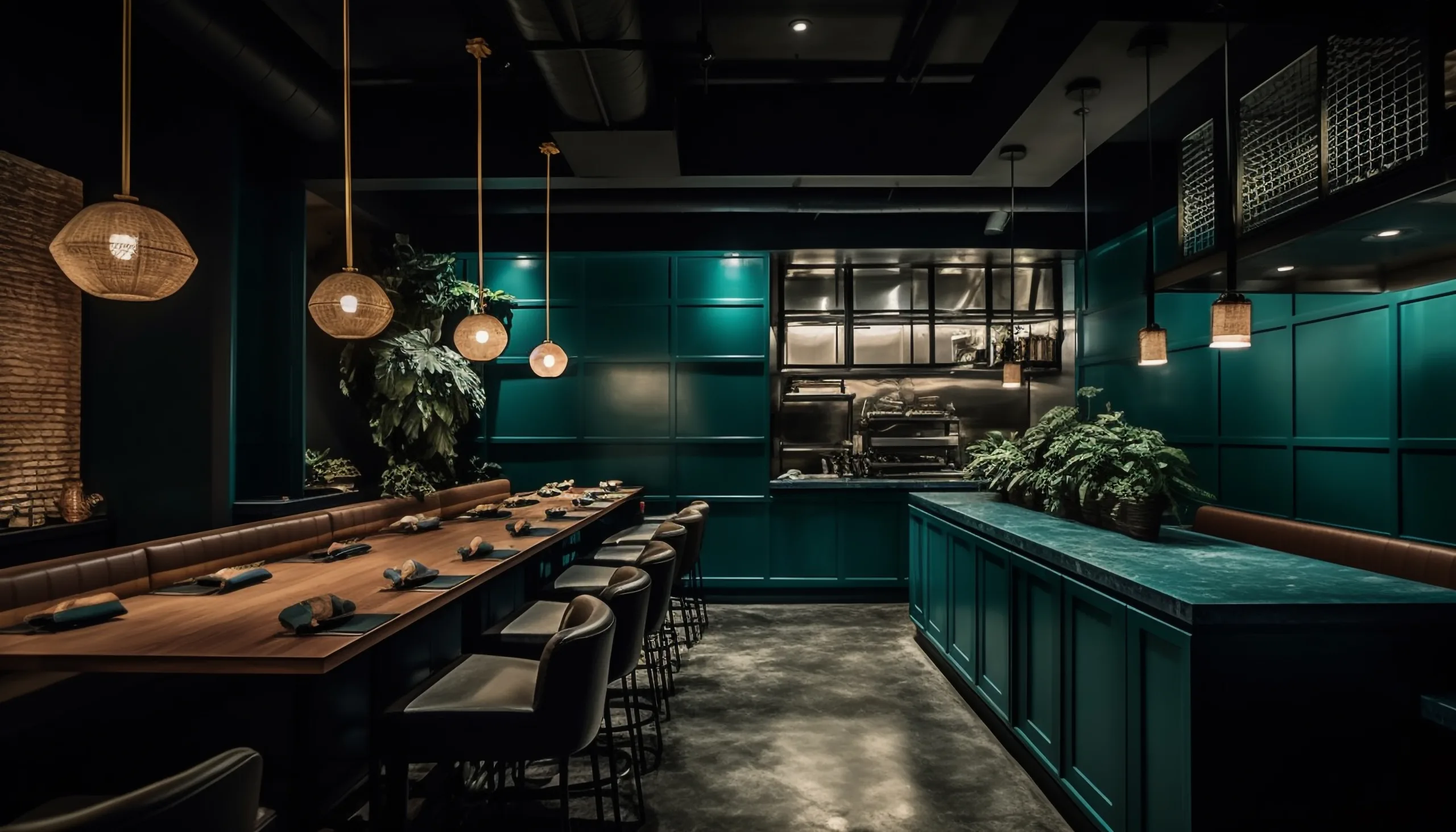
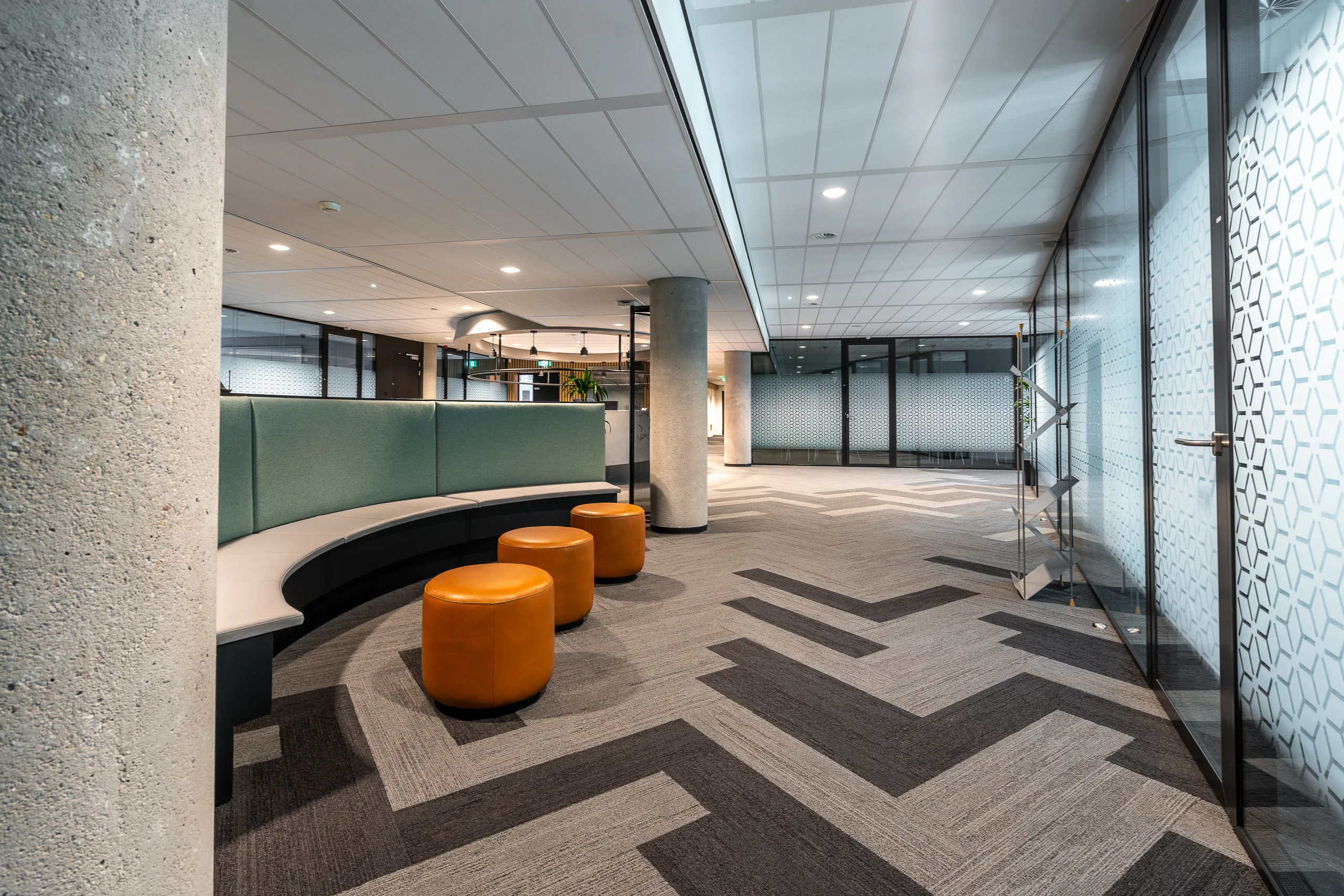
The biggest shift is that wellness design is not only about buying a sauna or installing an expensive bathtub. It is about designing a space that helps your body and mind understand one simple message: you are allowed to slow down here. That can happen through warm lighting, clean air, soft textures, quiet acoustics, a dedicated yoga mat, a beautiful shower, or a small corner where your phone does not get invited. A good home spa does not need to shout luxury. In fact, the best ones often whisper it through details, rhythm, and atmosphere. Think of it like turning down the volume of your house.
The global interest in wellness has moved far beyond fitness classes and skincare products. It now touches architecture, interior design, real estate, hospitality, and even how people judge the value of a home. The Global Wellness Institute has reported strong growth across the wellness economy, and wellness real estate has become one of the fastest-growing sectors within that larger picture. That matters because it shows a bigger lifestyle shift: people are no longer asking only, “Does this home look beautiful?” They are also asking, “Does this home help me feel better?” That is a completely different design question, and honestly, a much more human one.
This is why home wellness room ideas are becoming so popular. The modern homeowner is not only looking for marble counters and statement lighting. They want spaces that help with stress management, better sleep, healthier routines, and more intentional downtime. A bathroom can become a spa-inspired escape. A spare bedroom can become a meditation room. A balcony can become a morning stretching zone. Even a tiny corner can become a self-care station if it is planned properly. The magic is not always in the square footage. The magic is in the purpose.
The Difference Between a Home Spa and a Wellness Room
A home spa usually focuses on sensory relaxation, beauty, bathing, grooming, and water-based rituals. It often includes features such as a spa bathroom, steam shower, soaking tub, rainfall shower, soft towels, candles, natural stone, warm lighting, aromatherapy, and calming storage. It is the place where you wash off the day, both literally and mentally. A home spa is usually connected to the bathroom, ensuite, or dressing area, although it can also include a sauna or treatment space if the home allows for it. Its mood is quiet, polished, and restorative.
A wellness room, on the other hand, can be broader. It might be designed for meditation, yoga, stretching, breathwork, journaling, sound healing, massage, recovery, skincare, reading, or even digital detox. It does not always need plumbing. It does not even need to look like a spa. A wellness room can be earthy and minimal, bright and energizing, dark and cocoon-like, or soft and feminine depending on the person using it. The key difference is that a home spa is often ritual-based, while a wellness room is habit-based. One helps you unwind; the other helps you build a lifestyle.
Start With the Purpose of Your Wellness Space
Before choosing tiles, candles, mirrors, plants, or mood lighting, ask one very practical question: what do you want this room to do for you? This sounds simple, but it is where many wellness room designs go wrong. People start with Pinterest and end up with a beautiful room that does not actually fit their daily routine. A sauna looks impressive, but if you never use heat therapy, it becomes an expensive wooden cupboard with better lighting. A yoga room sounds peaceful, but if your real need is evening skincare and quiet reading, the layout should serve that instead.
Design works best when it follows behavior. If your stress shows up at night, design for evening wind-down. If your mornings feel rushed, design for a calming morning ritual. If your body feels tight after work, design for stretching, foam rolling, and recovery. If you want a space that helps you feel polished and confident, a beauty and grooming-focused home spa may make more sense than a meditation room. A wellness room is not a showroom. It is a tool. And like any good tool, it should fit your hand, your schedule, and your real life.
A Relaxation-First Layout for Daily Reset
A relaxation-first wellness room should feel like a pause button. The layout needs to reduce visual noise, soften the senses, and make it easy to transition from “busy mode” to “rest mode.” Start with a comfortable seat, floor cushion, daybed, or lounge chair. Add a side table for tea, a book, a diffuser, or a candle. Use closed storage instead of open shelves where possible, because visible clutter has a sneaky way of keeping the brain alert. The room should have enough emptiness to breathe. Negative space is not wasted space here; it is part of the treatment.
Color matters in this kind of room, but not in a dramatic way. Warm neutrals, muted greens, soft taupes, clay tones, off-whites, and gentle greys usually work better than sharp whites or loud accent colors. Add texture through linen curtains, wool rugs, boucle seating, timber, limewash walls, or woven baskets. The goal is to make the room feel layered without making it busy. A relaxation room should not look like a furniture catalogue trying too hard. It should feel personal, warm, and a little bit protected from the outside world.
A Fitness and Recovery Layout for Active Lifestyles
For people who train regularly, a wellness room at home can become a recovery zone rather than a traditional gym. This is a smart idea because recovery is often the missing half of fitness. You can create a space for stretching, foam rolling, mobility work, massage tools, resistance bands, breathwork, and cool-down routines. If space allows, add a compact reformer, yoga mat, wall bars, or a small bench. Keep the center of the room open so movement feels natural. A cluttered fitness space becomes annoying fast, and when a room is annoying, people stop using it. Funny how design quietly controls discipline.
For a higher-end setup, you can add an infrared sauna, cold plunge, red light panel, compression therapy chair, or massage bed. But even without these features, the room can still feel serious and intentional. Use durable flooring, good ventilation, mirrors where helpful, and storage that hides equipment when not in use. The visual mood can be calmer than a commercial gym. Think “private recovery studio” rather than “garage full of metal things.” You want the room to say, “Take care of your body,” not “Punish yourself for eating dessert.”
A Beauty, Grooming, and Self-Care Layout
A beauty-focused home spa can be one of the most useful wellness spaces because it connects directly to daily routines. This type of design is perfect for skincare, haircare, grooming, makeup, massage, facial tools, and slow evening rituals. Start with lighting because bad lighting can ruin the whole experience. You need flattering, even illumination around the mirror, ideally with warm but accurate light. Add proper drawers for products, hidden outlets for devices, and a comfortable stool or chair if routines take time. Nobody feels luxurious balancing a serum bottle on the edge of a sink like a tiny glass daredevil.
The best beauty wellness rooms also include practical surfaces that are easy to clean. Stone, quartz, porcelain, sealed wood, and microcement can all work depending on the style and budget. Add a tray for daily products, but avoid turning every product into decor. Too many visible bottles quickly make the space feel like a pharmacy shelf. Keep the most beautiful items out and store the rest properly. This balance gives the room that calm boutique-hotel feeling without sacrificing function.
Spa Bathroom Design Ideas That Feel Like a Private Retreat
The bathroom is the most natural place to create a home spa design because water already has a calming effect. A well-designed spa bathroom can turn ordinary routines into rituals. Instead of rushing through a shower, you step into a space that feels warm, quiet, and intentional. This does not mean every bathroom needs marble walls and a bathtub big enough to host a small meeting. It means the layout, materials, lighting, and storage should work together to create ease. The less friction you feel in the room, the more spa-like it becomes.
A spa bathroom also needs to be practical. This is where fantasy and reality need to shake hands. Beautiful bathrooms still need drainage, ventilation, slip-resistant flooring, storage, cleaning access, and moisture-resistant materials. The design should feel calm, but it should also survive daily use. The sweet spot is when a bathroom feels luxurious without becoming fragile. You want the room to look beautiful on a quiet Sunday morning and still work perfectly on a chaotic weekday when everyone is late.
Walk-In Showers, Rainfall Fixtures, and Wet Rooms
A walk-in shower is one of the strongest spa bathroom ideas because it visually opens the room and makes the bathing experience feel more generous. Frameless glass, large-format tiles, recessed niches, concealed drains, and rainfall showerheads all help create that clean spa look. A handheld shower is also worth adding because it makes cleaning, rinsing, and everyday use much easier. Luxury is not only how something looks; it is how little it irritates you over time. That is why the best spa bathrooms combine beauty with practical details you only notice when they are missing.
Wet rooms are also gaining attention because they create a seamless bathing zone where the shower and tub can sit within one waterproofed area. This can make a bathroom feel bigger, more accessible, and more modern. However, wet rooms need proper planning. The slope, drainage, waterproofing, ventilation, and tile choice must be handled carefully. Done badly, a wet room becomes less “private spa” and more “why is everything damp?” Done well, it feels elegant, open, and deeply relaxing. It is one of those design moves where technical execution matters as much as visual taste.
Soaking Tubs, Steam, and Water Features
A soaking tub is the classic symbol of home spa design, but it should only be added if you will actually use it. For some people, a deep bath is the ultimate reset. For others, it becomes an oversized towel holder. If you are a bath person, choose a tub based on comfort first and looks second. Sit in it before buying if possible. Check the slope, depth, back support, and edge height. A beautiful tub that feels uncomfortable is basically sculpture with plumbing. Pretty, yes. Useful, not so much.
Steam showers and water features can also elevate a spa bathroom, especially when paired with good ventilation and easy-clean surfaces. Steam can make the shower feel more immersive, while a small water wall or fountain can add gentle sound and movement. However, these features need maintenance. If your lifestyle is already busy, choose low-maintenance luxury over complicated luxury. A rainfall shower, heated towel rail, soft lighting, and excellent materials may give you more daily happiness than a feature you need to service constantly. Good design respects your future patience.
Natural Materials, Soft Colors, and Tactile Finishes
Natural materials are at the heart of many spa-inspired bathroom designs because they help the room feel grounded. Stone, timber-look porcelain, fluted wood, clay-toned tiles, limewash finishes, pebble textures, bamboo accessories, and woven baskets can all create warmth. The trick is to avoid making the bathroom feel too themed. You do not need to turn your ensuite into a tropical resort lobby. A few natural textures, used with restraint, can be more powerful than covering every surface in “wellness aesthetic” clichés.
Soft colors also help create a calming mood. Warm whites, sand, beige, stone grey, sage, mushroom, oatmeal, and muted terracotta can work beautifully. For a richer look, deep green, charcoal, bronze, or warm brown can create a cocoon effect, especially in powder rooms or evening-use bathrooms. Texture is what keeps neutral rooms from becoming boring. Matte tiles, brushed metal, ribbed glass, soft towels, and stone basins add quiet interest. The goal is not bland minimalism. The goal is calm with character.
Wellness Room Ideas Beyond the Bathroom
Not every wellness space needs water. Some of the best wellness room design ideas happen in spare bedrooms, converted studies, garden rooms, balconies, loft spaces, or even underused corners of a living room. The secret is to give the space a clear identity. When a room has no purpose, it slowly becomes storage. When it has a purpose, it starts shaping habits. That is why even a small wellness corner can be powerful if it is designed with intention and used consistently.
Wellness rooms beyond the bathroom are especially useful because they can support mental and emotional routines. A bathroom helps you refresh your body, but a quiet room can help you reset your nervous system. This is where lighting, sound, scent, air, and texture become more important than expensive features. A meditation room with a clean floor, soft rug, warm lamp, and good acoustics can feel more restorative than a high-end room filled with equipment nobody touches. Wellness design is not about collecting wellness objects. It is about creating a space that makes healthy behavior easier.
Meditation, Breathwork, and Quiet Rooms
A meditation room should be simple, but not empty in a cold way. It needs enough softness to feel welcoming and enough restraint to avoid distraction. Start with a comfortable floor surface, such as a soft rug, tatami-style mat, cork flooring, or layered cushions. Add dimmable lighting, blackout curtains or sheer curtains depending on the mood, and a small surface for a candle, incense, journal, or singing bowl. If you use guided meditation, include a discreet speaker rather than leaving your phone in the room. Phones are tiny chaos rectangles, and they are very good at ruining peaceful intentions.
Acoustic comfort is important in a quiet room. If outside noise is an issue, use heavy curtains, rugs, upholstered seating, acoustic panels, fabric wall hangings, or bookshelves to absorb sound. You do not need the room to be completely silent, but you do need it to feel protected. Even visual boundaries help. A screen, curtain, or change in flooring can make a corner feel separate from the rest of the home. The mind loves signals. When you repeat the same ritual in the same space, the room starts doing part of the calming work for you.
Yoga, Pilates, and Stretching Corners
A yoga or Pilates wellness room should be open, breathable, and uncluttered. You need enough floor space to move without hitting furniture, which sounds obvious until you try a side stretch and meet the sharp corner of a coffee table. Use storage for mats, blocks, straps, balls, and towels so the room feels calm when not in use. Mirrors can help with alignment, but they are not always necessary. Some people feel more relaxed without mirrors because the practice becomes less about appearance and more about sensation.
Flooring matters here. Hardwood, cork, bamboo, rubber, or high-quality vinyl can work depending on your needs. Avoid surfaces that are too slippery or too hard for floor exercises. Add natural light if possible, but include privacy treatments so you feel comfortable moving freely. A plant, soft lamp, and simple artwork can make the space feel inviting. The goal is to remove excuses. When the mat is easy to roll out, the room is comfortable, and the equipment is within reach, movement becomes much more likely. Design cannot do the stretching for you, sadly, but it can make starting feel easier.
Sauna, Cold Plunge, and Recovery Zones
A sauna or cold plunge zone brings a more performance-focused approach to home wellness. These features are increasingly popular in luxury homes, garden rooms, and even compact outdoor setups. A sauna can be integrated into a bathroom, basement, gym area, or dedicated wellness suite. A cold plunge might sit outdoors, on a terrace, or in a wet zone with proper drainage. The important thing is to plan the technical requirements before falling in love with the look. Electrical load, ventilation, waterproofing, drainage, access, safety, and maintenance all matter.
A recovery zone should also include transition space. You need somewhere for towels, robes, water, seating, and cooling down. This is the part many people forget. The sauna may be the hero, but the surrounding design creates the experience. Use non-slip flooring, hooks, benches, warm lighting, and easy-clean materials. If the space feels awkward before and after the treatment, it will not feel luxurious. A good recovery room should have a rhythm: enter, prepare, heat or cool, rest, hydrate, and return to the day feeling slightly more human than before.
Sensory Design Elements That Make the Room Work
A wellness room succeeds or fails through the senses. You can buy beautiful furniture and still create a room that feels wrong if the lighting is harsh, the air is stale, the sound echoes, or the temperature feels uncomfortable. This is why sensory interior design is so important for home spa spaces. The body responds to the room before the mind explains it. You walk in and instantly feel either tense or relieved. That first feeling usually comes from light, sound, scent, air, and texture working together.
Think of your wellness room as a playlist. One bad song can ruin the mood. In design terms, that bad song might be a bright ceiling light, a noisy extractor fan, a chemical smell from materials, cold flooring, or cluttered shelves. The solution is not always expensive. It is about tuning the room. Layer the lighting. Soften the sound. Improve airflow. Choose materials that feel good to touch. Add scent carefully. Keep the temperature comfortable. When all these elements align, the room starts to feel restorative before you even use it.
Lighting for Mood, Sleep, and Relaxation
Lighting is one of the most important home spa design ideas because it controls mood instantly. For relaxation spaces, avoid relying on one harsh overhead light. Use layers instead: wall lights, floor lamps, concealed LED strips, mirror lighting, candles, lanterns, or dimmable ceiling lights. Warm lighting in the evening can make a room feel softer and more restful, while brighter natural light in the morning can support energy and alertness. Circadian lighting design is based on this idea of aligning light exposure with the body’s natural daily rhythm.
In a spa bathroom, use task lighting around mirrors, soft ambient lighting for bathing, and low-level lighting for night use. In a meditation or yoga room, dimmable lamps and indirect lighting are usually better than bright downlights. Smart lighting can be helpful if it lets you shift from energizing morning light to warm evening light without thinking too much about it. The key is control. A wellness room should adapt to you, not force you into one mood all day. Lighting is the difference between “public restroom energy” and “private retreat energy,” and nobody wants the first one at home.
Sound, Scent, Air Quality, and Temperature
Sound design is often ignored, but it can completely change how a room feels. Hard surfaces create echo, while soft materials absorb sound. Use rugs, curtains, upholstered furniture, cork, acoustic panels, or textured wall coverings to reduce harsh noise. If outside noise is unavoidable, consider white noise, nature sounds, soft music, or water sounds. The aim is not silence for everyone. Some people relax with quiet. Others relax with gentle sound. What matters is that the room gives you control over what you hear.
Scent should be used with restraint. Essential oils, candles, diffusers, fresh eucalyptus, cedar, lavender, or citrus can all work, but too much scent can feel overwhelming. Air quality matters even more. Choose low-VOC paints and finishes where possible, ventilate properly, avoid moisture buildup, and consider filtration if the room is enclosed. Temperature is the final layer. Heated floors, towel warmers, ceiling fans, good ventilation, and breathable fabrics all help. Comfort is not one thing. It is a stack of small decisions that tell the body, “You can relax now.”
Small Home Spa Ideas for Apartments and Compact Homes
You do not need a mansion, spare wing, or dramatic glass-walled wellness pavilion to create a home spa. Small homes can be incredibly good at wellness design because they force clarity. When space is limited, every item must earn its place. A compact bathroom can feel spa-like with better lighting, a rainfall shower, hidden storage, warm towels, a small stool, matching dispensers, and natural textures. A bedroom corner can become a wellness nook with a floor cushion, lamp, plant, and basket for journals or meditation tools. A balcony can become a morning tea and stretching space with outdoor cushions and privacy screening.
The trick is to design around rituals rather than rooms. What is the ritual you want to create? A ten-minute evening skincare routine? A Sunday bath? Morning breathwork? Stretching before bed? Once you know the ritual, you can create the smallest possible setting for it. This is where compact wellness design becomes clever. It is not about shrinking a luxury spa into a tiny apartment. It is about creating one repeatable moment that improves your day. That is much more realistic, and honestly, much more useful.
How to Create a Wellness Nook Without a Spare Room
A wellness nook can live almost anywhere: beside a window, in a bedroom corner, along a hallway, inside a walk-in closet, on a balcony, or even next to a bathtub. Start with a visual boundary. This could be a rug, screen, curtain, wall color, shelving unit, or floor cushion. The boundary tells your brain, “This area has a different purpose.” Then add only what supports the ritual. For meditation, you may need a cushion, candle, and small speaker. For skincare, you may need a mirror, tray, stool, and drawer. For stretching, you may need a mat, blocks, and a basket.
Keep the nook easy to reset. If it takes fifteen minutes to prepare, you will stop using it. The best small wellness spaces are frictionless. They are ready when you are. Choose objects that look good enough to stay visible or storage that makes cleanup effortless. Use soft lighting to make the nook feel intentional at night. Add one sensory cue, such as a scent, sound, or texture, that you use only in that space. Over time, that cue becomes associated with calm. Small space, big psychological trick.
Budget, Materials, and Practical Planning
A home spa can be budget-friendly, mid-range, or fully luxury depending on how much renovation you want to do. The smartest approach is to separate atmosphere from infrastructure. Atmosphere includes lighting, towels, scent, paint, storage, plants, art, and accessories. Infrastructure includes plumbing, waterproofing, electrical work, ventilation, flooring, heating, built-ins, sauna installation, and layout changes. Atmosphere can often be improved quickly and affordably. Infrastructure needs planning, budget, and professional help. Mixing these two categories helps you decide what can happen now and what should be phased later.
Materials should be chosen for both beauty and maintenance. Natural stone looks stunning, but it may require sealing and careful cleaning. Porcelain can imitate stone while being easier to maintain. Timber adds warmth, but wet areas need moisture-resistant choices or timber-look alternatives. Microcement creates a seamless spa feel, but installation quality matters. Matte finishes feel soft and modern, but some show marks more easily. Every material has a personality. Choose the one you can live with, not only the one you love in a photo.
What to Spend On and Where to Save
Spend on the things that affect daily comfort and long-term performance. In a spa bathroom, that usually means waterproofing, ventilation, quality fixtures, good lighting, durable flooring, and well-planned storage. These are the bones of the space. If the bones are wrong, no candle can save it. In a wellness room, spend on flooring, acoustic comfort, lighting control, air quality, and the main feature you will use most, whether that is a massage chair, yoga setup, sauna, or comfortable lounge seat. The best investment is the feature that supports your real routine.
Save on decorative items that can be upgraded later. Towels, trays, candles, baskets, artwork, small stools, plants, and accessories can all create a spa mood without draining the budget. You can also save by choosing porcelain instead of natural stone, ready-made vanities instead of custom joinery, or paint and lighting upgrades instead of full renovation. A beautiful home spa does not need to be built all at once. Start with the ritual, improve the mood, then upgrade the permanent features when the budget makes sense. Wellness should reduce stress, not create a financial panic attack with nicer tiles.
| Design Element |
Best Investment |
Budget-Friendly Alternative |
| Lighting |
Dimmable layered lighting and mirror lights |
Warm lamps, LED strips, plug-in wall lights |
| Bathroom Surfaces |
Porcelain, sealed stone, microcement |
Ceramic tiles, waterproof paint accents |
| Relaxation Area |
Quality lounge chair or daybed |
Floor cushions, soft rug, throw blanket |
| Air Quality |
Ventilation upgrade and filtration |
Window ventilation, plants, low-VOC products |
| Spa Features |
Steam shower, sauna, soaking tub |
Rainfall showerhead, bath tray, towel warmer |
| Storage |
Custom built-ins and recessed niches |
Baskets, trays, slim cabinets, drawer organizers |