Before colours, furniture, feature walls, or marble counters, the first conversation should be compliance. In Dubai, dental clinics generally need to follow the relevant health authority requirements, including DHA requirements unless the facility sits under another jurisdiction such as Dubai Healthcare City. The exact pathway depends on the clinic’s location, business activity, licensing structure, services, and whether it is a single dental clinic, multi-specialty clinic, or larger medical centre.
This is where many fit out projects lose time. A layout may look impressive on a moodboard, but if the room relationships, circulation, sterilization zones, handwash points, accessibility, or technical rooms are not properly considered, the design may need to be revised. For dental projects, compliance is not a final stamp at the end. It is the skeleton of the entire design.
Know Which Authority Applies to Your Clinic
The first checklist item is to confirm the authority and approval route. A clinic in mainland Dubai will usually follow DHA processes, while a clinic in Dubai Healthcare City follows DHCA requirements. Clinics in other emirates may fall under different regulators such as DOH or MOHAP. This matters because each authority has its own approval steps, documentation expectations, inspection approach, and technical requirements.
For a dental clinic, the operator should clarify the services early. General dentistry, orthodontics, cosmetic dentistry, dental imaging, paediatric dentistry, oral surgery, sedation, and laboratory work can all affect the space plan. Even a small decision, such as whether imaging is included inside the clinic or referred externally, can change the required rooms, shielding coordination, equipment layout, and patient flow.
Build the Design Around Approval, Not After It
A compliance-ready clinic design is built from the inside out. That means the designer starts by understanding the operational policy, expected number of dentists, patient volume, treatment types, staffing, equipment, infection-control workflow, and storage needs. Only then should the visual concept begin. Otherwise, the project becomes like decorating a car before checking whether the engine fits.
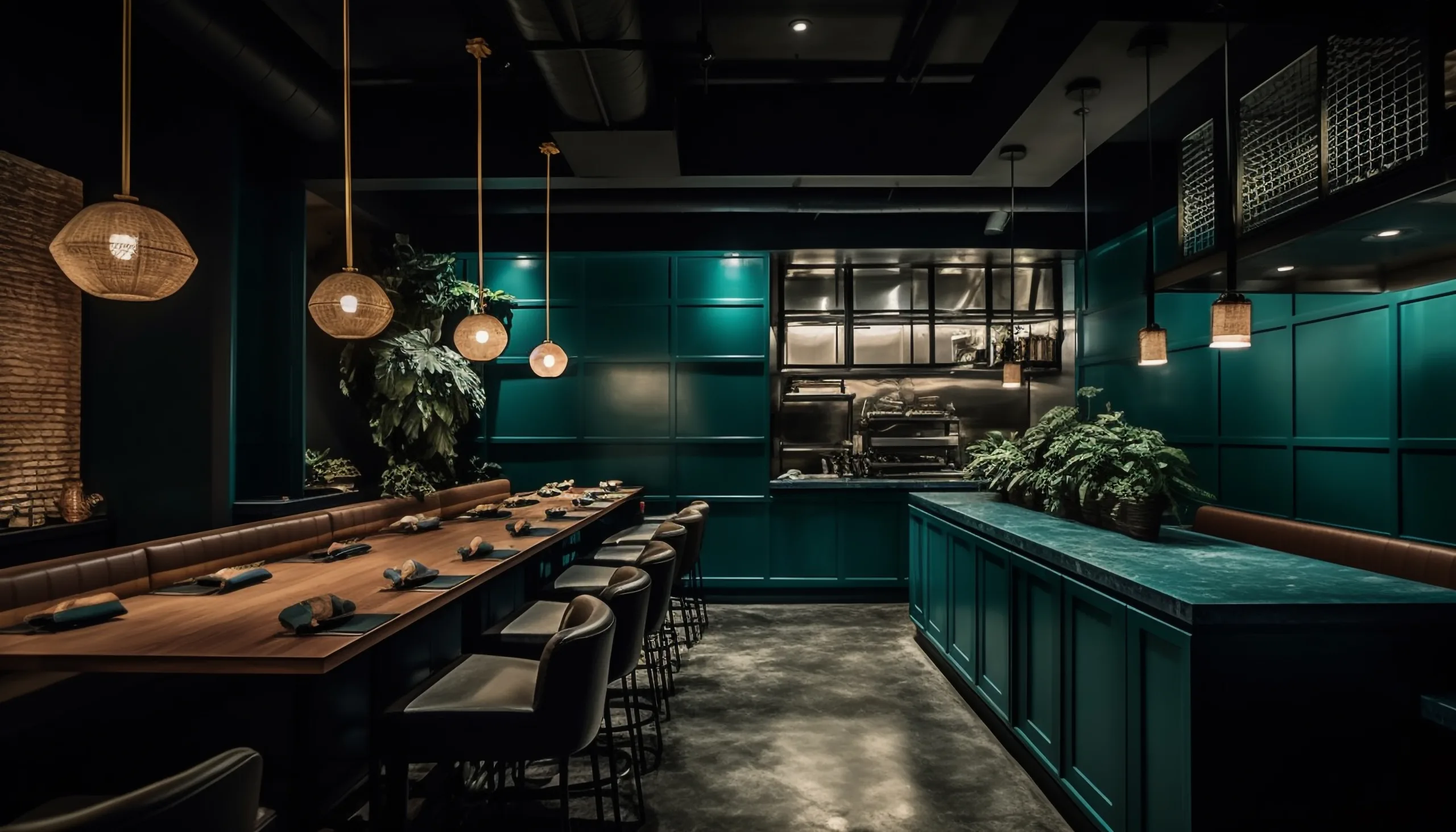
This does not mean the design has to feel boring. The best dental interiors in Dubai combine authority-conscious planning with warm, refined interiors. Compliance gives the clinic structure, while design gives it trust, comfort, and identity. When these two sides work together, the result is a clinic that feels premium without fighting the practical realities of healthcare.
Dental Practice Fit Out Checklist
A strong dental practice fit out should be planned around clear zones. Each area has a job to do, and every zone should connect logically to the next. Patients should move easily from reception to waiting to treatment. Staff should move efficiently between treatment rooms, sterilization, storage, and support spaces. Clean and dirty workflows should never feel confused.
| Clinic Zone |
Main Purpose |
Design Priority |
| Reception |
Patient arrival, registration, payment, first impression |
Visibility, privacy, brand trust |
| Waiting Area |
Patient comfort before treatment |
Calm atmosphere, seating, accessibility |
| Treatment Rooms |
Dental procedures and consultations |
Equipment planning, hygiene, movement |
| Sterilization |
Cleaning, decontamination, packing, sterilising |
Clean and dirty workflow separation |
| Imaging |
Dental X-ray or OPG if included |
Shielding, equipment coordination |
| Storage |
Consumables, sterile stock, records, supplies |
Easy access, controlled organization |
| Staff Areas |
Team comfort and admin work |
Practicality, privacy, workflow support |
Reception and Waiting Area
The reception is more than a desk. It is the clinic’s first trust signal. Patients often arrive with dental anxiety, payment questions, insurance concerns, or uncertainty about the procedure. A reception that feels clear, calm, and professionally managed immediately reduces friction. The desk should be visible from the entrance, but it should also protect patient privacy during registration and payment conversations.
The waiting area should be planned for comfort, accessibility, and observation. Seating should support different patient types, including families, elderly patients, children, and people with mobility needs. If the clinic treats children, a small play or engagement area can help, but it should not create noise that disrupts treatment rooms. Good clinic waiting design is quiet confidence, not visual chaos.
Dental Surgery and Treatment Rooms
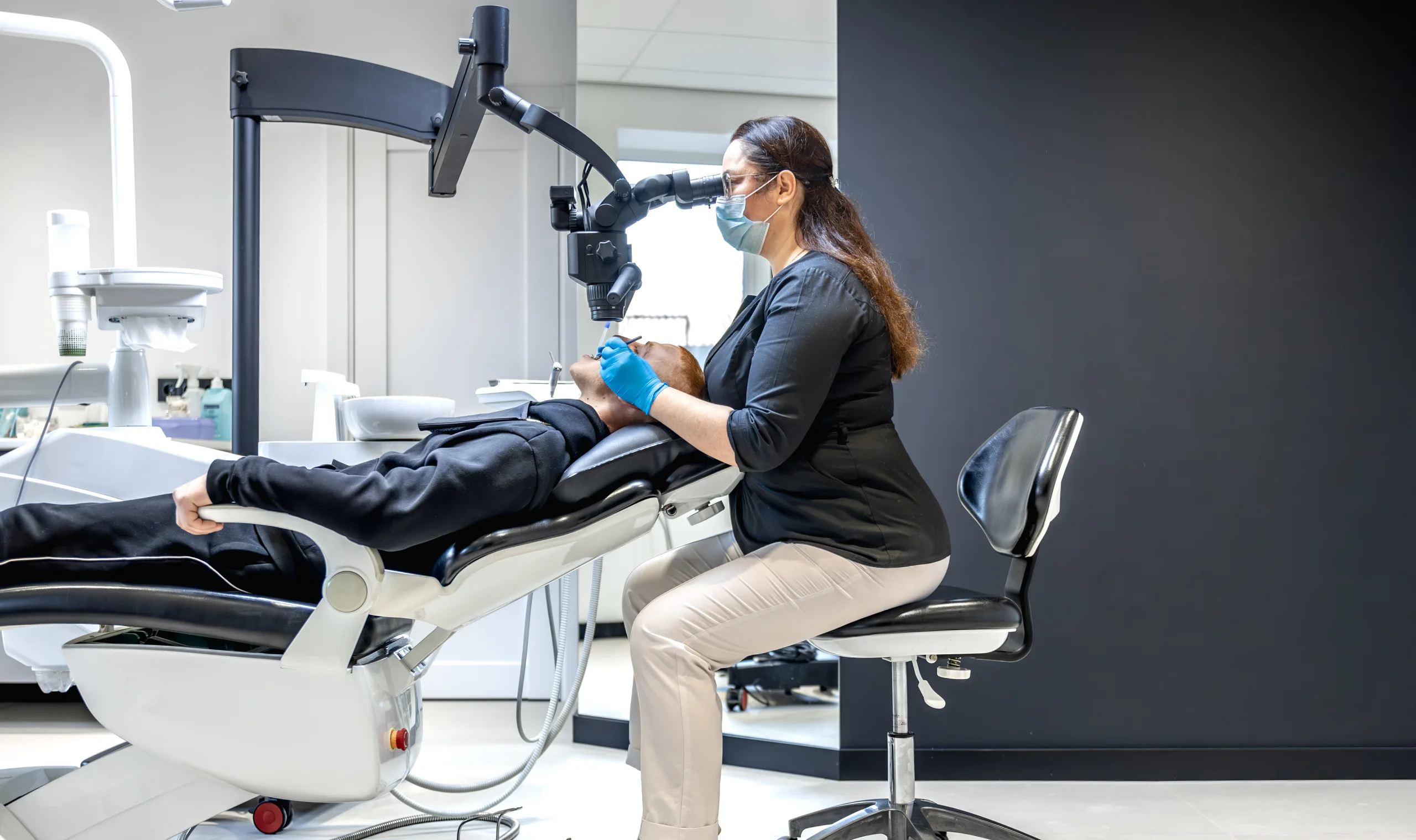
Treatment rooms are the heart of the clinic. Every detail matters here, from the dental chair position to dentist and assistant movement, cabinetry, handwash access, equipment clearances, lighting, suction, services, and patient privacy. The room should allow clinical work without clutter, because clutter is not only visually unpleasant, it can also make cleaning and workflow harder.
A well-designed treatment room also considers the patient’s view. What does the patient see when they lie back? A blank ceiling, a harsh light, a calming surface, or a screen? Small details can change the emotional experience of treatment. Dental spaces are technical, but they are also deeply human. Patients remember how the space made them feel.
Sterilization and Clean-Up Areas
Sterilization is one of the most important parts of a dental clinic fit out, yet it is often underappreciated in early design discussions. Dental instruments need a clear journey from used to cleaned, disinfected, packed, sterilised, stored, and reused. The design should support separation between dirty and clean workflows, with enough space for equipment, counters, sinks, storage, and staff movement.
For a clinic owner, this is not the place to squeeze space casually. If sterilization is poorly planned, staff efficiency suffers and infection-control risk increases. A beautiful reception cannot compensate for a weak back-of-house workflow. In a proper clinic fit out, the patient may never notice the sterilization room, but the clinic team will feel its impact every single day.
Imaging, Plant, and Technical Rooms
If the dental clinic includes imaging, the layout must account for equipment requirements, safety, shielding coordination, authority approvals, and patient movement. Dental imaging should be easy to access from treatment areas, but it should not interrupt the privacy or hygiene of clinical zones. This is especially important for clinics that want a smooth patient journey for consultations, scans, and treatment planning.
Plant and technical spaces also need early attention. Dental clinics may require compressors, suction systems, water-line coordination, drainage, HVAC planning, electrical loads, data points, and equipment-specific services. These technical details are rarely glamorous, but they decide whether the clinic works smoothly after handover. A good medical centre fitout hides complexity without ignoring it.
Staff, Storage, and Back-of-House Areas
A clinic is not only designed for patients. It must also support the people who run it. Staff need practical areas for changing, breaks, admin work, records, supplies, and daily coordination. When these areas are treated as an afterthought, the clinic may look polished in photos but feel frustrating during real operations.
Storage should be planned with discipline. Consumables, sterile stock, cleaning supplies, medication, files, uniforms, and equipment all need their own logic. The goal is to reduce clutter in treatment rooms and keep daily work moving. In healthcare interiors, good storage is invisible design doing its job properly.
Materials That Support Infection Control
Material selection in dental clinic design is not only about style. It is about cleaning, durability, safety, acoustics, fire performance, impact resistance, and infection control. This is where design taste has to meet clinical discipline. A surface may look luxurious, but if it stains, absorbs moisture, chips easily, or has too many joints, it may not be suitable for clinical areas.
The best dental interiors use materials that feel refined while staying practical. This can include seamless or low-joint flooring, easy-clean wall finishes, durable counters, washable upholstery, moisture-resistant cabinetry, and non-slip surfaces in treatment areas. The aim is not to make the clinic look like a hospital. The aim is to make it easy to keep clean without making it feel cold.
Easy-Clean Flooring
Flooring in dental procedure rooms, clean-up areas, and sterilization areas should be selected with hygiene in mind. Continuous, impervious, and easy-clean flooring is often preferred because it reduces dirt traps and supports regular cleaning. Non-slip performance is also important, especially in treatment areas where water, gloves, movement, and equipment can increase safety risks.
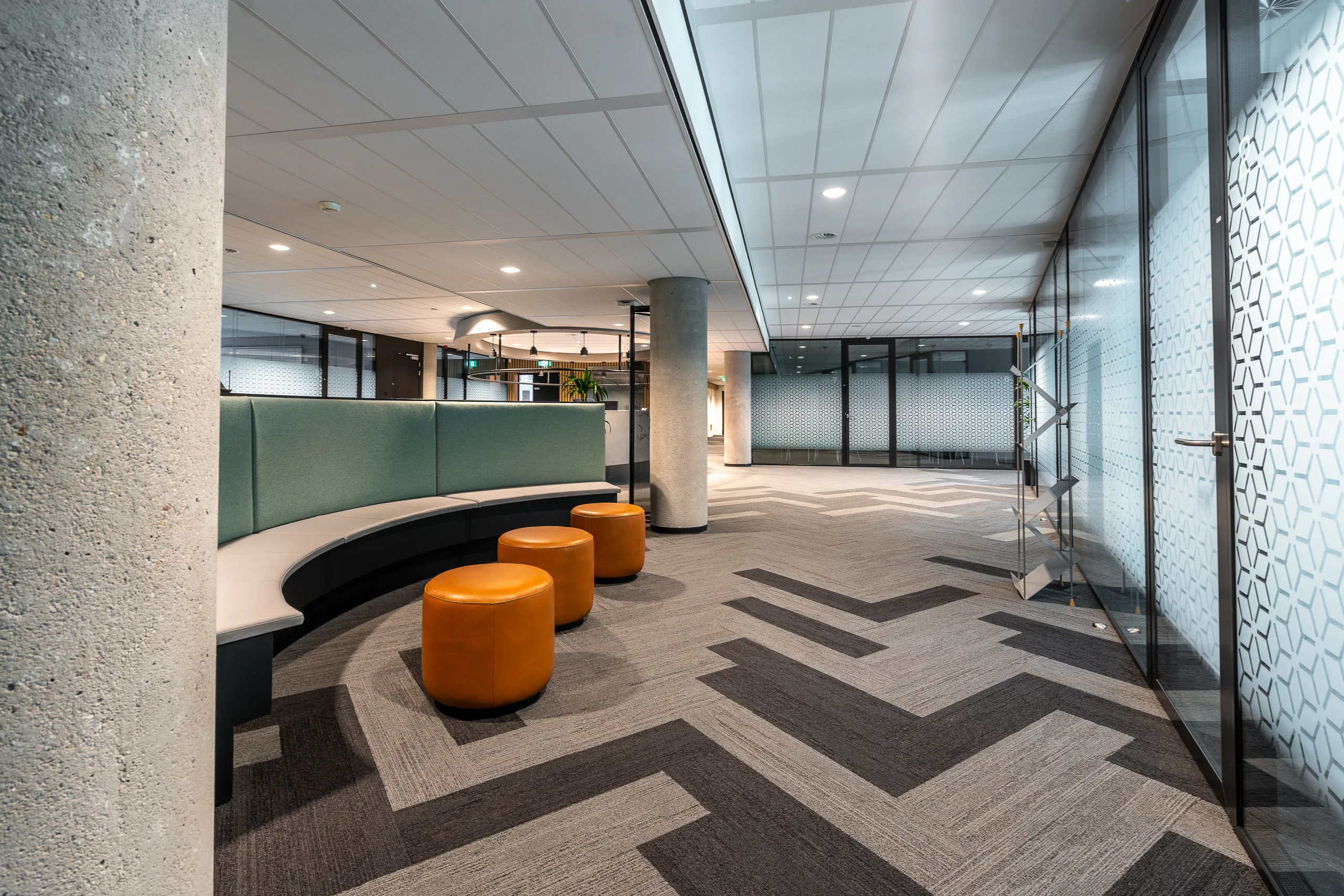
For public areas, flooring can feel warmer and more hospitality-inspired, but it still needs to be durable. Reception and corridors experience high footfall, trolley movement, and daily cleaning. A premium clinic should not choose flooring that looks tired after six months. The smart approach is to balance patient-facing elegance with commercial-grade performance.
Walls, Ceilings, and Joinery
Walls in clinical areas should be easy to clean and resistant to impact. Paint selection, wall protection, skirting details, corners, and junctions all matter. In treatment rooms, wall colours should not distort clinical observation, especially where tooth shade and skin tone assessment are important. That means the design palette should be calming, but not clinically misleading.
Joinery should also be designed for infection control. Open shelves may look nice in a showroom, but they can collect dust and create visual clutter in clinical areas. Closed storage, smooth surfaces, durable laminates, and well-planned counters are usually more practical. Every handle, edge, gap, and material junction should be chosen with cleaning in mind.
Lighting and Colour Accuracy
Lighting in a dental clinic has two jobs. It must support clinical accuracy and create patient comfort. Treatment rooms need carefully planned task lighting, ambient lighting, and colour conditions that do not interfere with dental work. Reception, corridors, and waiting areas can use softer lighting to create a calmer mood.
Colour psychology matters, but it should not become gimmicky. Soft neutrals, warm whites, muted greens, gentle blues, natural textures, and controlled contrast can make a clinic feel more relaxed. The trick is restraint. Too much “spa design” can make the clinic feel less clinical, while too much white can make it feel sterile and intimidating. The sweet spot is professional warmth.
Patient Experience Design for Dental Clinics
Patient experience design is where the clinic becomes more than a functional facility. People do not usually visit a dental clinic for fun. Many arrive nervous, rushed, in pain, or worried about cost. Interior design cannot remove every concern, but it can reduce emotional pressure through clarity, comfort, privacy, and calm.
A patient-friendly clinic answers questions before people ask them. Where do I check in? Where do I wait? Is this clinic clean? Will my conversation be private? Is the team organised? Is this brand trustworthy? Every design decision, from signage to seating to lighting, helps answer those questions.
Reducing Anxiety Through Interior Design
Dental anxiety is real, and the environment can either increase it or soften it. Harsh lighting, strong smells, cluttered counters, loud equipment noise, and confusing circulation can make patients feel tense before treatment even begins. A calmer design uses softer transitions, warm materials, clear wayfinding, acoustic control, and visual simplicity.
For paediatric dentistry, the approach may be more playful, but it should still feel controlled and premium. For cosmetic dentistry, the space may lean more boutique and aspirational. For family dentistry, comfort and clarity may matter most. The right design direction depends on the clinic’s audience, services, and brand promise.
Privacy, Sound, and Comfort
Privacy is a major part of healthcare design. Patients should not feel that their treatment, payment, or medical conversations are exposed. Reception counters, consultation rooms, treatment doors, glazing, and corridor planning should all support confidentiality. A beautiful clinic that ignores privacy can quickly feel uncomfortable.
Sound also matters. Dental equipment, suction, conversations, children in waiting areas, and corridor movement can affect the mood of the clinic. Acoustic materials, zoning, door placement, and separation between quiet and noisy areas can make the space feel more controlled. Comfort is not just about soft chairs. It is about designing an environment where patients and staff feel protected.
How TSDH Supports Dental Clinic Fit Out Projects
The Studio by DH approaches clinic interiors with a balance of function, compliance awareness, comfort, and brand identity. For dental clinics, this means the design process should not begin with decoration alone. It should begin with understanding the operator’s services, patient profile, equipment needs, workflow, authority requirements, and long-term business goals.
TSDH can support dental clinic and medical centre fitout projects through space planning, concept development, material palette selection, reception and patient journey design, treatment room interior coordination, lighting direction, joinery design, FF&E selection, and visual identity integration. For compliance-heavy areas, the design should be coordinated with the appointed technical consultants, contractors, MEP teams, and authority-facing professionals so the creative direction does not conflict with practical requirements.
This is where TSDH’s design value becomes clear. A clinic should not feel like a generic medical box with a logo on the wall. It should feel like a trusted healthcare brand with a clear personality. Whether the goal is a calm family dental clinic, a premium cosmetic dentistry practice, or a multi-specialty clinic with dental services, the design should make patients feel safe while helping the team work better.