Home Spa & Wellness Room Design Ideas
Insights and Ideas
June 29, 2026



One key trend is the move toward material-led design. Instead of dressing up interiors with excessive decor, designers are letting high-quality materials steal the show. If you use a gorgeous slab of natural stone or a wall of reclaimed wood with history in its grain, you don’t need much fussy decoration. Industrial design has always loved its materials raw and real, and in 2026 this love goes even deeper. Premium projects, especially in places like Dubai, are prioritizing timeless material palettes that age gracefully and cut down on the need for constant updates. It’s like choosing a classic leather jacket over a fast-fashion coat – longevity and character trump trendiness.
Another major trend can be summed up as “sustainability by default.” Environmental consciousness isn’t a special feature anymore; it’s expected. Designers and clients are seeking out eco-friendly options automatically – repurposed wood, low-energy lighting, locally sourced stone – not just because it’s good for the planet, but because these choices often result in better, more unique design. In fact, developers in the GCC are embedding sustainability into interior specs, choosing long-lasting, durable materials and local products to reduce carbon impact. The UAE already leads with hundreds of green-certified buildings, so this ethos is filtering inside with interiors that perform as beautifully as they look.
Technology is another force reshaping industrial interiors. We’re not talking about shiny, space-age gadgets on display, but rather seamless tech integration. Smart homes and offices are the norm in 2026, and industrial spaces are no exception. The trick is to incorporate tech in a way that doesn’t clash with the raw aesthetic. Designers are getting creative by installing things like voice-controlled smart lighting that’s tucked into vintage-style fixtures. Imagine telling your loft’s brick wall, “Lights on, 50%,” and hidden LEDs behind a metal grate subtly illuminate the room – that’s the blend of old and new we’re aiming for.
Lastly, and perhaps most surprisingly, industrial design is getting comfortable and personal. Yes, you read that right! The stereotype was that industrial spaces felt cold or impersonal, but not anymore. In 2026, it’s about infusing warmth into the warehouse. Designers are adding cozy elements – think plush rugs, oversized sofas, and plenty of plants – to soften the hard edges of concrete and steel. There’s also a big emphasis on storytelling and uniqueness. Rather than a cookie-cutter catalog look, people want their spaces to reflect their journey. This might mean displaying Grandma’s antique trunk as a coffee table in your modern loft, or mixing in artwork that means something to you. Interiors are becoming a bit more eclectic, leaning into that “collected over time” feel rather than matchy-matchy perfection.
In short, the top industrial design trends of 2026 marry form and function, past and future. Spaces are designed to wow you and to work for you. Whether it’s a downtown LA coworking loft or a stylish cafe in Dubai, the best industrial interiors are those that feel authentically broken-in yet cutting-edge. They’re sustainable, smart, and just a little bit indulgent. Now, let’s break down how to achieve this look, starting with the foundation of any industrial space: the materials and finishes.
When you think industrial design, you probably imagine brick, concrete, metal, and wood. These are indeed the cornerstone materials, and in 2026 they’re being used more creatively than ever. The focus is on quality and authenticity – using materials in their natural state or making them look natural. Let’s dig into some of the must-have materials and finishes that give industrial interiors their signature vibe.
Concrete and brick are like the bread and butter of industrial style. They set that immediate loft ambiance. This year, designers are playing with these elements to strike different moods. Polished concrete floors are hugely popular – they’re sleek, durable, and have a subtle sheen that reflects light nicely. A polished concrete floor can instantly modernize a space while still keeping it grounded in that industrial look. Plus, concrete is great for warmer climates (hello Dubai!) because it stays cool underfoot. On the other hand, raw, unpolished concrete has its own appeal – a bit more rough, showing patina and imperfections. It can introduce texture and a sense of history to a room. Some spaces even use textured or stamped concrete to add pattern without using carpets or rugs.
Exposed brick walls continue to charm everyone – they add warmth (in color and in spirit) to industrial spaces. In 2026, it’s not uncommon to see designers deliberately leaving brick walls in their original state, showcasing all the nicks and color variations that tell a story. Each brick is slightly different and that’s the beauty of it. In some cases, bricks are given a light whitewash or painted matte black for a dramatic twist, but you never fully hide the texture – it peeks through to keep that character alive. There’s also a trend of using reclaimed brick or brick slips (thin brick veneers) to create accent walls that look like they’ve been there for a hundred years. Using reclaimed materials adds authenticity (and eco-friendliness) – each piece has a history, which is a big plus in industrial design.
Choosing between polished and raw finishes often comes down to the atmosphere you want. Polished concrete or sealed brick can give a slightly more upscale, clean look – imagine an art gallery or a chic hotel lobby in a converted factory. It says industrial can be elegant. Meanwhile, raw finishes – like an untreated concrete column or crumbling brick – bring grit and character, evoking old warehouses or artist lofts. Many designers mix both for contrast. For instance, you might see a polished concrete floor paired with a raw brick wall, each making the other stand out more. It’s a balancing act: too much raw can feel undercooked, but too much polished might lose the soul of the industrial vibe. The sweet spot is where you have a bit of shine here, a bit of roughness there, creating a dynamic, layered look.
If concrete and brick form the canvas of an industrial space, metal and wood are the brushstrokes that add detail and warmth. These two materials in combination are iconic for industrial interiors – one brings a cool toughness, the other brings organic warmth. In fact, mixing wood and metal is at the heart of the industrial chic look that’s so trendy now.
Metal elements can show up everywhere: structural beams, piping turned into a railing or shelf, steel window frames, or iron details on furniture. Blackened steel and iron are favorites – their dark, matte finish contrasts beautifully with lighter wood or raw concrete. Brushed nickel and aged brass are also making appearances, especially in fixtures like faucets, cabinet handles, and lighting, adding a touch of vintage glam. In modern industrial spaces, we even see metals in unexpected colors – for example, powder-coated metal in matte navy or army green for a pop of subtle color that still feels utilitarian.
Now, pair those metals with wood and something magical happens. Wood is the counterpoint that keeps an industrial space from feeling too cold. In 2026, reclaimed wood beams and panels are highly sought after. They bring in a sense of history – nail holes, weathered paint, and all – plus using reclaimed wood is eco-friendly, giving old materials new life. Whether it’s an old barn door repurposed as a conference table top or oak planks from a torn-down warehouse used for flooring, these pieces carry stories with them. Even new wood is often given a distressed or matte finish to fit in. Think walnut shelves with a live edge or pine boards with a grey wash to mimic sun-bleaching.
A great example of wood-meets-metal is in custom furniture or fixtures. Picture a long dining table with a thick reclaimed wood slab top and steel trestle legs – it’s rugged yet refined. Or consider open shelving made from black iron pipes (from the plumbing aisle, no less!) with wooden boards – it’s a DIY-friendly staple of industrial design and fits anywhere from kitchens to retail displays. The reason this combo is everywhere is because it encapsulates industrial design’s ethos: utilitarian, sturdy materials made beautiful by their use and simplicity.
In the GCC, we also see wood and metal used in culturally inspired ways. For instance, a decorative metal screen with an Arabic geometric pattern might be installed against a backlit wooden wall – marrying local design heritage with that industrial material palette. And since humidity and heat can be harsh on wood, designers here are careful to use properly treated or composite woods that can withstand the climate, or keep wood features indoors in climate-controlled areas.
In summary, the materials and finishes in 2026’s industrial interiors are all about authentic expression. You’ll see a lot of honest, raw surfaces, from concrete to brick, complemented by metals and woods that have a bit of wear or an interesting texture. Perfection is not the goal – character is. Every scratch in the wood or slight rust on metal can be a talking point. And by focusing on high-quality, timeless materials, designers ensure these spaces will still look amazing years from now (which is great for sustainability and value). Next up, let’s talk about color and texture – because even in a world of gray concrete and brown wood, 2026 has some fresh color ideas that might surprise you!
When you picture industrial interiors, you might default to shades of gray, black, and brown – and indeed, those neutral colors are the backbone of the style. But 2026 is infusing new life into the industrial color palette. Don’t worry, we’re not painting brick walls neon pink or anything (though never say never). It’s more about subtle evolution: introducing complementary hues and richer tones to create depth, and using textures to keep things interesting. Let’s explore how color and texture are working in industrial design now.
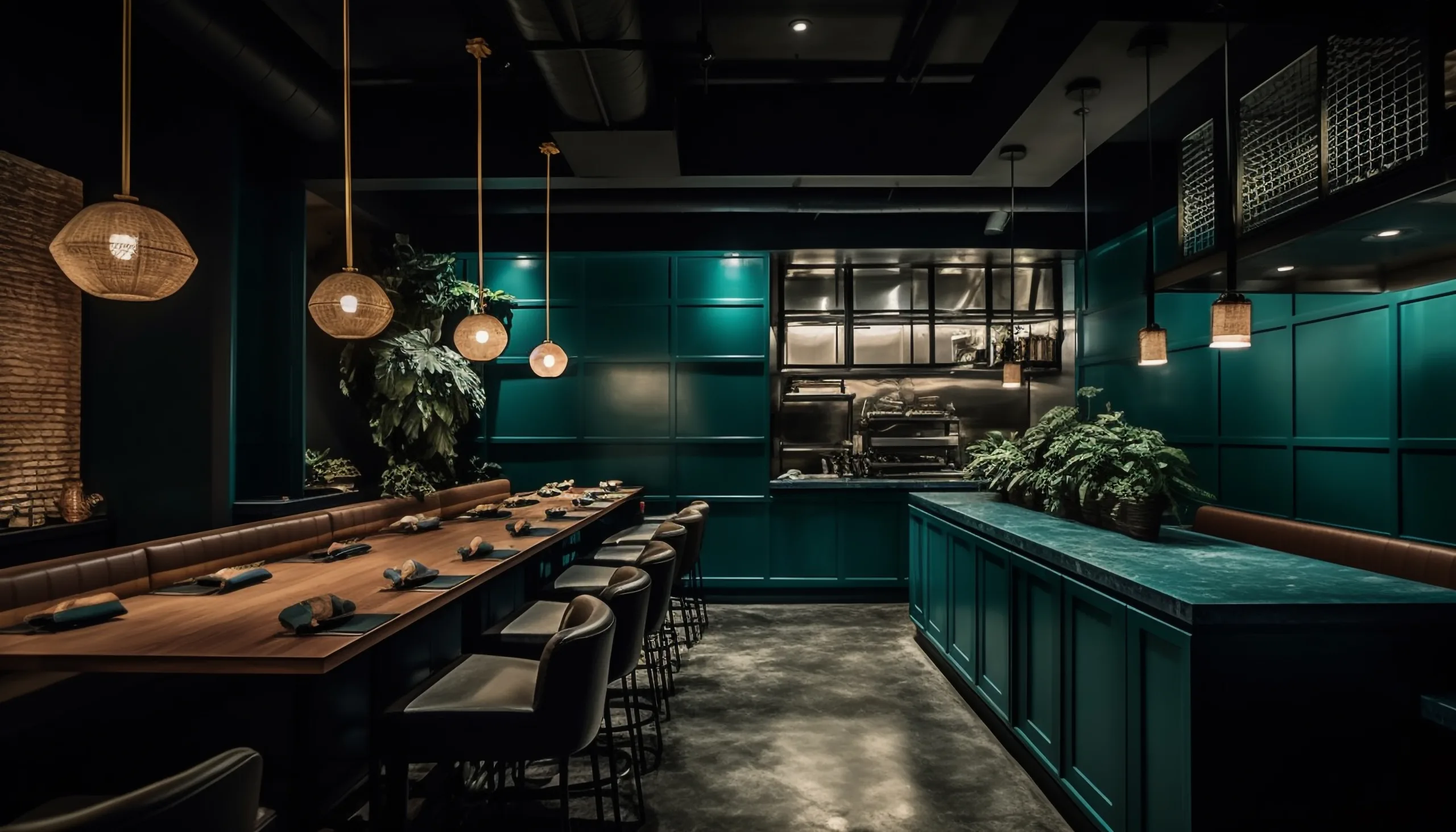
Neutral does not mean boring. The classic industrial colors – think concrete gray, steel black, and weathered brown – are very much still in play. They create that neutral canvas we need. However, designers are now layering in earthy and muted colors as accents. A big trend is using deep, desaturated tones that resonate with natural materials. For example, a muted olive or moss green can be an awesome accent against a backdrop of wood and metal, bringing a hint of nature inside. In fact, one Dubai restaurant’s industrial design featured a palette of gray, green, and black, which added a fresh but still sophisticated twist on the usual neutrals. Green, in a dusty or dark hue, pairs beautifully with industrial elements – consider metal chairs painted in olive green or some indoor plants (nature’s green) against a brick wall. Similarly, navy blue or charcoal blue is being used as a neutral these days – like a navy feature wall in a loft living room, which adds depth without screaming for attention.
We’re also seeing warm earth tones peeking in. Terracotta or rust (which echoes the color of old bricks or rusted metal) can add warmth. A leather couch in a rich cognac brown, for instance, brings both color and texture. Designers talk about creating emotion with color – and indeed, adding a touch of a warm hue can make an industrial space feel more inviting. In global trend reports, colors like earthy umber, ochre, and even gentle golden-yellows are highlighted as emerging favorites for interiors. These can be incorporated in subtle ways – maybe through textiles like throw pillows, an accent chair, or a large abstract painting on a concrete wall that introduces these colors.
Now, about the “sad beige” trend of the past – you might have heard that a lot of people are moving away from ultra-minimalist grays and beiges exclusively. While industrial design still leans on neutrals, 2026 interiors overall are embracing more color confidence. Designers often suggest building a cohesive color story rather than everything being matchy. For instance, using a tight palette of related colors throughout a space can make it feel cohesive and intentional. In an industrial context, you might work with a palette of black, gray, and walnut brown, then layer in a dusty blue and an off-white. The blue could show up in a rug pattern or a set of ceramic vases, while off-white (think aged plaster color) might be the ceiling or a fabric choice, softening the heaviness of all that dark metal. The result is an environment that still feels industrial-chic but also layered and lively.
Let’s not forget textures, because in many ways texture is as important as color for industrial style. A monochromatic room can feel rich and cozy if it’s loaded with texture. Industrial spaces naturally provide a lot of textural variety: rough brick, gritty concrete, smooth metal, and weathered wood each have their own feel. 2026 design amplifies this by adding textural textiles and decor. We’re talking nubby woven rugs, chunky knit throw blankets, linen curtains, maybe even a soft shearling or cowhide rug thrown over that metal chair. It’s the interplay between hard and soft that makes an industrial room feel balanced. If everything is hard (wood, metal, concrete), the room might seem cold or echoey. Add in fabric, and suddenly it’s humanized.
One cool texture trend is the use of leather and vegan leather. Leather has always been a friend to industrial design (the classic brown leather Chesterfield sofa in a loft, for example). In 2026, we see not just sofas but leather strap shelving, leather drawer pulls, or vintage leather gym benches repurposed as seating. Aged leather in caramel or mahogany tones adds that warm color we discussed and a smooth-but-lived-in texture that invites you to touch it. Even better, mixing leather with metal (like chairs with leather seats and iron frames) is a quick route to the industrial-meets-luxury vibe.
Another textural element trending is greenery and natural textures. Yes, plants are textures too – the lushness of leaves against a brick wall or in front of a concrete column can be stunning. They introduce an organic pattern that breaks up the man-made surfaces. Many designers treat plants as an integral part of the design palette now, not an afterthought. In fact, having some indoor plants or green walls in an industrial space isn’t just a nod to biophilic design; it literally adds a living texture that changes with light and time. As noted in the Dubai restaurant case, greenery played a key role in balancing decoration and function – it softens the space and improves air quality, a double win.
Lastly, don’t underestimate the power of art and wall finishes for injecting color and texture. A graffiti-style mural on an interior concrete wall can act as both art and a statement of urban culture. Or conversely, a large piece of abstract art with bold colors can be the one pop of bright color in an otherwise moody industrial space. We also see creative wall treatments like textile wall hangings (tapestries) which add softness and an artisanal touch in lieu of framed art.
In essence, the 2026 industrial color and texture game is about subtle richness. You maintain a neutral, cohesive base but allow for moments of color and plenty of tactile materials to keep things interesting. The mantra could be: layer, layer, layer – layer your colors in similar tones, layer your textures from hard to soft. This ensures that even if your space is mostly grey and brown, it feels dynamic and welcoming, not drab. With the colors and textures set, let’s move to the fun stuff: furniture and lighting – where function meets style head-on in industrial design.
One of the best parts of industrial interior design is the furniture – it can be so inventive and full of character. In a world where materials are rugged and colors are restrained, furniture becomes a great way to inject personality and function. The guiding principle for industrial furniture has always been form follows function (with a bit of vintage charm thrown in). In 2026, we’re seeing an awesome mix of old and new, high-end and salvage, DIY and designer pieces all coexisting.
Firstly, let’s talk about the vintage and reclaimed trend. Industrial style basically grew out of repurposing old factory items, so vintage furniture is right at home. Scouring flea markets or online marketplaces for that perfect worn metal stool or that old machinist’s workbench to use as a console table can yield unique pieces. Many homeowners and designers are proudly including items with a past: an antique drafting table as a desk, or lockers from a 1950s school re-painted and used as storage cabinets. Not only do these add soul to a space, but they’re also eco-friendly (reusing instead of buying new). In Dubai and across the GCC, you’ll even find specialty stores that import vintage industrial furniture or salvage from old buildings worldwide, since local vintage supply can be limited. The key with vintage is to use it as an accent – a few well-placed pieces can set the tone, while you mix them with contemporary furniture so it doesn’t feel like a theme park.
Now complement those vintage finds with modern, minimalist pieces. Industrial spaces benefit from some clean-lined furniture to avoid looking cluttered, especially given all the texture on walls and floors. Think of simple utilitarian designs: open shelving units, Parsons-style tables, or steel-framed chairs with straightforward lines. These pieces often take inspiration from workshop furniture – they might be reminiscent of a factory cart or a lab stool, but they’re refined for home use. For instance, metal-framed dining chairs with leather seats, or a low-profile sofa in a solid neutral fabric, help balance out that heavy reclaimed wood coffee table. In offices, this translates to modular sofas and benches that have metal bases and durable upholstery – stylish yet tough.
One popular style now is modular and multi-functional furniture, especially given the emphasis on mixed-use spaces. You might have a bookshelf that doubles as a room divider, or rolling islands and carts that can move around to reconfigure a space on the fly. Industrial design lends itself to this because wheels, casters, and brackets (exposed mechanics) fit the aesthetic perfectly. A rolling bar cart made of pipes and wood, or a sofa on casters that can be repositioned, feel playful and practical.
Let’s not forget comfort, which is a huge focus in 2026. The stereotype of hard, uncomfortable industrial furniture is being shed. Designers are proving you can have the industrial look and still sink into a comfy chair at the end of the day. A great example is the use of oversized, plush seating in industrial living areas – like a big sectional sofa in a chunky grey fabric, piled with cushions. Or a classic Eames lounge chair (modern but timeless) in rich leather, which adds a mid-century modern touch that somehow blends in seamlessly (industrial and mid-century share a love for honest materials). As one trend report put it, adding a velvet sofa or warm-toned rug can really balance the edgy metal elements, making the space livable. Yes, even velvet – the trick is choosing a style with clean lines so it doesn’t look too baroque or out-of-place. A navy velvet couch against a brick wall can be drop-dead gorgeous, the softness of velvet contrasting with brick’s roughness.
Dining areas in industrial designs often feature long communal tables – possibly made from a reclaimed door or slab of wood on hefty metal legs. Surround it with mismatched chairs (some metal, some wood, maybe one upholstered for fun) to keep it eclectic. In cafes or offices, you’ll see high-top tables with metal stools, reminiscent of factory break rooms, but now used for collaborative work or casual dining.
Storage is another area where industrial furniture shines. Open wire shelving, steel filing cabinets, wooden crates – leaving storage items visible is part of the charm. But for a modern twist, many are opting for a mix: lower cabinets or consoles to hide clutter, and open shelves above to display cool decor or plants. We see custom built-ins too: like cubbies made from wooden boxes stacked, or pipe-and-plank bookcases that you can tailor to your wall dimensions. These are often DIY-friendly solutions; a lot of industrial furniture can be handmade if you’re crafty, which adds a personal touch.
In luxury contexts (which Dubai knows well), industrial furniture gets an upscale makeover. Picture a live-edge acacia wood table with polished stainless steel legs – the raw wood is rustic, but the shiny steel brings glam. Or bespoke pieces like a coffee table made from an old engine block encased in glass – functional art, really, and a conversation starter. High-end industrial interiors might commission local artisans to craft pieces that have industrial form but luxury finish, like a hand-carved wooden chair with metal rivets.
In summary, the furniture in 2026 industrial interiors is all about balance. Old with new, rough with smooth, functional with cozy. Every piece should feel like it has a purpose (even if that purpose is just to look cool and reflect the owner’s personality). It’s a style where a metal stool from a workshop can sit next to a $5000 designer sofa and somehow it just works – as long as you stick to a coherent color/material scheme. Now that we’ve furnished our space, let’s shed some light on it – literally. Up next: lighting styles that are illuminating (pun intended) the industrial design world.
Lighting can make or break any interior design, and with industrial spaces it’s an absolute highlight (pun very much intended!). Industrial interior lighting is often where functionality meets art – the fixtures themselves become statements, not just sources of light. In 2026, we’re seeing lighting trends in industrial design that range from stripped-down vintage to sleek modern, and interestingly, many designers treat lighting as a sculptural element in the room.

Exposed bulb wall lights with wire cages and a raw brick backdrop create a quintessential industrial atmosphere. These fixtures not only light up the space but also serve as eye-catching decor, reinforcing the warehouse-chic vibe.
One of the timeless staples is the exposed Edison bulb look. Those warm glowing filaments instantly convey an old-world, workshop feel. You’ll find them in pendant lights, wall sconces, even in table lamps with clear glass shades or no shade at all. The beauty of Edison-style bulbs is their decorative effect – they cast a warm, inviting glow that complements the rough textures in the room (like brick or concrete) and they look fantastic grouped in multiples. We see bunches of hanging Edison bulbs at different heights over dining tables or stairwells, which creates a sort of art installation of light.
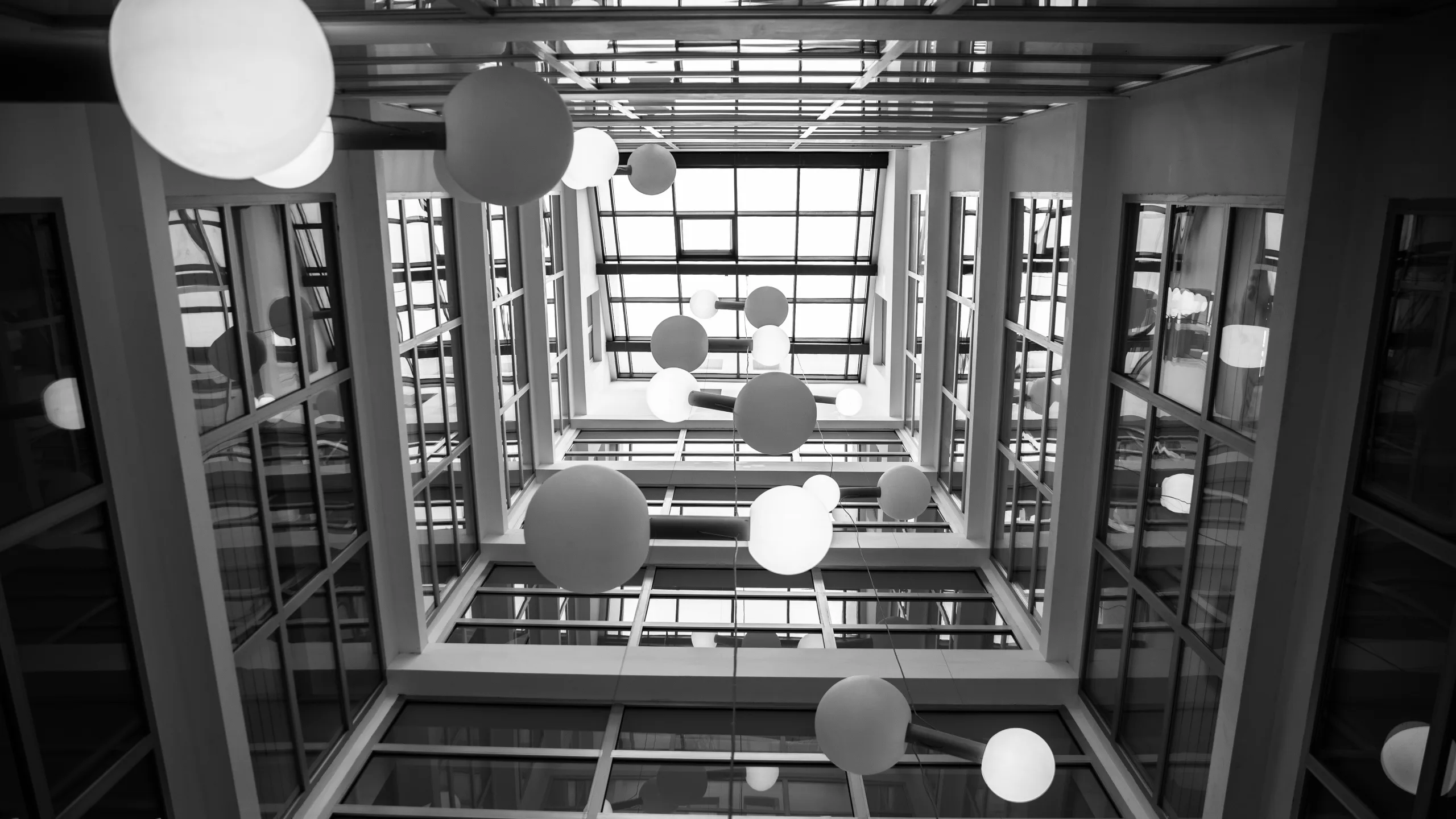
Industrial spaces also love their pendant lights, especially hanging from tall ceilings. In 2026, a notable trend is the use of oversized pendant lighting – essentially big statement pendants that act as a focal point, almost like the new-age chandeliers of industrial design. For example, a huge metal dome pendant over a kitchen island, or a cluster of large bell-shaped pendants over a lobby, immediately draws the eye. These often come in metal finishes like brass, copper, or matte black. Oversized pendants are not only great for lighting large open areas, but they also serve as an anchor to visually fill vertical space in rooms with high ceilings (common in lofts and converted warehouses).
Conversely, there’s another trend going on with the opposite approach: linear and minimalist lighting designs. Instead of ornate or bulky fixtures, some designers opt for slim, understated lights that align with modern minimalism. Think of a simple black metal bar pendant with LED strips – very sleek and almost fading into the architecture. These linear lights can be recessed or suspended and give a more contemporary look while still referencing industrial simplicity (they often resemble the fluorescent tube lights of old factories, but with a much nicer aesthetic!). Such lighting is great for offices or kitchens where you want ample light without the fixture becoming the center of attention. It’s interesting that designers in 2026 are replacing some of the previously “complicated” fixtures with these cleaner lines, perhaps to balance out other busy elements in the space.
Of course, metal cage lights and utilitarian fixtures are alive and well. The image above of the wire cage wall lights is a perfect example – these were originally used to protect bulbs in factories, and now they’re trendy decor. You’ll see cage pendants, scissor accordion wall lamps, and even track lighting with a raw industrial look (imagine black track lights with pivoting metal shades that resemble theater stage lights). These kinds of fixtures scream industrial and often come in black or bronze finishes. They’re perfect for task lighting too, like over a desk or as bedside lamps in an industrial-style bedroom.
We can’t discuss lighting without touching on technology integration. A fun fact: integrating smart tech in lighting is easier than ever, and industrial interiors are taking advantage. For example, installing smart bulbs in those vintage-style fixtures so you can dim or change their color warmth with a voice command. As noted earlier, some designs hide modern tech in plain sight – you could have voice-controlled lighting systems hooked up to your loft’s lights, meaning you keep the cool fixtures but gain 21st-century convenience. Also, LED technology allows for retro-looking bulbs that are actually energy-efficient. You get the Edison filament look now with LED Edison bulbs, which stay cool and save power, a win-win.
Another lighting aspect is making light itself a design feature. In large open industrial spaces, you might use lighting to define zones: e.g., hanging pendant lights lower over the dining area to delineate it in an open floor plan, or using wall-mounted fixtures to frame a living space. Floor lamps with an industrial flair (like those big tripod lamps or architect’s task lamps scaled up) are also popular to add layered lighting. And don’t underestimate natural light – many industrial designs emphasize big windows or even skylights. Steel-framed factory windows are a dream feature; not only do they look great, they flood spaces with daylight, reducing the need for artificial light during the day. Some cutting-edge designs even incorporate daylight harnessing tech – like mirrors or reflective tubes – but that’s more high-tech than aesthetic.
For the GCC region specifics: lighting design often has to account for the intense sun and how interiors transition from day to night. In Dubai, for instance, a lot of industrial chic restaurants and offices will use dimmable lighting and layered schemes to shift from bright daylight (complementing sunlight) to a cozier evening atmosphere. Pendant lights with filament bulbs dimmed low give off a comforting glow that plays well against the night sky or city lights through those big windows.
In essence, lighting in industrial interiors is doing double duty – functionally illuminating spaces and artistically enhancing the design theme. Whether it’s a row of factory-style pendants, a modern linear LED, or a funky steampunk lamp made from pipes, the fixtures are chosen to reinforce that mix of old industrial charm and new convenience. Good lighting makes all those beautiful materials we discussed look even better – highlighting the craggy texture of brick or the sheen of polished concrete, creating shadows that add depth. And of course, it sets the mood: bright and energetic in a work area, soft and moody in a lounge corner.
Now that our spaces are lit just right, let’s consider how we arrange them, especially when one space has to serve many purposes. Up next: planning layouts for those mixed-use scenarios and making industrial design work for both living, working, and everything in between.
Industrial interiors often come hand-in-hand with open floor plans – those expansive, undivided spaces are part of the charm, offering a blank canvas. But what happens when you need that big space to serve multiple functions, like in a mixed-use development or even just the new reality of a home that doubles as an office? That’s a core question for 2026 design, and luckily, industrial style is well-suited to answer it. Let’s talk layout strategies for making mixed-use spaces functional without losing that airy, open feel we love.
Zoning without walls is one approach. Instead of chopping up a loft with new drywall (which could ruin the industrial aesthetic and the sense of volume), designers use creative methods to delineate areas. Rugs are a classic trick: a large rug under a seating area groups those pieces into an implied “room” within a room. Similarly, lighting can define zones – e.g., pendant lights hanging low over a dining table mark the dining area distinctly separate from the living space next to it. Furniture arrangement is crucial: backing a sofa to a dining area can act as a soft divider, or using open shelving as a partition that still lets light through. One trend is the use of freestanding glass or metal-framed partitions – kind of like old factory windows or French doors, but used indoors to cordon off a space while maintaining visual connection. These are perfect for, say, creating a home office nook in a large living area. You get a separate enclosure (maybe even sound buffered if using glass), but it still feels like it’s part of the larger space.
Speaking of home offices, dual-purpose rooms are more in demand than ever. A guest bedroom that’s also a study, or a dining table that moonlights as a conference table for your Zoom calls. Industrial design’s utilitarian roots actually help here – pieces that are simple and functional can serve multiple roles. For instance, a sturdy workbench-style table can be your work desk by day and a crafting or dining table by night. Built-in storage like cabinets or shelves can hold both office supplies and home items in different sections. We even see furniture like murphy beds or sofa beds integrated into industrial designs for flexibility (imagine a murphy bed with a face that looks like a sliding barn door – cool and space-saving). According to design experts, people are requesting fewer purely open layouts and more spaces that can adapt or close off when needed. Industrial lofts are adapting by adding these modular elements.
In commercial mixed-use developments (say a building with retail, co-working, and apartments), the interior design might carry a cohesive industrial theme through all, but each space is tailored to its use. The lobby might feel like a cool cafe with concrete counters and pendant lights, the co-working floor uses modular furniture on wheels so it can be reconfigured for events, and the apartments incorporate sliding steel-and-glass doors to flex between an open loft and private rooms. In the GCC, especially with huge developments under “Vision” programs, there’s emphasis on this kind of adaptability and clear design intent across large projects. Having a strong industrial design language helps – it’s minimalist enough to be versatile, and characterful enough to give all these different spaces a unified identity.
A point from earlier: commercial interiors in the GCC are being designed for adaptability, not permanence. This means the layout itself is expected to change over time. How to achieve that? One way is through modular partitions – these could be sliding walls, movable screens, or even heavy curtains on ceiling tracks that can be drawn to divide space (theatrical, but effective and very loft-appropriate). Another method is providing plenty of power outlets and lighting tracks everywhere, so if a workspace shifts or a retail pop-up appears, they’re not constrained by the original floor plan. Essentially, the infrastructure is laid out for flexibility.
Floor planning also considers flow and circulation. Industrial spaces often have an inherent flow because of their openness, but when dividing into zones, you want to maintain easy paths. For example, if you convert a large hall into a mixed-use office hub, you’ll cluster desks or seating in islands and ensure clear walkways (maybe marked by overhead lights or differences in flooring texture). If it’s a live-work loft, you’d position the work area perhaps near a window for daylight, and living/sleeping areas further inward for coziness, ensuring neither feels in the way of the other.
A neat example of layout creativity is turning under-utilized areas into purposeful nooks. In a tall industrial loft, maybe you have a stair landing that could host a small library or a bench swing. Or under a mezzanine, you tuck the kitchen or a workspace. Utilizing vertical space is another trick – many industrial conversions add a mezzanine level for a bedroom or office. These mezzanines often have cool iron railings or even glass floors to keep the openness while adding square footage. In places like Dubai, where space can be at a premium in trendy districts, making use of vertical volume in high-ceilinged spaces is a smart way to maximize functionality without sprawling outwards.
Finally, let’s talk about furniture mobility in layout. Industrial style happily embraces things on casters and things that fold. Collapsible tables, stackable chairs, and rolling partitions mean you can completely transform a space in minutes. If tonight your loft’s living room needs to host a 20-person get-together, you can roll the coffee table aside, stack the extra stools by the wall, and voila dance floor or dining hall. Tomorrow, it’s back to an office with separate stations. This fluidity is so valuable in modern design because our lives are more fluid especially post-2020, spaces have to flex between modes (office, gym, classroom, lounge).
To wrap up, layout planning in 2026 for industrial interiors is all about keeping the spacious feel while carving out functional niches. The open-plan ethos remains, but it’s a curated openness – with thoughtful use of furniture, partitions, and multi-use design so that a single space can wear many hats. The industrial aesthetic, with its lack of frou-frou and emphasis on versatile pieces, lends itself perfectly to this challenge. Now, we’ve covered a ton about design features – but doing all this responsibly and cost-effectively is another piece of the puzzle, which brings us to sustainability and budget-friendly tips in our next sections.
Sustainability in interior design is no longer an afterthought – it’s front and center, and industrial design has a natural synergy with eco-friendly practices. After all, reusing old structures and materials is core to industrial style. In 2026, with climate concerns on everyone’s mind (even in oil-rich Gulf countries, sustainability is a hot topic), every design element is being viewed through a green lens. Let’s look at how you can make your industrial-styled space as kind to the planet as it is cool to look at.
Reclaimed and recycled materials are heroes here. We touched on reclaimed wood and vintage furniture in earlier sections – these are sustainable because they repurpose existing items (no new trees cut down, no new manufacturing emissions) and they often last longer since they’ve already proven their durability. Using reclaimed wood beams or flooring not only gives you that rich patina and story, it directly saves resources. Similarly, sourcing recycled metal for things like countertops or fixtures can dramatically cut down the environmental impact. Did you know you can get countertops made of recycled concrete or even recycled glass? They fit an industrial aesthetic with their unique, slightly imperfect look, and they embody the reduce-reuse principle. The Industrial Design Institute blog noted a focus on recycled metals and sustainable concrete alternatives becoming popular choices, adding unique touches to spaces while benefiting the environment.
The GCC region is actually pushing some boundaries on sustainability. The UAE, for example, has those 800+ LEED-certified green buildings we mentioned, which means interiors too are expected to align with eco-standards. An industrial interior could contribute by using low-VOC paints and finishes, ensuring good indoor air quality. If you’re sealing your concrete floor or painting your brick wall, opting for water-based, non-toxic sealants and paints is a small but important step. It aligns well with industrial style because a lot of finishes are matte or clear – you’re not typically layering on thick glossy coats, so it’s easy to choose healthier products without compromising the look.
Another big sustainable design move is local sourcing. Shipping heavy materials across continents racks up a carbon footprint. So, designers are trying to source stone, metalwork, wood, and other elements from local or regional suppliers. In Dubai, for instance, using locally quarried stone or tiles, or commissioning UAE-based craftsmen for custom furniture, keeps the environmental cost lower than importing everything from overseas. As Opaal Interiors’ research pointed out, using locally sourced products helps reduce carbon impact over a project’s lifecycle. Plus, supporting local artisans can integrate cultural touches into the design – a win-win.
Energy efficiency is key too, and it goes hand in hand with tech integration. Industrial-style spaces often have large windows (good for natural light), but in a hot climate that can mean heat gain. So you’ll see smart solutions like high-efficiency window glazing that keeps heat out but lets light in, or even integrated solar shades that can automatically lower when the sun is blasting. Inside, using LED lighting (which we already do for Edison-look bulbs now) dramatically cuts energy use. Smart thermostats and sensors can optimize heating/cooling and lighting only when needed. These high-tech inclusions might sound very “modern”, but they can be subtly integrated. For example, a smart thermostat in a retro-looking bronze housing would blend right in on an exposed brick wall.
Water-saving fixtures also contribute to green design – industrial style loves those exposed pipe showers and trough sinks, so just ensure the guts are modern low-flow valves. You won’t see the difference, but you’ll save water.
Sustainability also overlaps with longevity – one of 2026’s big themes. Designing for longevity is inherently sustainable because if a space lasts beautifully for 10-15 years without major overhaul, that’s a lot of materials and waste avoided. The GCC trend of measuring design value by how well it ages speaks to this. So by choosing durable materials (stone, metal, dense wood) and classic designs, you’re doing the eco-friendly thing too. An industrial interior done right might need a few touch-ups here and there, but it won’t look “so last year” that you feel compelled to redo it frequently. Timelessness is green!
We should also mention biophilic design – incorporating plants and natural elements. It’s sustainable in the sense of improving indoor environmental quality and even slightly helping air quality. Industrial spaces can sometimes feel stark, so adding living walls or even just a scattering of potted plants (maybe in cool metal planters) makes a difference. Green roofs and balconies are trending in many new developments – not exactly an interior element, but visible greenery from inside adds to occupant well-being. One could even utilize a hydroponic herb garden in an industrial kitchen – very hip and useful.
In terms of waste reduction, an industrial renovation or build can salvage materials on-site. For example, if you’re converting a warehouse, keep as much of the original as possible – floors, bricks, windows – not only for character but to avoid sending stuff to landfill. If you do remove things, maybe they can be reused elsewhere. There’s a neat example of some developers turning old pipes into new light fixtures for the same project – talk about upcycling!
One more point: furniture and accessories can be sustainable too. Opt for pieces made from recycled or renewable materials (bamboo is renewable and can fit industrial style if done in a modern way). Seek out vintage or second-hand furniture – which we’ve already covered as stylish – because it’s effectively a form of recycling. And when buying new, look for brands that prioritize sustainability in their manufacturing.
Ultimately, making an industrial interior eco-friendly doesn’t mean sacrificing style one bit. If anything, it enhances the story: “These dining chairs are made from reclaimed railway wood” or “this rug is handwoven from organic jute” gives you cool bragging rights. The industrial ethos of re-use and honest materials is inherently green, so it’s about pushing that even further with modern sustainable tech and methods. And in places like Dubai where sustainability is becoming a buzzword in design and construction, an industrial-chic space that’s also eco-conscious is right on the cutting edge.
So we’ve got style, smarts, and sustainability covered. But what if you’re on a budget? Don’t worry – our next section tackles how to get this great look without breaking the bank.
You might be thinking, “All these features sound amazing, but won’t this cost a fortune?” It’s true, interior design can get pricey, especially when incorporating high-end materials or custom pieces. But one of the wonderful things about industrial design is that it can be very budget-friendly if you go about it creatively. The aesthetic literally celebrates things that are unpolished, raw, and second-hand – which often coincide with less expensive options! Here are some savvy tips to achieve your dream industrial space without blowing your budget.
1. Expose and Simplify: If you already have a space with interesting bones (exposed beams, brick, or ductwork hidden above a drop ceiling), consider exposing the existing structure instead of covering it up. Taking down false ceilings or unnecessary drywall can save you the cost of refinishing those surfaces. The raw concrete or brick that’s revealed becomes your decor. This “less is more” approach – leaving ducts, pipes, and electrical conduits visible – is both aesthetically industrial and cost-saving (you’re literally eliminating finishing costs). Just paint them all one color (black or a trendy dark gray) to unify the look, and you’ve got an edgy ceiling for the price of a few cans of paint.
2. Affordable Materials: When adding new finishes, choose materials wisely. Polished concrete floors for example are often cheaper than laying expensive tile or hardwood, especially over large areas, and they look perfectly in line with industrial style. A basic concrete pour and polish is quite cost-effective per square foot. If concrete isn’t an option (say you’re renting or can’t redo floors), you can get the look with concrete-finish vinyl or laminate flooring, which has come a long way in design realism and is budget-friendly. For walls, instead of real brick (which requires masonry work), there are brick veneer panels or even textured wallpapers that mimic brick or concrete at a fraction of the cost and effort.
3. DIY and Upcycling: Industrial design practically begs for DIY projects. Pallets become coffee tables, old pipes become shelf brackets, a reclaimed door on wheels becomes a sliding partition – the internet is full of tutorials for these. Making your own furniture or decor not only saves money, it personalizes your space. For instance, you can build open shelving using plumbing pipes and wood planks from any hardware store; it’s a weekend project that gives you custom shelves that look like they came from a chic loft catalog. Or hit the salvage yard or online classifieds for things like old factory lights, used wood crates, metal lockers – these often sell for cheap, sometimes even free if someone’s clearing out. With a bit of cleaning or a fresh coat of matte black spray paint, they’re as good as new (well, new in your space, old in character!). By opting for upcycled furnishings, you’re tapping into that rugged aesthetic while dramatically cutting costs, and doing the planet a favor to boot.
4. Choose Cost-Conscious Brands: If you’re buying new, plenty of retailers offer industrial-style pieces at reasonable prices. Look for replica or mass-market versions of high-end designs. For example, the classic Tolix metal cafe chair (a staple industrial piece) has inspired countless affordable knock-offs that look great around a dining table or on a patio. Big home furnishing stores have lines of lighting and furniture explicitly styled industrial – you can get a decent factory-look pendant light without custom ordering from Italy. The key is to prioritize a few elements: maybe splurge on one statement item (like the sofa or the dining table) and save on the rest. The beauty of industrial style is that a few high-impact pieces can carry the whole room, and they’ll pop even if surrounded by simpler, cheaper items.
5. Repurpose and Refinish: Look at what you already own or can get second-hand and imagine it with an industrial twist. An old wooden bookshelf might just need some black brackets or casters to feel loft-worthy. A dated dining table can be sanded and given a distressed finish or a concrete overlay to become a centerpiece. Refinishing furniture (painting metal chairs, staining wood, etc.) is much cheaper than buying everything new. You can even create faux industrial finishes – for example, there are paint techniques to emulate oxidized metal or weathered wood. If you fancy the look of those pricey designer concrete pendant lights, there are DIY hacks involving concrete-look paint and simple pendant kits to achieve a similar vibe on the cheap.
6. Minimal Decor, Maximum Impact: Industrial style is inherently minimalist in decor – you don’t need loads of accessories and art. That can save money too. Rather than filling walls with expensive artwork, maybe hang a collection of old tools or gears as sculptural art (often you can find these for pennies at flea markets or even in your garage). A large vintage clock or a neon sign could be all you need on a wall. Often the texture of the wall itself (exposed brick or a cool paint effect) is decoration enough. So, allocate budget to things that are either functional or big impact, and skip the little knick-knacks that clutter and cost.
7. Go Slowly and Strategically: If you’re on a tight budget, remember you don’t have to do everything at once. Industrial spaces can look intentional even if a bit sparse to start with. Focus on getting the fundamentals right (floor, walls, key furniture), then add pieces over time as you find bargains or save up for that perfect light fixture. Because industrial style is eclectic and forgiving, your space can evolve. In fact, hunting for that ideal salvaged piece or waiting for a sale can lead to a more curated, interesting interior than just buying a matching set all at once.
Let’s do a quick case in point: Suppose you have an empty loft. On a budget, you might decide to keep the concrete floor (just polish it up), paint the walls white or light gray (cheap but effective to brighten the space), and perhaps add a brick veneer to one focal wall for texture. You score a used leather sofa from a friend (comfy and a bit worn = perfect), build a coffee table out of an old factory pallet, and hang a couple of inexpensive metal pendants in the living area. In the dining area, you use a simple wooden table (bought second-hand) and mix chairs you painted black. Open shelving in the kitchen is made from IKEA brackets and lumber you stained. The whole space comes together with that industrial loft look and you might have spent a fraction of what an all-new interior costs – and it looks uniquely yours.
By embracing the resourcefulness at the heart of industrial design, you not only save money but you create a space that often has more character. Remember, this style was born from making the most of what’s at hand in old buildings and turning functional objects into decoration. It inherently resists looking too perfect or overly polished, which is great news for your wallet. So, be on the lookout for creative solutions – one person’s cast-off (like a scuffed metal cabinet) could be your next trendy treasure.
Now that we’ve covered everything from high-concept trends to down-to-earth budget tips, let’s zero in on something special: how industrial design is being interpreted specifically in the GCC region and Dubai, merging local influences with global style.
Dubai and the broader GCC (Gulf Cooperation Council) region are known for their go big or go home approach – think record-breaking skyscrapers, luxury everything, and futuristic cityscapes rising from the desert. It’s a place where design is influenced by a blend of cultures, extreme climate, and a penchant for the premium. So, how does industrial interior design, which started in gritty urban warehouses, fit into the picture here? Beautifully, as it turns out – but with a distinct regional twist.
Climate-Resilient Materials: One of the first considerations is the desert climate – it’s hot, sunny, and can be dusty. Interiors in Dubai and similar climates adapt the industrial palette accordingly. For example, while exposed metal is cool, you have to consider that metal can get hot if it’s near a window with intense sun. That doesn’t mean no metal, but often powder-coated or treated metals are used to resist heat and corrosion. Lighter color finishes (like white or light gray powder-coating) on metal elements reflect more sunlight, making them more practical here. Concrete and stone actually work great in the heat – they are thermally massive and tend to stay cool, providing natural cooling effect. It’s common to see polished concrete or stone flooring in GCC industrial-chic spaces because they’re both stylish and comfortable underfoot in hot weather. Also, reflective or UV-protective glass in those big industrial windows is a must to keep interiors cool while bringing in light. Essentially, the industrial look is preserved but with performance tweaks – special paints, sealants, and coatings that handle the temperature swings and prevent things like rust from humidity or salt air near the coast.
Luxury-Industrial Fusion: Perhaps the most striking difference in the GCC interpretation of industrial design is the infusion of luxury. In a region famed for opulence (there’s a hotel in Dubai with an indoor rainforest and another with gold-leaf interiors!), there’s a natural tendency to glam up even the most down-to-earth styles. The result is a kind of “industrial glamour” or “soft industrial” aesthetic. Picture an open loft-style lounge with exposed concrete columns and ductwork, but then add in marble countertops and high-end Italian furniture – that contrast creates a very chic tension. Or imagine a steampunk-esque bar with iron pipes and gears as decor, but also plush velvet bar stools and a crystal chandelier reimagined in an iron frame. Dubai’s designers are masters at this blend: raw meets refined. You’ll see spaces where a vintage drafting table might be paired with a sleek designer lamp, or a distressed brick wall backdrop for a display of luxury handbags in a retail store – making the products pop.
A good example of luxury-industrial fusion is in many of Dubai’s trendy eateries and hotels. They might have exposed ceilings and Edison bulbs, but also imported tile mosaics or intricate metalwork that nod to regional art. This creates a fusion of industrial and Middle Eastern design. The industrial style’s simplicity provides a canvas on which touches of local craft (like mother-of-pearl inlay on a tabletop, or handwoven textiles on an industrial-style sofa) can shine. In essence, Dubai’s industrial interiors often have a higher “finish” level – surfaces are a bit more polished, lighting maybe a tad more dramatic, and everything is executed to luxury standards (which, admittedly, can push budgets, but it achieves a unique high-low contrast).
Local Preferences and Cultural Elements: The GCC audience often expects a certain level of comfort and hospitality in design – it’s a culture of welcoming and hosting. So industrial spaces here typically ensure comfort isn’t sacrificed. As mentioned, seating will be comfy, layouts will consider socializing needs (like big Majlis-style seating arrangements but in industrial form), and acoustics even – lots of hard surfaces can make echo, so you’ll find strategic use of acoustic panels or softer materials in key places to keep noise down, especially in restaurants or large lobbies.
There’s also a respect for privacy and flexibility in the culture. Open layouts are loved, but there might be options to close off areas when needed (e.g., screens or curtains in a home to separate male/female gathering areas when required, or a private corner in a cafe). Industrial design can accommodate that with those sliding doors or movable partitions we discussed, which work well aesthetically and functionally.
We also see climate-adaptive features turned decorative. For instance, ceiling fans are crucial in hot climates, and in industrial design, you can install those gigantic almost airplane-propeller style fans (some brands literally call them “Big Ass Fans”) that look industrial and keep air circulating – they become a visual feature too. Also, indoor-outdoor living is part of Gulf lifestyle when weather allows, so large industrial doors that roll up or slide open to patios are common, creating a seamless flow. These are often styled like old warehouse loading doors but with modern engineering.
Case Study – Merging Industrial with Middle Eastern Flair: One can imagine a co-working space in Dubai’s Design District with concrete floors, exposed ceilings, and graffiti art, but also plush area rugs (echoing traditional carpets) in lounge areas and perhaps Islamic geometric patterns etched into glass partitions or laser-cut into metal panels as a nod to local architecture. This hybrid approach celebrates the location while keeping the global modern-industrial vibe. There was a mention earlier of material-led design replacing excess – in GCC this resonates as a return to authenticity (which industrial style exemplifies) after a long period of over-the-top decor in some places. Developers are embracing more minimalist, clean interiors as they see value in timelessness, and industrial style fits the bill – it’s intentionally a bit timeless and trend-resistant.
Moreover, the GCC’s Vision 2030 and other large-scale projects emphasize innovation and forward-thinking design. Industrial interiors, especially when fused with tech and sustainability, align with that progressive narrative. For example, imagine a smart home in Riyadh that’s decked out in industrial style: concrete walls, steel staircase, but fully wired with smart controls and maybe powered partly by solar energy. It’s cutting-edge meets rustic, reflecting the region’s bridge between tradition and futurism.
Resilience and Maintenance: A practical note – materials chosen often consider ease of maintenance in dusty conditions. Industrial style luckily leans toward materials that don’t need pampering: metal, concrete, brick are all fairly robust. Just consider using matte finishes or textured surfaces where dust won’t show as obviously (e.g., a patina metal instead of a shiny one). Also, fabrics might be chosen with an eye to being fade-resistant (the sun here can be intense) and easy to clean (removable covers, etc.). Industrial design’s lack of wall-to-wall carpet (usually) is a plus – easier to clean floors. And plants used in design tend to be hardy ones that can stand the dry air (succulents, palms, etc.).
In short, the GCC version of industrial interior design is like a cool cosmopolitan persona – it’s got the urban, edgy bones from New York or London, but it dresses them up in a tailored Armani suit with local embellishments. It respects the climate (stays cool), honors the culture (blends comfort and a bit of regional art), and doesn’t shy away from luxury. This results in truly stunning spaces – like a high-end loft that still feels welcoming and contextually appropriate in a place like Dubai. It’s the kind of style where you could see a Lamborghini parked in a double-height loft living room (yes, people do that here) and it wouldn’t feel out of place against the industrial backdrop – it might even feel like art on display!
Having journeyed through global trends and local interpretations, it’s clear that industrial interior design in 2026 is incredibly versatile and vibrant. It’s not just a fad of exposed bricks; it’s an evolving style that adapts to whoever and wherever it’s used. Now, let’s wrap up with a few final thoughts and then answer some FAQs you might have on this topic.