Another strong trend shaping salon interiors is personalization. Instead of generic layouts and predictable décor, salon owners are designing spaces that reflect their unique identity. Whether it’s minimalist elegance, vintage glamour, or contemporary luxury, the interior becomes an extension of the salon’s brand story. Clients today appreciate authenticity, and interiors that tell a story tend to create stronger emotional connections.
Texture and layered materials are also gaining popularity. Rather than relying on flat surfaces and plain walls, designers are experimenting with fluted panels, marble finishes, textured fabrics, and metallic accents. These layered elements add depth and visual interest to the space, making it feel more luxurious and inviting.
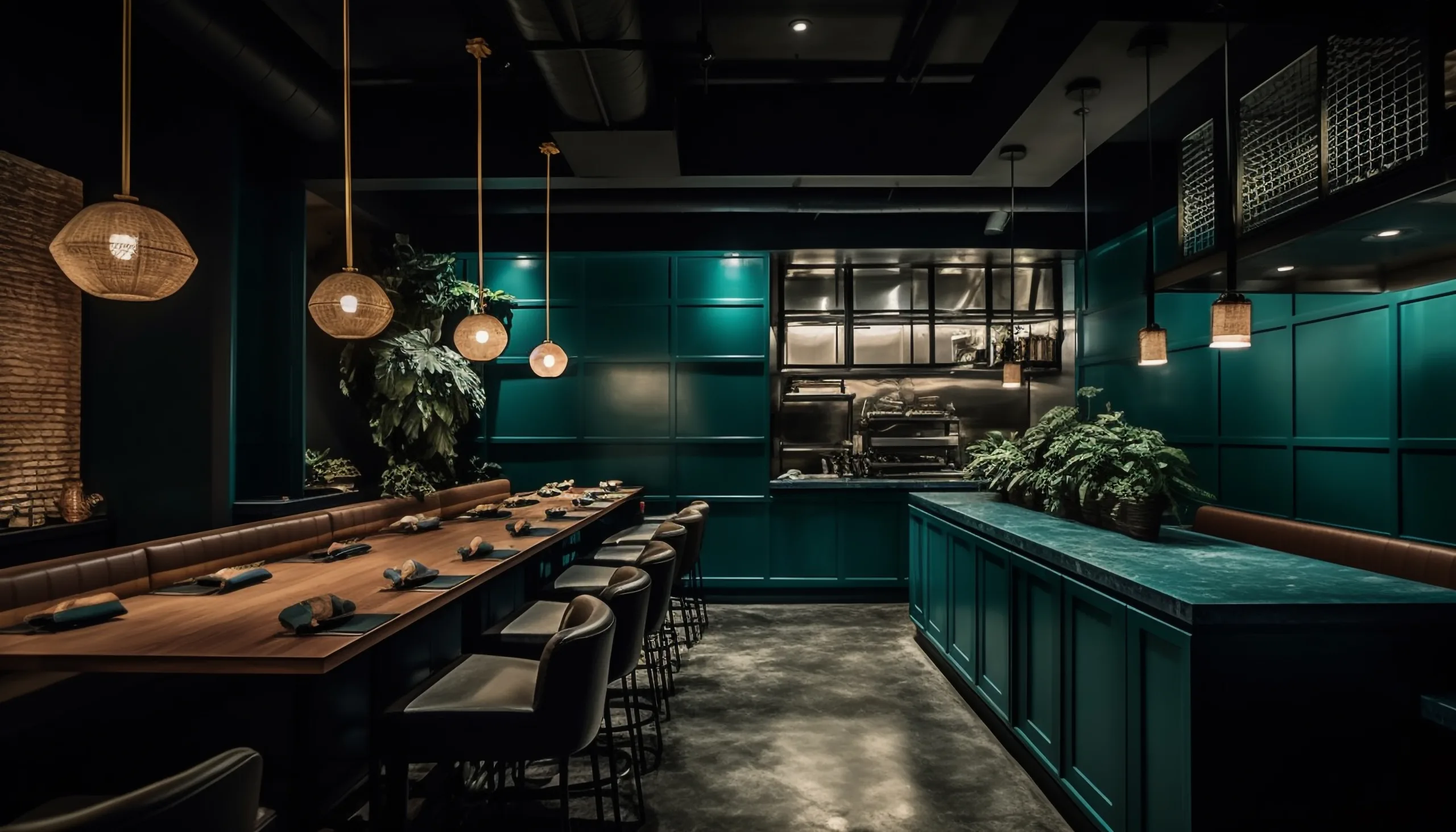
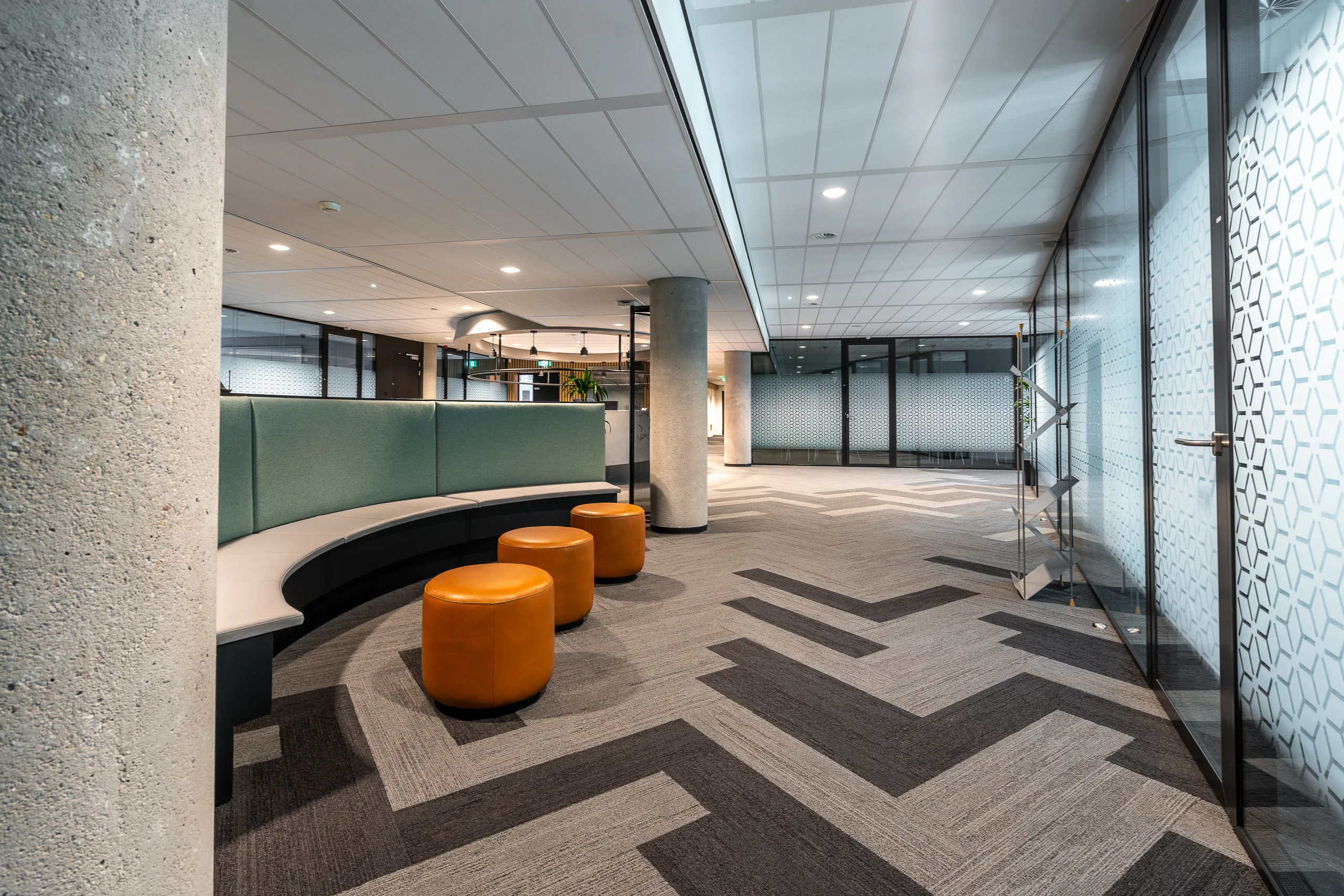
Color trends are shifting as well. The all-white minimalism that dominated salons for years is gradually being replaced by warmer palettes and deeper tones. Shades such as sage green, terracotta, moody blue, and vintage pink are becoming more common in modern interiors. These colors create a sophisticated ambiance while maintaining a calming environment for clients.
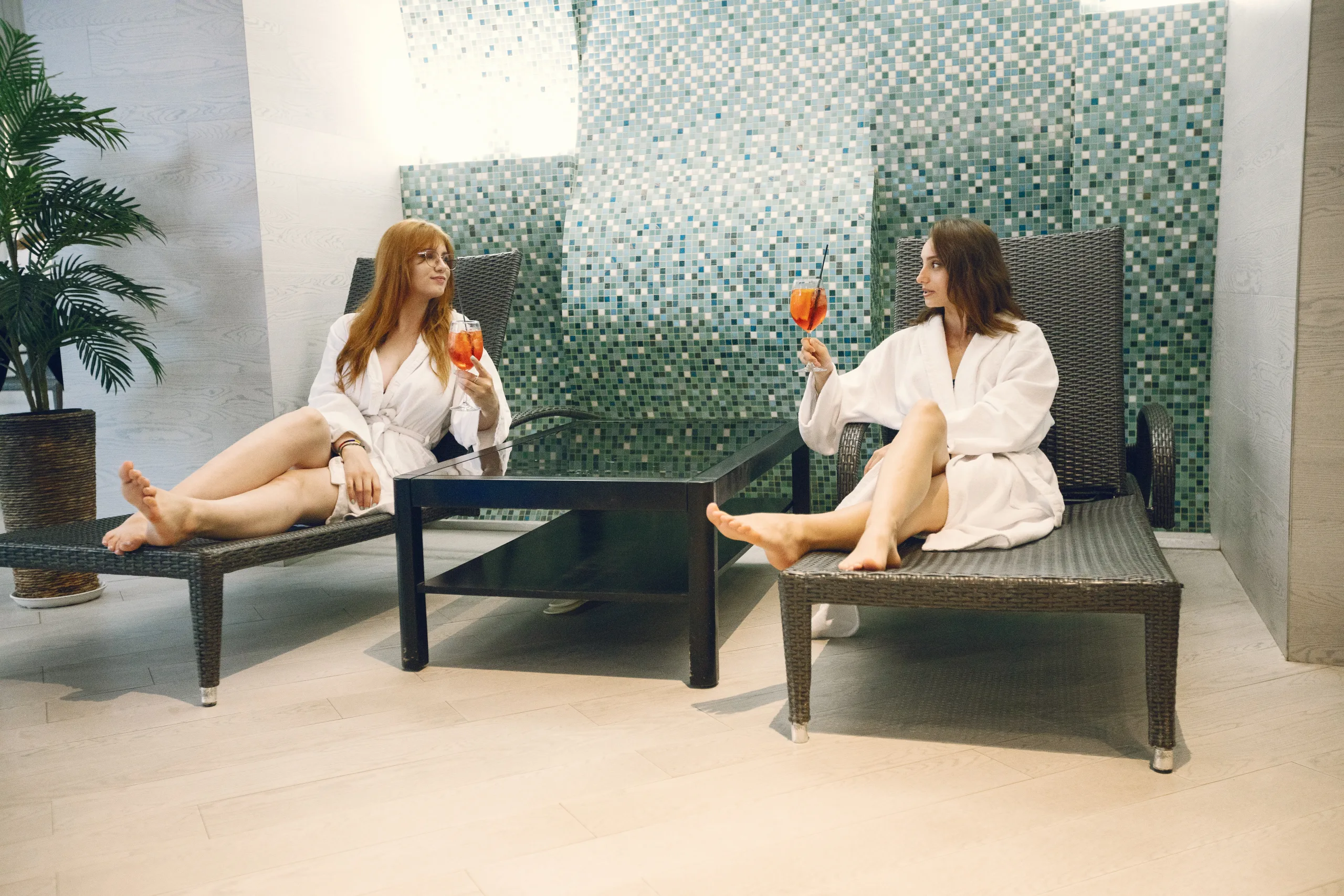
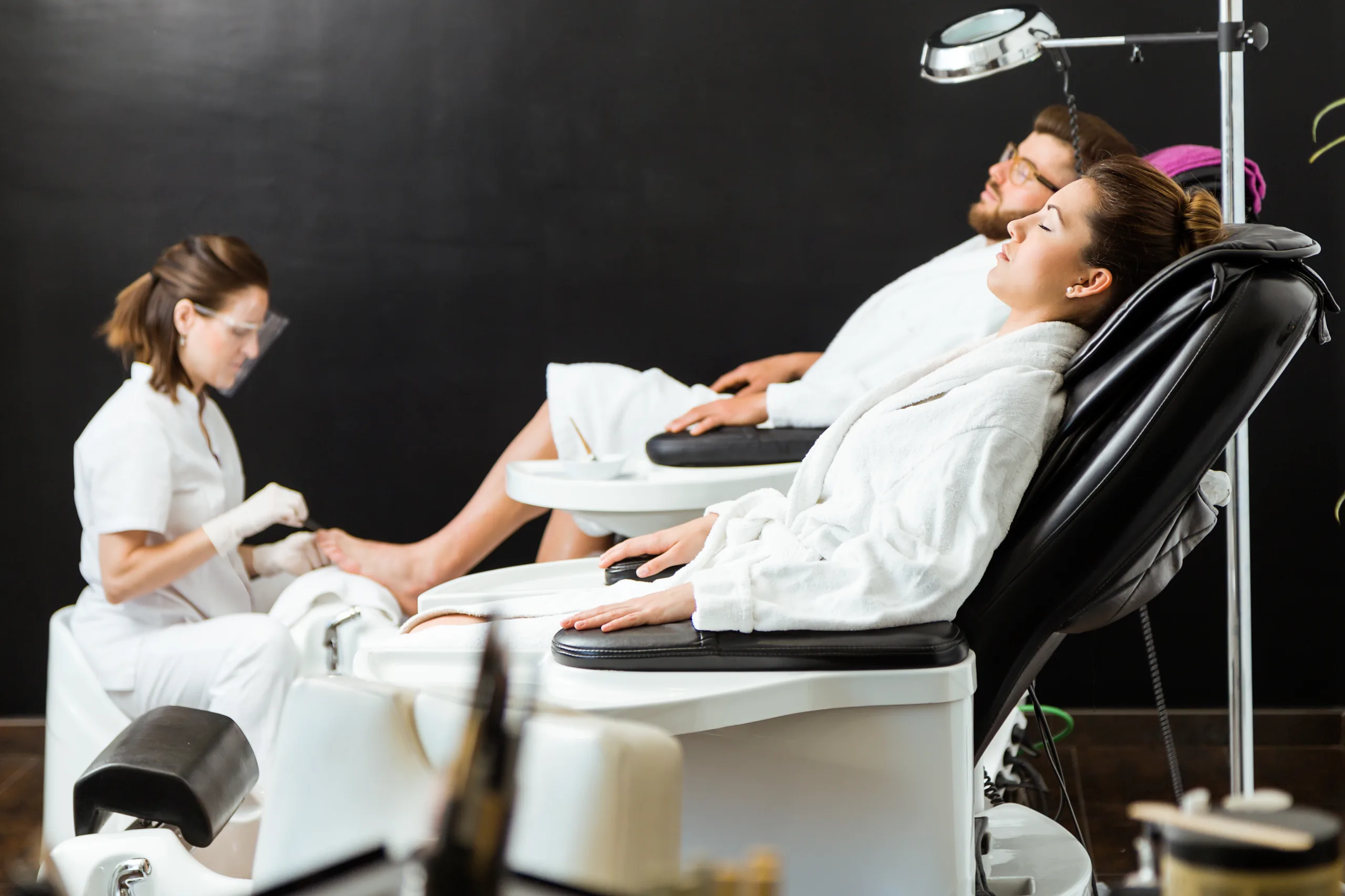
Finally, experiential design is becoming a major priority. Salons are transforming into lifestyle spaces where clients can relax, socialize, and enjoy a moment of escape from daily stress. Comfortable waiting areas, curated music, signature scents, and carefully chosen lighting all contribute to a multi-sensory experience. The goal is simple: make every visit feel like a small luxury retreat.
Reception Area Decor That Creates a Strong First Impression
The reception area is the gateway to the entire salon experience. Within the first few seconds of entering, clients form an impression about the brand, the quality of services, and the professionalism of the business. Because of this, the reception desk and surrounding décor deserve special attention when designing a salon interior.
A modern salon reception should feel welcoming yet refined. Minimalist desks made from marble, stone, or brushed metallic finishes have become popular choices in high-end salons. These materials instantly communicate sophistication while remaining durable and easy to maintain. The design should remain clean and uncluttered, allowing the reception desk to act as a visual anchor for the entire space.
Lighting is another crucial element in reception design. Soft ambient lighting creates a relaxing atmosphere, while focused accent lights highlight architectural details such as textured walls or decorative panels. Many salons now install statement lighting fixtures above reception desks to create a dramatic focal point. These fixtures not only illuminate the space but also act as sculptural design elements.
Decorative elements can further enhance the reception area without overwhelming the space. A curated art piece, a floral installation, or a textured wall panel can introduce personality and warmth. Some salons choose to display product shelves near the reception desk, allowing clients to explore products while waiting or checking out.
Comfort should never be overlooked in this area. Even if clients spend only a few minutes at the reception, small details such as comfortable seating, subtle fragrances, and calming music contribute to the overall experience. The goal is to create a space that feels inviting from the moment someone walks through the door.
Color Palette Ideas for Modern Beauty Salons
Color plays a powerful role in shaping how clients perceive a salon environment. The right palette can create feelings of relaxation, elegance, or excitement, depending on the brand identity of the business. In 2026, salon interiors are moving toward more expressive yet balanced color schemes.
Neutral palettes remain a timeless choice for salons that want to convey sophistication and calmness. Shades such as beige, soft grey, ivory, and cream provide a versatile foundation that works well with almost any décor style. These colors reflect light effectively, making spaces appear larger and brighter. They also allow other design elements, such as furniture or lighting, to stand out without visual competition.
For salons looking to introduce a touch of personality, accent colors can create striking visual moments. Emerald green, navy blue, dusty pink, and terracotta are popular choices that add depth without overwhelming the space. These tones can be applied through feature walls, upholstery, or decorative accessories.
Another emerging design technique is color zoning. This approach uses different colors to visually separate functional areas of the salon, such as styling stations, waiting areas, and retail displays. By subtly shifting the palette across different sections of the space, designers create visual flow while maintaining a cohesive look.
Metallic accents are often paired with these palettes to elevate the overall design. Brass, gold, and brushed nickel finishes appear frequently in mirrors, light fixtures, and decorative details. These elements add warmth and luxury without requiring dramatic design changes.
Statement Lighting That Transforms Salon Interiors
Lighting has become one of the most important elements in salon design. It not only determines how well stylists can work but also influences the mood and visual appeal of the entire space. Modern salons use layered lighting strategies to combine functionality with aesthetics.
Statement lighting fixtures are becoming increasingly popular in beauty salons. Large pendant lights, sculptural chandeliers, and artistic ceiling installations can transform an otherwise simple interior into a memorable environment. These fixtures act almost like pieces of art, drawing attention and enhancing the overall atmosphere.
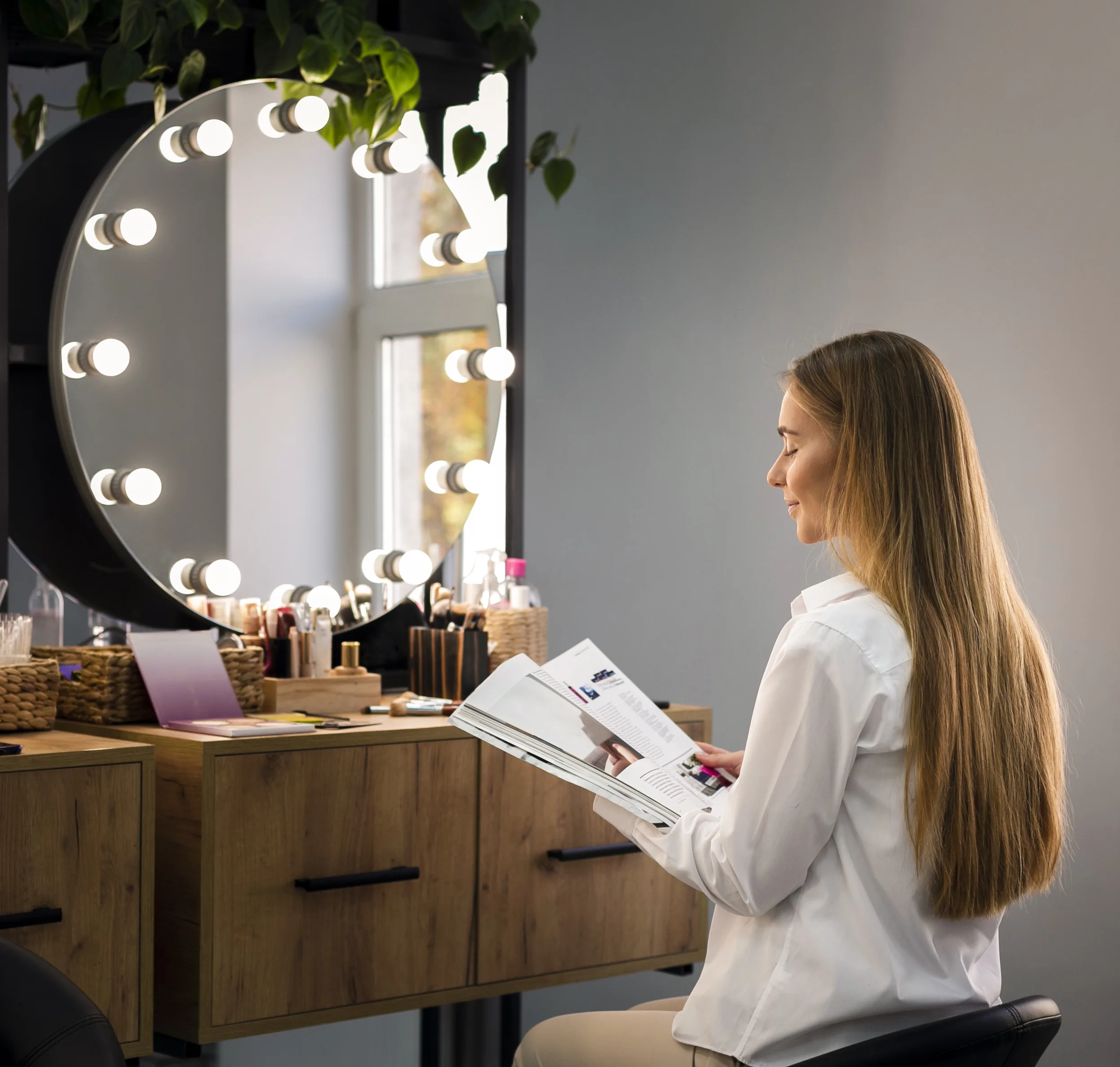
Task lighting remains essential for styling stations. Stylists require clear, balanced illumination to perform precise work such as cutting, coloring, or applying makeup. Many salons install vertical LED lights around mirrors to ensure even lighting that eliminates harsh shadows. This setup not only improves visibility but also creates flattering lighting for clients.
Ambient lighting is equally important. Soft indirect lighting, such as concealed LED strips or wall washers, adds warmth and depth to the interior. These lighting layers create a comfortable environment where clients feel relaxed rather than overwhelmed by bright overhead lights.
Lighting can also highlight architectural features within the salon. Textured walls, decorative shelving, or art installations become more visually striking when illuminated strategically. By combining different types of lighting, salons create a dynamic environment that feels both luxurious and functional.
Designing Instagram-Worthy Styling Stations
Styling stations are the heart of every salon. These areas must balance practicality with visual appeal because they are where clients spend most of their time during appointments. In modern salons, styling stations are designed not only for efficiency but also for aesthetics.
Mirrors are often the centerpiece of these stations. Large, uniquely shaped mirrors instantly elevate the design of a salon. Rounded mirrors, arched frames, or backlit LED mirrors create a sophisticated look while providing optimal lighting for both stylists and clients. Many salons choose custom mirror designs that reflect their brand identity.
Storage is another crucial aspect of workstation design. Clean, organized styling stations allow stylists to work efficiently while maintaining a polished appearance. Hidden storage drawers, integrated shelves, and sleek cabinetry keep tools and products easily accessible without cluttering the workspace.
Materials also play a significant role in styling station aesthetics. Marble countertops, wood accents, and metallic details can transform functional furniture into design statements. When combined with thoughtful lighting and mirror design, these elements create workstations that feel luxurious and visually cohesive.
Another design trend is the use of modular styling stations. These flexible setups allow salons to rearrange workspaces depending on client flow or service requirements. Modular furniture provides adaptability without sacrificing design quality, making it a smart choice for growing salons.
Waiting Areas That Feel Like Luxury Lounges
Gone are the days when salon waiting areas consisted of a few chairs and a stack of magazines. Modern salons treat waiting areas as extensions of the overall experience, designing them to feel more like boutique lounges than traditional waiting rooms.
Comfortable seating is essential. Plush sofas, upholstered chairs, and stylish benches create an inviting environment where clients can relax before their appointments. Designers often select furniture that balances comfort with durability, ensuring it can withstand daily use without losing its elegance.
Decorative elements play a major role in enhancing waiting areas. Art installations, feature walls, or sculptural décor pieces introduce personality and sophistication. Some salons incorporate curated libraries, product displays, or digital screens showcasing services and treatments.
Amenities can further elevate the waiting experience. Beverage stations offering coffee, tea, or infused water make clients feel welcome and appreciated. Charging stations and Wi-Fi access add convenience, allowing clients to stay connected while they wait.
The goal is to create a space that feels intentional rather than transitional. When waiting areas are thoughtfully designed, clients perceive the salon as more premium and are more likely to enjoy their overall visit.
Biophilic Salon Decor: Bringing Nature Inside
One of the most influential design philosophies shaping modern interiors is biophilic design. This concept focuses on integrating natural elements into indoor spaces to create environments that promote well-being and relaxation.
In salons, biophilic design often appears through the use of indoor plants. Greenery adds life and color to interiors while improving air quality and creating a calming atmosphere. From small potted plants to vertical garden walls, greenery can transform the energy of a space.
Natural materials further enhance this connection to nature. Wooden floors, stone countertops, and woven textures introduce warmth and authenticity into salon interiors. These materials feel grounded and timeless, making them ideal for spaces designed to help clients unwind.
Lighting also plays a role in biophilic design. Large windows that allow natural light to flood the interior create a sense of openness and comfort. When natural light is limited, designers often mimic its warmth using carefully balanced artificial lighting.
Beyond aesthetics, nature-inspired interiors contribute to emotional wellness. Clients visiting salons often seek relaxation and self-care, and environments that feel connected to nature naturally support this intention.
Technology-Integrated Salon Interiors
Technology is quietly transforming the way salons operate and interact with clients. Modern interiors increasingly integrate digital tools that enhance both convenience and visual appeal.
Smart mirrors are one of the most exciting innovations in salon design. These mirrors can display hairstyle previews, lighting adjustments, or even digital consultations. By blending technology with traditional styling stations, salons create interactive experiences that feel modern and engaging.
Digital displays are also becoming more common. Screens placed in waiting areas or reception spaces can showcase services, promotional videos, or product tutorials. This approach not only informs clients but also encourages retail purchases.
Client convenience remains the primary focus of technological integration. Charging stations, wireless payment systems, and digital appointment kiosks streamline the salon experience while reducing operational friction.
When implemented thoughtfully, technology becomes part of the design rather than a distraction. The goal is to enhance the client journey while maintaining the elegance and atmosphere of the space.
Budget-Friendly Decor Ideas for Small Salons
Not every salon has the budget for a complete interior renovation, but that doesn’t mean beautiful design is out of reach. Small changes can dramatically improve the appearance and atmosphere of a salon without requiring major investments.
Micro-renovations are one of the most effective approaches. Updating lighting fixtures, repainting walls, or replacing mirrors can refresh the entire look of a salon with minimal cost. Even small changes, such as introducing a statement wall color or textured panel, can create a noticeable transformation.
Decorative accessories offer another affordable solution. Stylish planters, framed artwork, or unique shelving can add personality without overwhelming the space. These elements allow salon owners to experiment with different styles before committing to larger design changes.
Furniture placement can also influence how spacious a salon feels. Rearranging styling stations, removing unnecessary clutter, and improving circulation paths can instantly make a space feel more organized and comfortable.
The key is to focus on impactful design elements rather than attempting a complete redesign. Strategic updates allow salon owners to gradually evolve their interiors while maintaining financial flexibility.