Understanding the industrial aesthetic in F&B
Key visual elements – concrete, metal, exposed ceilings
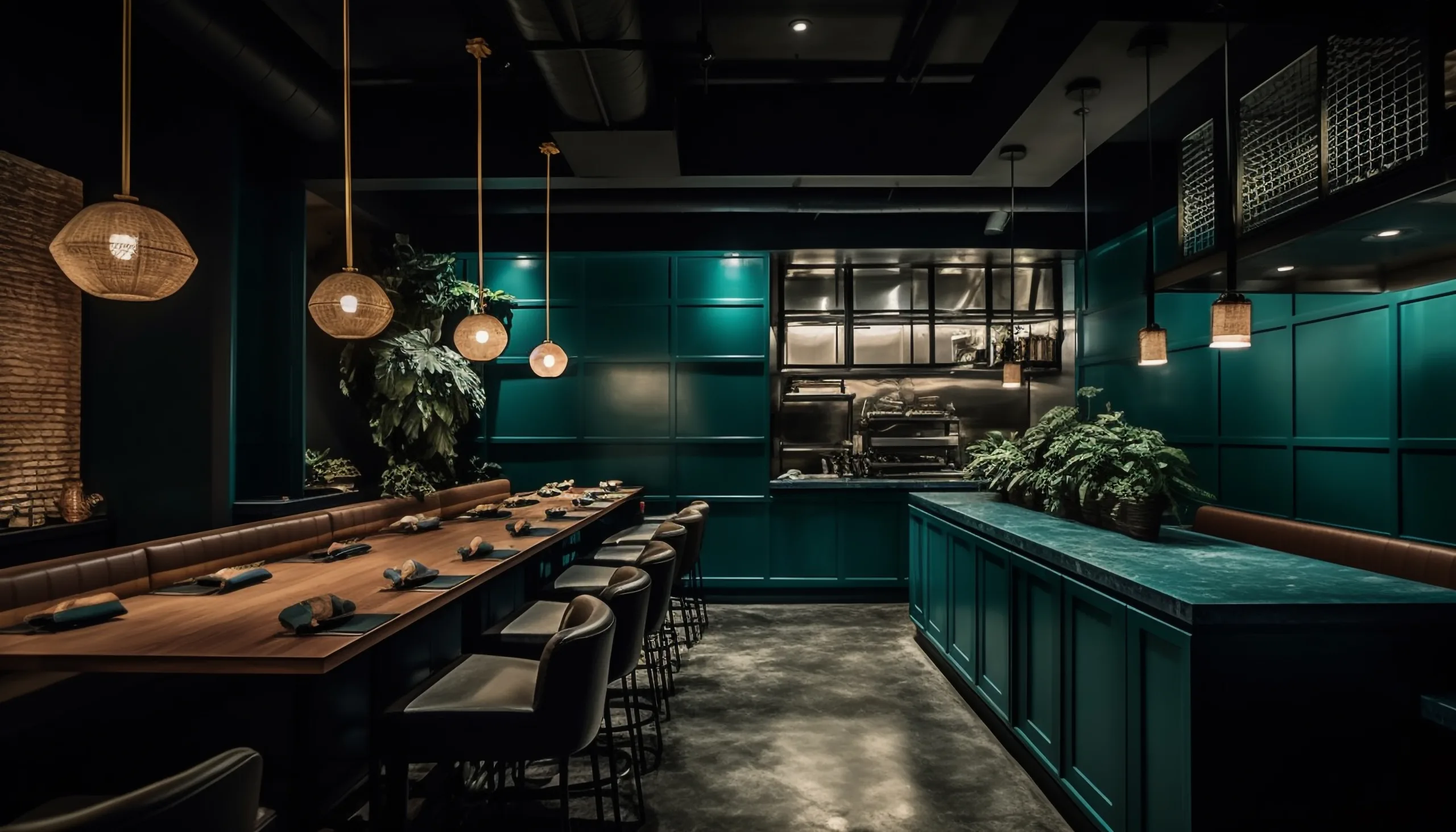
The viral “industrial” look usually includes:
-
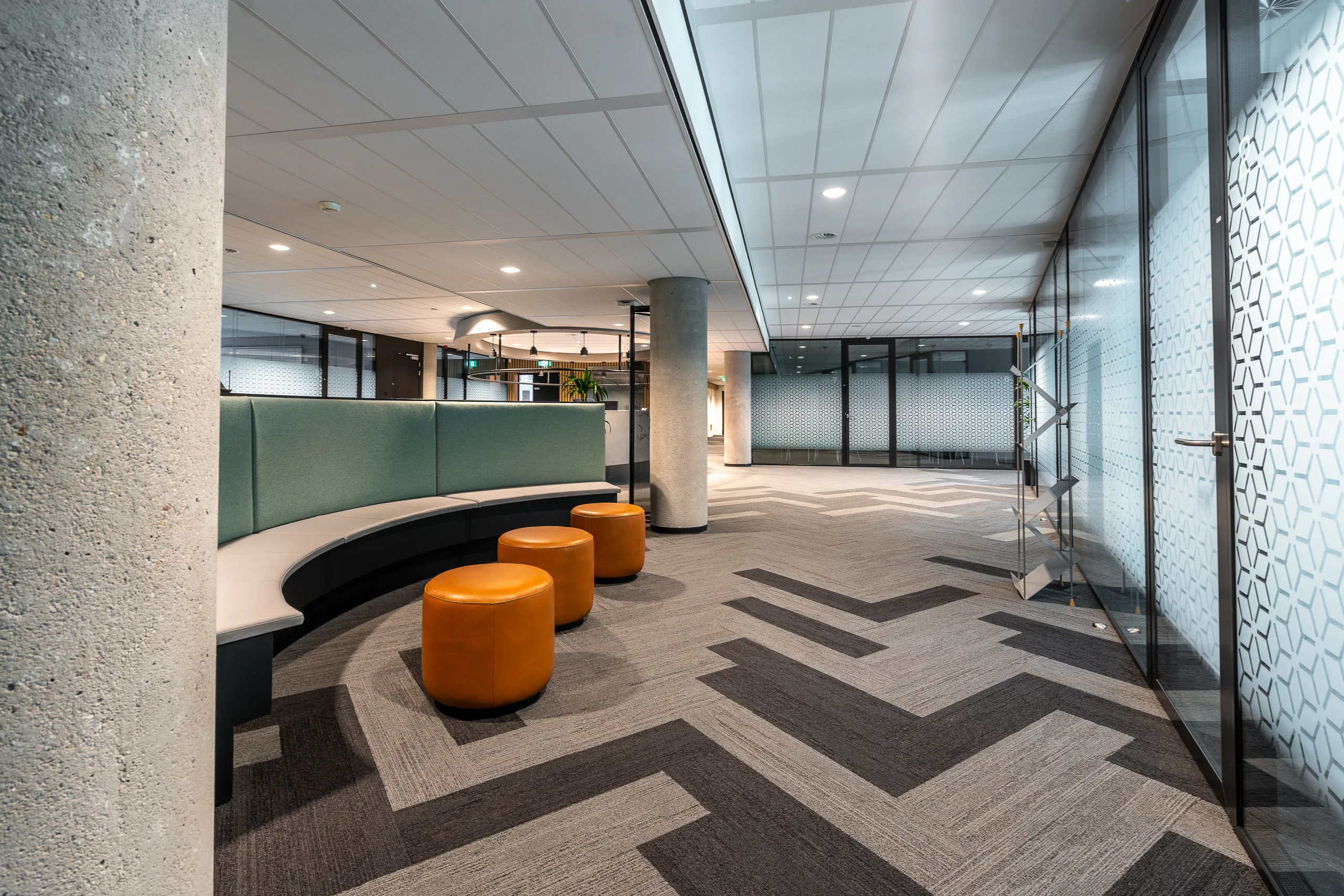
Exposed concrete floors and columns
-
Raw or faux brick walls
-
Open ceilings with visible pipes, ducts and cable trays
-
Black or dark painted ceilings and walls
-
Stainless steel or black metal frames, shelving and railings
-
Reclaimed wood tables, benches and bar tops
-
Minimal decoration, strong lines and big open spaces
It is a great backdrop for social media content, which is one reason it is so popular in cafés, bars and casual restaurants.
Why customers love it – authenticity and “Instagrammable” moments
Guests associate industrial interiors with:
-
Urban energy and a “warehouse turned concept space” story
-
Honesty and transparency rather than polished perfection
-
A sense of being in a trendy, modern spot worth sharing online
In other words, the unfinished look is part of the branding.
Where hygiene problems usually start
The same design features that feel raw and real can become hygiene headaches:
-
Rough, unsealed concrete absorbs spills and stains
-
Real brick is porous and hard to wipe properly
-
Open ceilings collect dust where guests can see it
-
Metal frames and bar structures have many joints and crevices
-
Dark tones can hide dirt until it becomes obvious
None of these are automatic failures, but they do raise the bar for how carefully you design and maintain the space.
Hygiene basics that never change, no matter the aesthetic
Regulatory expectations and health codes
Health inspectors do not care how “on trend” your space is. Their checklist is about:
-
Food contact surfaces being non porous, smooth and easy to sanitise
-
Floors and walls being washable and in good repair
-
Ventilation, odour control and grease management
-
Pest control and absence of hiding spots
-
Safe separation of clean and dirty zones
If the raw look prevents proper cleaning or creates contamination risks, it will be a problem, no matter how good it looks on Instagram.
Core principles of food safe design
A simple way to think about hygiene in any F&B space:
-
Surfaces that touch food must be smooth and non porous
-
Anything that gets splashed, spilled on or touched a lot must be easy to wipe
-
Joints, gaps and crevices should be minimised
-
You need visual access to areas that must be checked and cleaned regularly
Industrial design does not cancel these principles. It just means you have to be more intentional in how you apply them.
Balancing brand identity with compliance
You do not have to choose between:
-
“We look cool” or
-
“We pass inspections”
You can have both. The trick is to keep the industrial story mostly visual and material based in low risk areas, and keep high risk and food contact zones more clinical and easy to maintain, even if they still pick up subtle industrial details.
Surfaces that look industrial but are easy to clean
Floors – concrete, tiles, epoxy and anti slip
The floor carries spills, tracked in dirt and sometimes broken glass. It needs to work hard.
Polished concrete vs sealed concrete
If you want concrete floors:
-
Avoid raw, dusty concrete. Instead, use polished and sealed concrete.
-
A good sealer reduces porosity, makes mopping easier and prevents stains.
-
Choose a finish that provides some slip resistance when wet, especially in service and bar zones.
You can still keep that grey, industrial feel without living with permanent coffee and wine stains.
Where to use tiles instead
In back of house, dishwashing areas and around the bar, tiles can be more practical:
-
Choose large format tiles with minimal grout lines
-
Use darker grout that hides light staining but is still cleanable
-
Look for tile designs that mimic concrete or stone, so you do not visually break the concept
Walls – raw look without porous surfaces
Real brick and unfinished plaster are not your friend near food or sinks.
Coatings that give a “raw” feel but wipe clean
You can:
-
Use brick effect tiles or panels that are sealed and washable
-
Apply microcement or similar coatings that mimic raw concrete but are non porous
-
Use high quality paints with washable, scrubbable finishes in high contact zones
You still get the texture and depth of industrial style, but one spill of tomato sauce will not live there forever.
Tables and counters – metal, wood and stone
Tables and counters are where guests really judge cleanliness.
Food contact surfaces vs decorative surfaces
Be clear about what is actually touching food:
-
For bar tops and dining tables, sealed solid wood, laminate, quartz or stainless steel are safer choices.
-
If you use reclaimed wood, have it properly filled, sanded and sealed to avoid cracks where dirt and bacteria can sit.
-
For pastry displays or food pass areas, stainless steel or stone with food grade sealants is usually best.
You can keep industrial style frames, legs and supports, but the top surface needs to be service friendly.
Handling exposed ceilings, pipes and ducts hygienically
The dust problem above the dining zone
Open ceilings with beams, pipes and ducts are iconic for industrial spaces, but they also:
If guests can see it, they will quietly judge it.
How to design exposed services that can still be cleaned
You cannot just leave a jungle of pipes overhead and hope for the best. Plan for:
-
Grouped services rather than chaotic runs, so cleaning teams can reach them
-
Smooth surfaces on ducts, ideally with fewer joints and flanges
-
Access points like catwalks or safe ladder access where practical
-
A regular high level cleaning schedule, not just when someone complains
Sometimes, partially boxing in services with easy to open panels gives you the best of both worlds.
Colour and lighting choices that help hygiene checks
Very dark ceilings look dramatic, but they can hide dirt until it is bad.
You can:
-
Use dark tones but keep enough lighting aimed upwards to reveal dust in inspections
-
Use slightly warmer greys instead of pure black so buildup is visible earlier
-
Position spotlights to avoid highlighting dirt traps while still revealing general cleanliness
Open kitchens and bars in an industrial setting
Why open prep areas are high risk if badly planned
Open kitchens and bars are often paired with industrial aesthetics. They let guests see:
-
The flames
-
The equipment
-
The staff at work
If hygiene slips, they also see:
So planning is everything.
Using glass, stainless steel and zoning to your advantage
Some smart moves:
-
Use glass screens to separate guests from cooking zones while keeping visual access.
-
Make all visible prep surfaces stainless steel, stone or other easy to sanitise materials.
-
Use clear zoning on the counter – clean plates here, dirty returns there, no overlap.
-
Keep industrial elements like black metal framing and exposed brick to guest facing facades, not the actual prep area.
Noise, smells and cleanliness – how they link to perception
Guests do not separate smell from cleanliness. If the industrial space traps:
-
Heavy grease smells
-
Smoke
-
Damp or musty odours
Then the entire place feels less hygienic. Good extraction, fresh air and balanced scents are crucial, especially when the ceiling is open and the space is large.
Smart layout planning for industrial style venues
Customer flow vs staff flow
In an industrial layout, you often have big open zones. That is nice for atmosphere, but:
Good flow reduces spills, accidents and messy bottlenecks that instantly break the “clean but raw” illusion.
Separating “gritty” visual elements from actual food handling
You can cluster your grittier design features away from food contact:
-
Use heavy metal features, raw brick and rough timber around seating and social zones.
-
Keep areas near pass, kitchen openings and service stations smoother and more refined, even if colours and lines still match the theme.
Designing storage that stays neat in a raw looking space
Open shelves on black steel frames look great until they are cluttered with cardboard boxes and mismatched containers.
Plan:
-
Closed storage for messy items
-
Uniform containers for visible shelves
-
Clear organisation so staff can maintain that tidy industrial look on busy nights
Choosing fixtures and furniture that stay clean
Chairs, stools and benches – avoid grime traps
Mesh seats, deep grooves and crazy angles collect crumbs and spills.
Go for:
-
Simple silhouettes that can be wiped fast
-
Upholstery in commercial grade fabrics or leathers that resist staining
-
Bar stools with minimal joints where dust and food can lodge
Lighting fixtures – from dust collectors to clean lines
Cage lights and layered metal fixtures look cool, but each bar and wire is another dust trap.
Balance style with:
-
Fewer, more impactful fixtures rather than many tiny ones
-
Glass or solid shades that can be easily wiped
-
A routine schedule for dusting and cleaning overhead lights
Door handles, rails and touchpoints that are easy to sanitise
Industrial spaces often use heavy metal handles, chains and textured details. These are high touch points, so they should:
-
Be smooth enough to disinfect properly
-
Avoid intricate engraving that traps grime
-
Be paired with frequent sanitising during service hours
Ventilation, odours and air quality in industrial spaces
High ceilings, open ducts and how air really behaves
High ceilings can help disperse smells, but they can also:
-
Let hot, greasy air pool overhead
-
Make air conditioning work harder
-
Leave some zones stuffy and others cold
Work with a professional to balance extraction, supply air and air movement around the space.
Managing cooking fumes, grease and humidity
In industrial kitchens and bars:
-
Invest in proper hood systems, filters and ducting, not just “good enough”.
-
Clean filters regularly to prevent grease buildup that drips and smells.
-
Control humidity to prevent condensation on visible ducts and pipes.
Scent and “freshness” as part of hygiene perception
A light, clean smell in the dining area makes the whole industrial setting feel more cared for. You do not need heavy fragrance, just:
Cleaning routines tailored to industrial style venues
Daily, weekly and monthly checklists
Because there are more exposed surfaces, you need tighter routines:
-
Daily
-
Floors, tables, counters, bar tops, toilets, door handles
-
Visible low level metal frames and ledges
-
Weekly
-
Skirtings, wall tiles or concrete panels, chair legs, under tables
-
Lower sections of pipework, visible parts of equipment
-
Monthly
-
High dusting of ducts, beams, top of lights and signage
-
Deep cleaning of grout, concrete sealers, and heavily used metal surfaces
Putting this into a simple checklist for each shift keeps it real rather than theoretical.
Special attention areas in industrial designs
Watch out for:
-
The top edges of half height walls and dividers
-
Exposed beams above waiting areas or bars
-
Black shelves with decorative items that quietly gather dust
These are the spots guests notice when they look around while waiting for food.
Products and tools that protect finishes while disinfecting
You want disinfectants that:
-
Are food safe in relevant areas
-
Do not damage sealers, coatings or metal finishes
-
Are easy for staff to use quickly during service
Microfibre cloths, non abrasive pads and correct dilution of cleaning chemicals are your friends here.
Staff training – making hygiene match the aesthetic
Teaching the “why” behind every cleaning task
If staff think the industrial space is meant to look “a bit rough”, they are more likely to accept dirt they would never tolerate in a classic restaurant.
Training should explain:
-
Which surfaces are allowed to look raw but must still be clean
-
How guests subconsciously read dust and stains as “this kitchen is not safe”
-
Why certain tasks, like high dusting, matter even if no one comments on them directly
Uniforms and grooming that fit the industrial brand
Industrial does not mean sloppy.
You can:
-
Use dark, simple uniforms that match the aesthetic but still look sharp and clean
-
Set clear grooming standards
-
Avoid clothing details that trap food or get dirty fast
Building habits and accountability on every shift
Hygiene in an industrial setting sticks when:
-
Each shift has assigned cleaning responsibilities
-
Managers regularly walk the floor looking up as well as down
-
Wins are recognised – guests commenting on how clean the space feels, for example
Communicating cleanliness to your guests
Visual cues that quietly say “we are hygienic”
Guests notice:
-
Spotless toilets, even in an industrial style washroom
-
Clean cutlery and glassware against raw tables
-
Clear, organised bar stations
If these look good, guests naturally trust that the spaces they cannot see are equally well maintained.
When to make cleaning visible in the front of house
In casual industrial venues, it helps if guests occasionally see:
-
Tables being sanitised properly between seatings
-
Floors being spot cleaned when spills happen
-
Staff resetting the bar area with care
This reinforces the idea that the “raw” look is intentional design, not neglect.
Signage, menus and digital content that reassure people
Without overdoing it, you can mention:
-
Hygienic standards in your story or “about” section
-
Open kitchen hygiene practices
-
Certifications or awards if relevant
This is especially effective on your website and social media, where people often check you out before visiting.
Common mistakes with the industrial aesthetic in F&B
Overusing untreated materials
Using too much real, unsealed concrete, steel and brick in high contact areas turns every service into a cleaning nightmare.
Confusing “grunge” with “dirty”
Industrial is about authenticity and texture, not grime. If guests see sticky floors, dusty shelves or smudged glass, the mood shifts from “cool” to “careless”.
Ignoring long term maintenance costs
That statement ceiling grid or complex metal installation may look incredible in renderings, but if it costs a fortune to keep clean, you will regret it within a year.
Practical examples – turning risky design into safe spaces
Example 1 – Coffee shop with exposed brick and concrete
-
Real brick wall is sealed and only used behind seating, not in the barista prep zone.
-
Service counter is stainless steel and stone, framed with black metal to keep the industrial vibe.
-
Concrete floor is polished and sealed, with textured tiles behind the counter for extra grip.
Example 2 – Casual dining restaurant with open kitchen
-
Open kitchen front has a glass partition, so guests see the cooking, not the splatter.
-
Ceiling above kitchen remains more closed and easy to clean, while the dining area has the dramatic open structure.
-
Menu explains the open kitchen concept and commitment to hygiene, supporting the visual story.
Example 3 – Dark, moody bar with industrial details
-
Dark ceiling, but with regular high dusting and targeted lighting to keep things honest.
-
Bar top in sealed stone, back bar shelves lit and kept clutter free.
-
Toilets designed with industrial fixtures but using fully tiled, easy to clean surfaces.
Future trends – cleaner versions of industrial design
Warm industrial and “softened” raw spaces
We are already seeing shifts toward:
-
Warmer wood tones rather than cold steel everywhere
-
Softer textiles balanced with the hard surfaces
-
More curves and fewer harsh edges
This can actually help hygiene, since it often means fewer over complicated surfaces.
Anti microbial materials and new coatings
There is growing use of:
-
Antimicrobial laminates and coatings on tables and counters
-
More advanced sealers for concrete and stone
-
Fabrics designed to resist stains and bacteria
These keep the look while raising the hygiene baseline.
Tech that supports hygiene in visible ways
From automatic taps and soap dispensers in industrial chic restrooms to air quality monitors and digital checklists, tech can quietly reinforce that your space is both stylish and safe.