You might hear one company spend a modest amount while another spends several times more on a similar-sized space.
That is because the refurbishment cost is not just about size.
It is about intent.
A basic refresh costs very differently from a premium, brand-led workplace. Materials, timelines, technical requirements, and even how fast you want the job done all influence the final number.
The Key Factors That Determine Office Refurbishment Cost
Size of the Office Space
This is the most obvious factor. Costs are often calculated per square foot or square metre.
A larger space naturally requires more materials, labour, and time.
However, bigger does not always mean more expensive per square foot.
Smaller offices can sometimes cost more per unit if they involve high-end finishes or complex detailing.
Scope of Refurbishment
This is where costs really start to diverge.
Light Refurbishment
This usually includes:
This is the lowest-cost option and is often chosen when the layout already works.
Medium Refurbishment
This may involve:
This is common for growing companies that need better functionality without a full rebuild.
Full Refurbishment
This includes:
-
Full strip-out
-
New layouts
-
New HVAC, electrical, and data systems
-
Custom joinery and branding elements
This is the most expensive option but delivers the biggest transformation.
Design and Space Planning Costs
Interior Design Fees
Interior design is not just about aesthetics. Designers help optimise space, improve workflow, and avoid costly mistakes during construction.
Design fees are usually calculated as:
Skipping design often costs more in the long run.
Space Efficiency and Layout Changes
Changing layouts affects everything, walls, lighting, air conditioning, data points, and fire safety. The more walls you move, the more trades get involved.
A well-planned layout can actually reduce overall costs by minimising unnecessary construction.
Construction and Fit-Out Costs
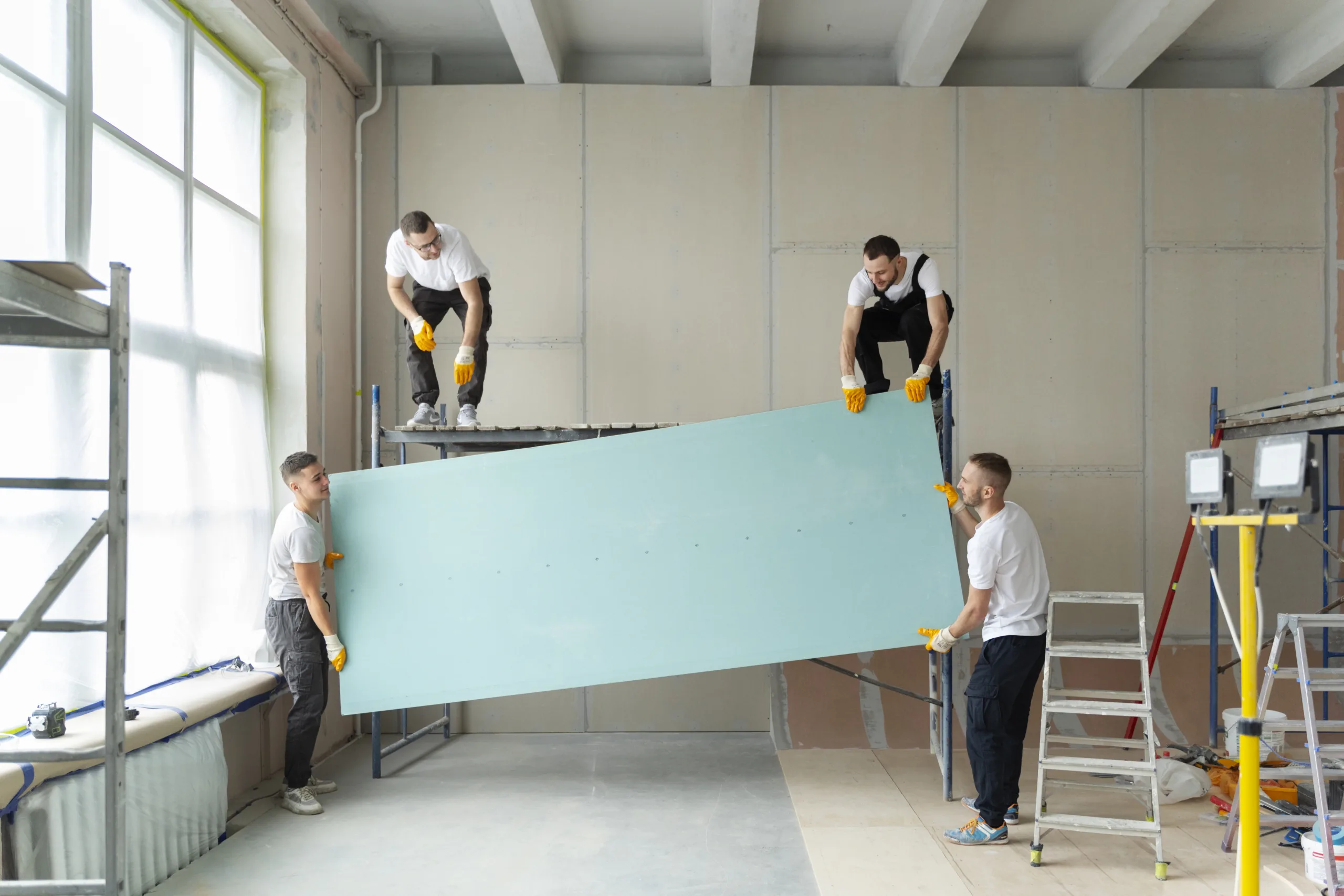
Demolition and Strip-Out
Before building anything new, old elements often need to be removed. This includes:
-
Existing partitions
-
Flooring
-
Ceilings
-
Old wiring
This cost is frequently underestimated.
Partitions, Ceilings, and Flooring
These form the backbone of the space:
-
Glass partitions cost more than gypsum
-
Acoustic ceilings cost more than standard tiles
-
Carpet tiles, vinyl, wood, and stone all vary significantly in price
Every material choice shifts the budget.
Joinery and Custom Furniture
Custom reception desks, storage units, and feature walls add character but also increase cost. Bespoke work always costs more than off-the-shelf solutions.
Mechanical, Electrical, and Plumbing (MEP) Costs
HVAC and Air Conditioning
Reconfiguring air conditioning is one of the biggest cost drivers, especially in offices with multiple zones or meeting rooms.
Poor HVAC planning leads to uncomfortable offices and expensive rework.
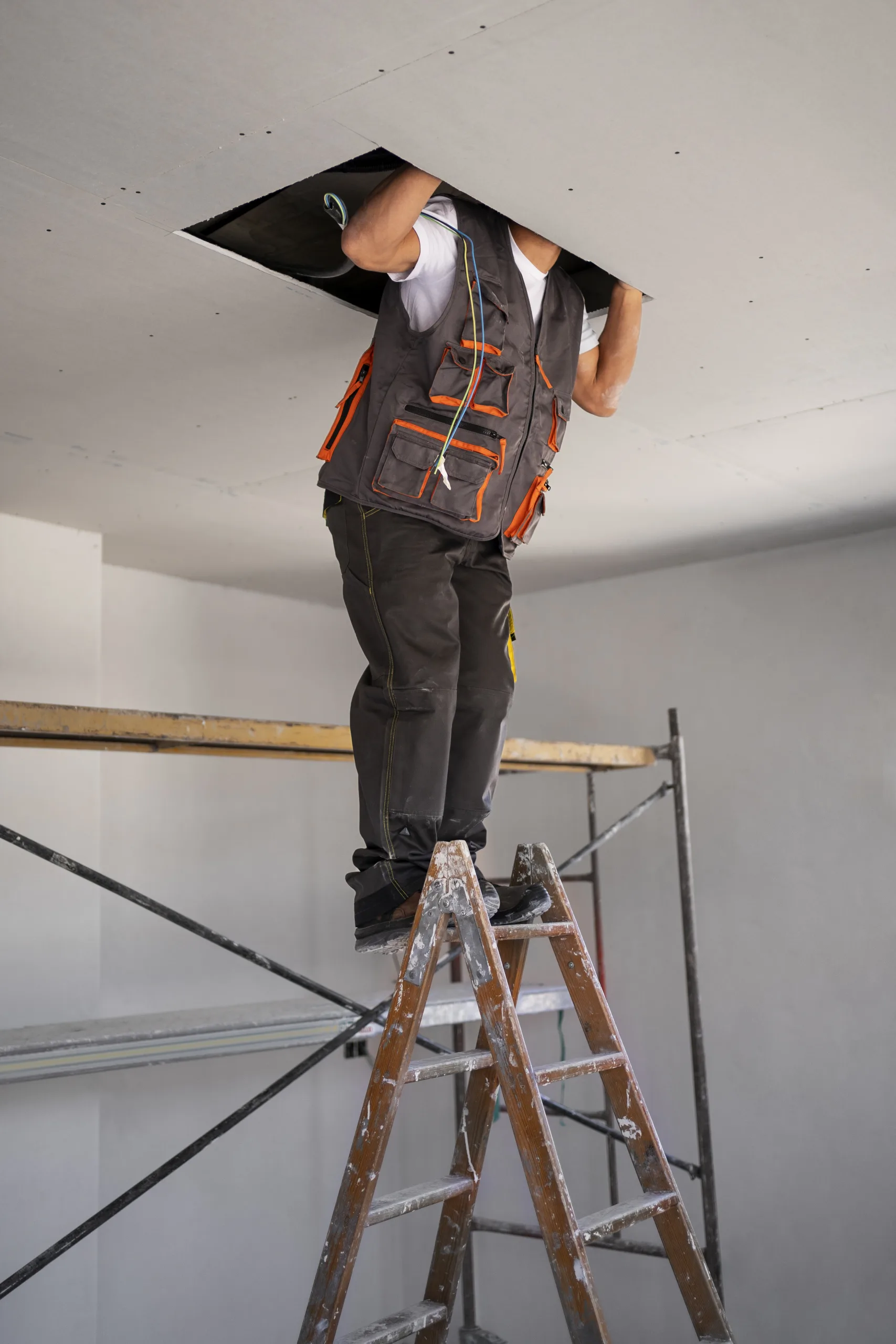
Electrical, Data, and Lighting
This includes:
Smart lighting and energy-efficient systems may cost more upfront but save money long term.
Plumbing and Pantry Areas
Pantries, washrooms, and coffee stations increase costs due to water supply, drainage, and waterproofing requirements.
Furniture, Fixtures, and Equipment (FF&E)
Workstations and Seating
Ergonomic chairs, adjustable desks, and durable finishes increase cost but improve productivity and employee well-being.
Meeting Rooms and Collaboration Areas
AV systems, acoustic treatments, and custom tables add to the budget but are critical for modern offices.
Technology and Smart Office Features
Smart access control, room booking systems, and integrated AV setups are becoming common. These features add upfront cost but future-proof the workspace.
Compliance, Approvals, and Authority Fees
Most refurbishments require approvals from building management and local authorities. These fees are often fixed but must be included in the budget.
Project Management and Professional Fees
Project managers coordinate timelines, contractors, and budgets. Their fees typically range from a small percentage of the total cost but can save significant money by preventing delays and mistakes.
Hidden Costs People Often Forget
Commonly missed costs include:
These can quietly push budgets higher if not planned early.
How Office Refurbishment Costs Are Usually Quoted
Costs are typically presented as:
Each has its pros and cons depending on project complexity.
Typical Cost Per Square Foot Explained
While prices vary by region and quality level, office refurbishment costs often fall into low, medium, and high ranges depending on finish, scope, and services involved.
Always treat averages as guidelines, not guarantees.
How to Reduce Office Refurbishment Costs Without Cutting Quality
Smart ways to control cost include:
-
Retaining existing layouts where possible
-
Choosing durable mid-range finishes
-
Phasing the project
-
Investing in good design upfront
Cheap shortcuts usually cost more later.