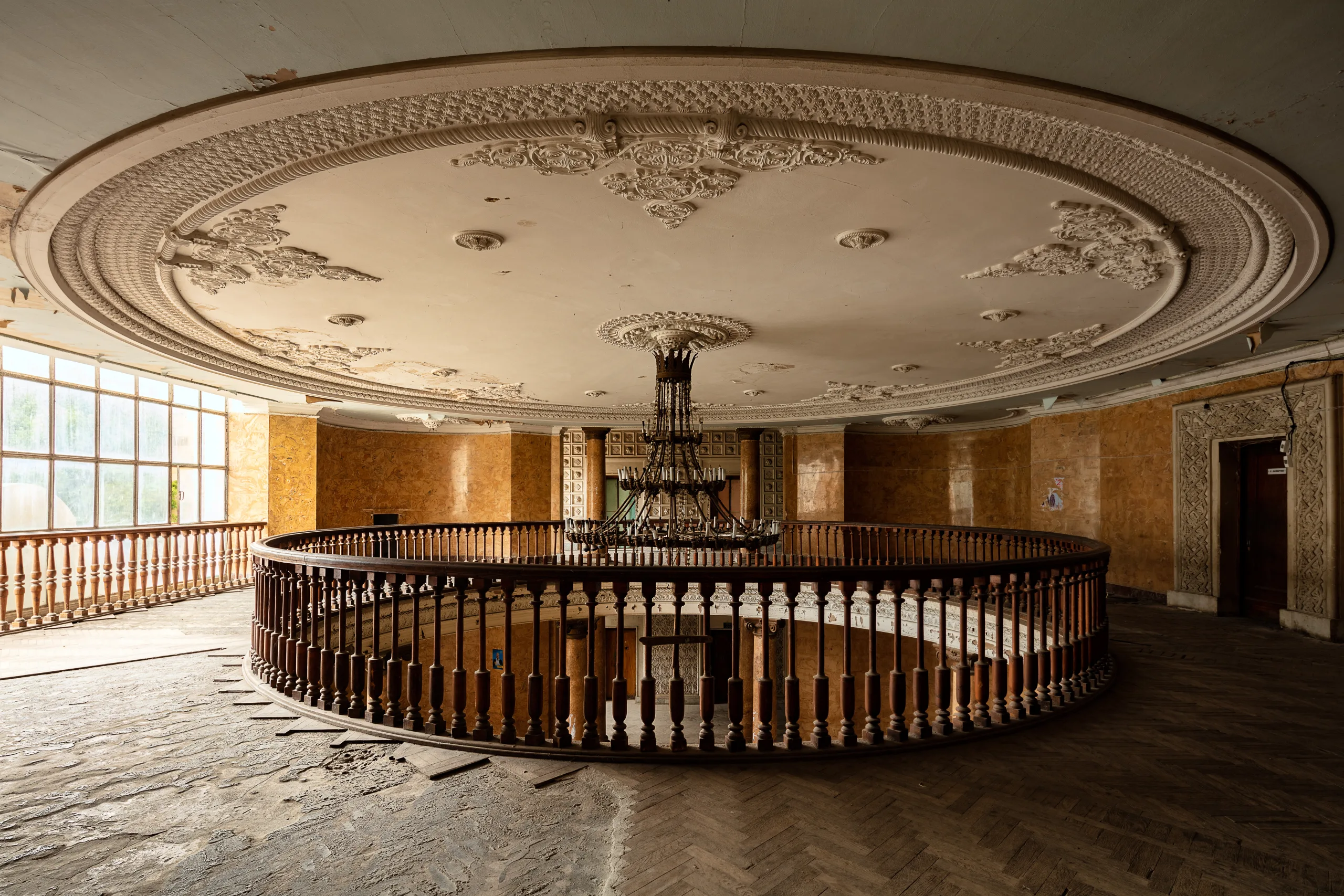
Luxury design is often quiet. It’s in the details, the soft transitions, the “nothing is shouting but everything is confident” vibe.
Lighting and colour are the easiest ways to create that vibe because they touch everything at once.
The psychology of light and pigment
Here’s the quick mental shortcut:
-
Warm light + warm colours = cozy, flattering, intimate
-
Neutral light + balanced colours = clean, modern, gallery-like
-
Cool light + cool colours = crisp, sharp, sometimes clinical
Luxury homes usually lean warm to neutral, then add contrast with deeper tones or tactile materials.
Start With the Mood, Not the Fixtures
Before you choose a chandelier or argue about beige vs off-white, start here:
How do you want the home to feel at 8:30 PM?
Because that’s when you actually live in it.
What do you want the space to “say”?
Pick 2–3 mood words per room. For example:
-
Living room: warm, social, grounded
-
Bedroom: soft, calm, cocooning
-
Dining: dramatic, intimate, elevated
-
Bathroom: fresh, spa-like, serene
Now every lighting choice and colour choice gets easier. If it doesn’t match the mood, it doesn’t get in.
A simple mood-mapping method
Try this:
-
Choose your mood words
-
Pick your main colour family (warm neutral, cool neutral, earthy, jewel tones)
-
Decide your lighting vibe (soft glow, crisp clarity, dramatic contrast)
-
Only then choose decorative fixtures
It’s like building a playlist before you buy speakers.
The 3 Layers of Lighting Every Luxury Home Needs
Luxury lighting isn’t “bright.” It’s layered.
If your room has one ceiling light doing all the work, it will never feel premium. It will feel like a classroom.
Ambient lighting
This is the foundation. It’s your overall glow.
Examples:
Task lighting
This is functional lighting where you need clarity.
Examples:
Accent lighting
This creates depth and drama.
Examples:
The “fourth layer”: decorative lighting
Decorative lighting is where luxury really shows up. This is the piece that says, this home has taste.
Examples:
-
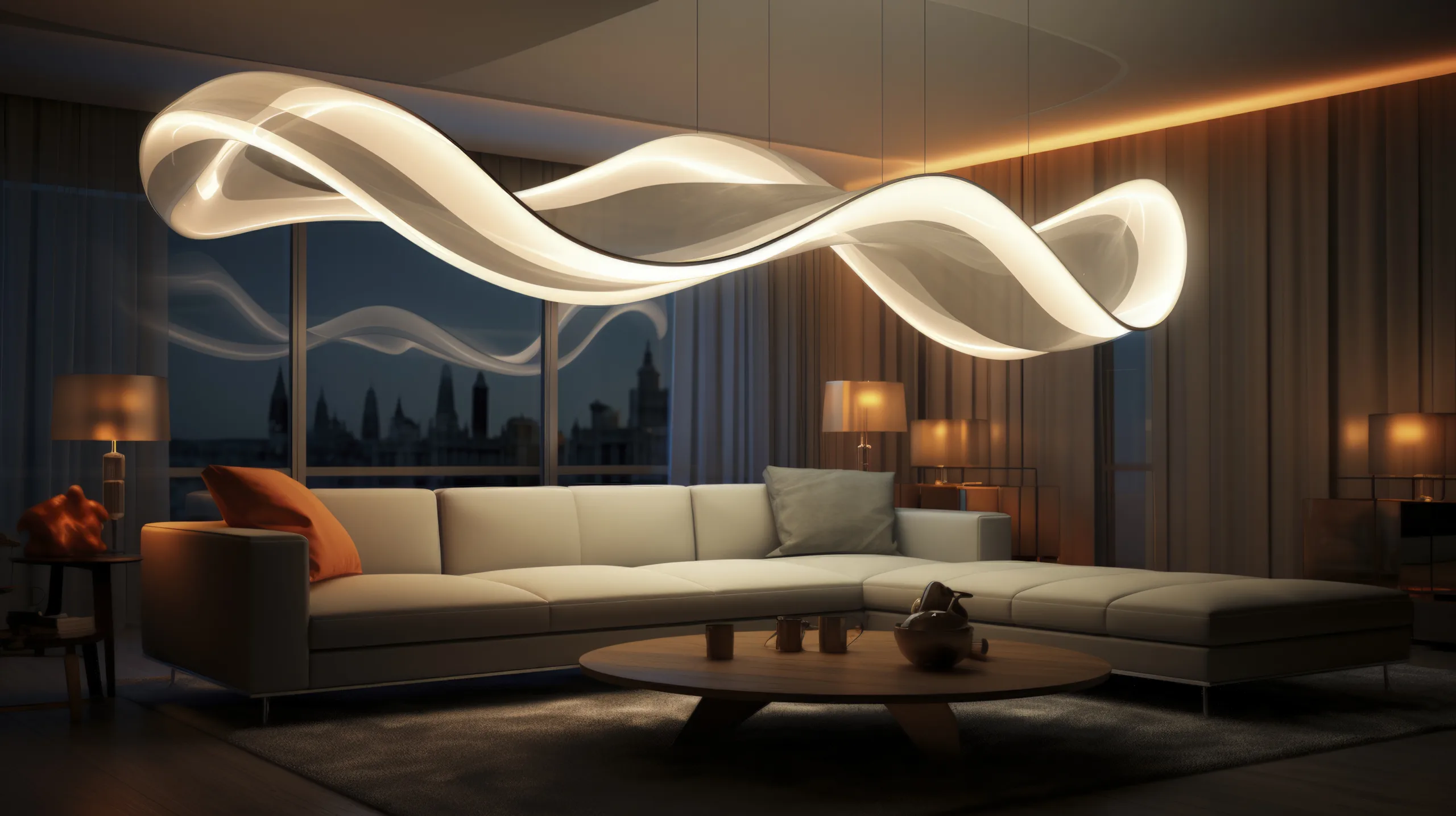
Statement chandeliers
-
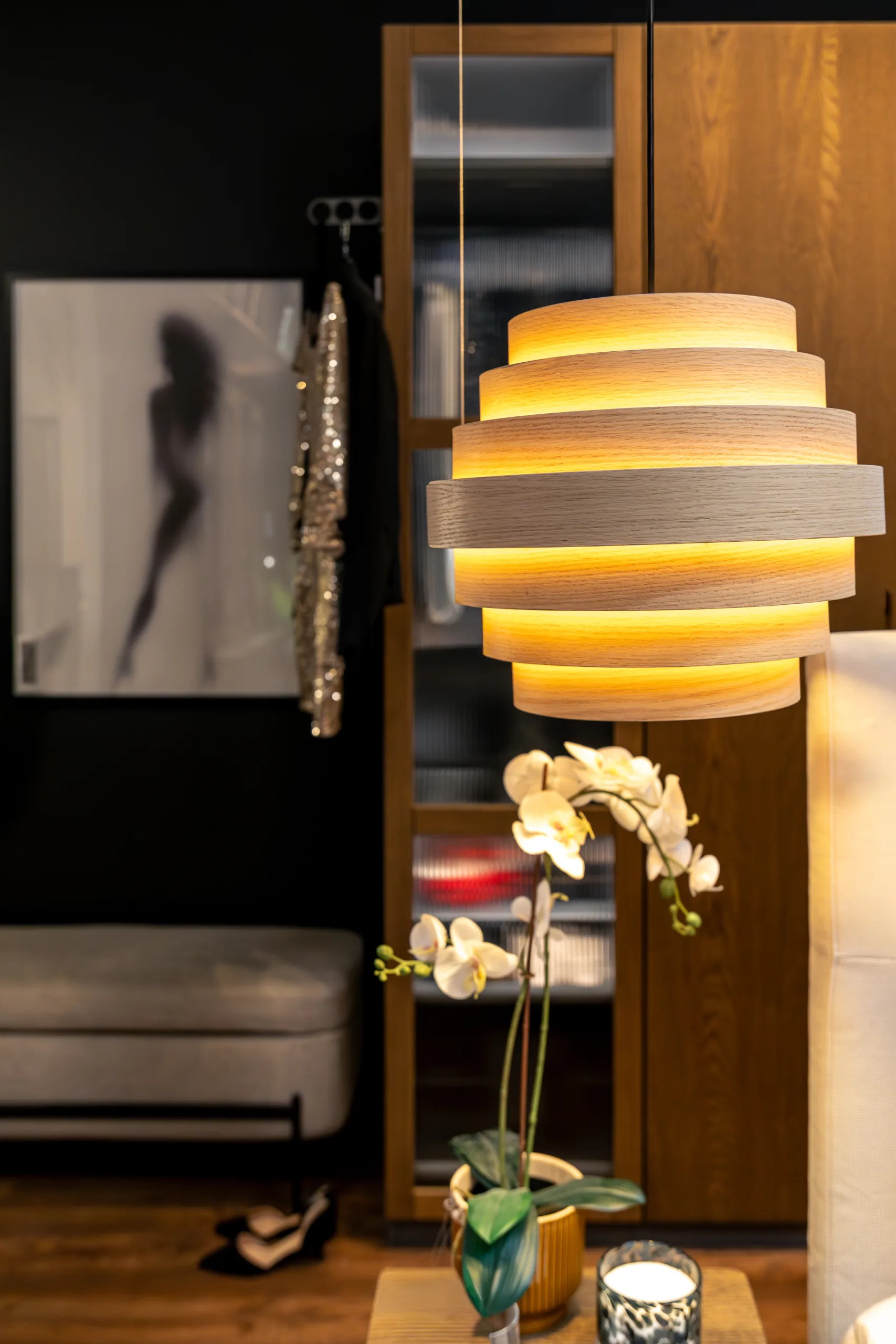
Sculptural pendants
-
Designer sconces
-
Oversized floor lamps
Decorative Lighting as Jewelry
A luxury home treats decorative lighting like accessories. Not too many. Just the right ones.
Statement chandeliers
Chandeliers aren’t just for dining rooms anymore. They work beautifully in:
Tip: The most expensive-looking chandeliers usually have simple forms and high-quality materials, not a thousand crystals screaming for attention.
Sculptural pendants
Pendants are amazing when you want visual rhythm.
Use them:
-
Over kitchen islands (in pairs or threes)
-
Beside the bed instead of table lamps
-
Over a dining table as the centerpiece
Pro move: choose pendants that look good even when they’re off. In daylight, they’re basically sculpture.
Wall sconces
Sconces are underrated luxury tools because they create that soft “hotel suite glow.”
Great for:
Floor and table lamps
These add warmth, softness, and “lived-in luxury.”
A room with only ceiling lights can feel staged. Lamps make it feel real, like someone with good taste actually lives there.
The Golden Rule: Lighting Temperature (Kelvin)
If luxury had a cheat code, it would be this: match your Kelvin temperature across the home.
Random mixes of warm and cool light are one of the biggest reasons spaces feel off.
Warm vs neutral vs cool
-
2700K–3000K: warm, cozy, flattering (luxury favorite)
-
3500K–4000K: neutral, clean, modern (use carefully)
-
5000K+: cool, clinical (avoid for homes unless specific task areas)
The best Kelvin ranges by room
-
Living room: 2700K–3000K
-
Dining room: 2700K (dimmer-friendly)
-
Bedroom: 2700K (soft and calming)
-
Kitchen: 3000K–3500K (balanced clarity)
-
Bathroom: 3000K–3500K (flattering but functional)
-
Hallways: 2700K–3000K
And yes, dimmers make everything better.
Colour Schemes That Feel Expensive
Luxury colour isn’t always “neutral.” But it is almost always intentional.
Here are palettes that consistently feel premium.
Monochrome luxury
This is when you use one colour family in multiple shades.
Example:
-
warm whites, creams, sand, camel, caramel
It feels expensive because it’s cohesive and calm, like a well-tailored suit.
Tonal neutrals
This is the “quiet luxury” classic:
-
beige, greige, taupe, stone, soft white
The magic is in undertones and contrast. You can’t just pick random neutrals. They have to belong to the same family.
Deep, moody palettes
If you want drama without chaos:
-
charcoal, espresso, deep olive, navy, oxblood
These look insane (in a good way) when paired with warm lighting and rich textures like velvet, wood, leather, or stone.
Soft colour-wash palettes
For airy luxury:
These work best with neutral lighting and clean lines. Think modern villa energy.
Matching Lighting to Colour Without Guesswork
This is where most people mess up.
A paint colour can look perfect on a sample card, then look totally different once it’s on the wall at night.
Undertones explained simply
A “white” isn’t just white. It might lean:
-
yellow (warm)
-
pink (warm)
-
green (earthy)
-
blue (cool)
-
grey (neutral)
Your lighting will either flatter that undertone or expose it in an ugly way.
How light changes paint at night
Warm light can make warm paint look richer… or make it look yellow.
Cool light can make neutrals look crisp… or make them look icy.
The “sample at sunset” test
Paint a large sample (at least A3 size) and look at it:
If it still looks good at night, you’re safe.
Room-by-Room Playbook
Let’s get practical.
Living room
Goal: layered warmth, inviting glow.
Lighting:
Colour schemes:
-
warm neutrals with black accents
-
earthy tones with brass details
-
moody charcoal with warm wood
Dining room
Goal: intimacy, drama, focus.
Lighting:
Colour schemes:
Kitchen
Goal: clean, functional, still luxurious.
Lighting:
Colour schemes:
Bedroom
Goal: softness and calm.
Lighting:
Colour schemes:
Bathroom
Goal: spa energy, flattering light.
Lighting:
Colour schemes:
Hallways and entry
Goal: first impression, gallery vibe.
Lighting:
Colour schemes:
Materials That Multiply Luxury
Lighting isn’t just light, it’s what the fixture is made of and how it reflects.
Metal finishes (brass, chrome, black)
-
Brass: warm, timeless, expensive feel
-
Chrome/Nickel: crisp, modern, “clean luxury”
-
Matte black: bold, architectural, best as an accent
Tip: Don’t mix too many metals in one space. Two is usually plenty.
Glass, stone, fabric shades
-
Opal or frosted glass gives soft, flattering glow
-
Stone (alabaster look) feels ultra high-end
-
Fabric shades create warmth and softness
Reflective surfaces and how to use them
Mirrors, glossy finishes, polished stone, and metallic accents can bounce light around and make rooms feel bigger.
But use them like perfume. A little goes a long way.
Common Mistakes That Kill the Luxury Feel
Luxury is often about what you don’t do.
Over-lighting
If everything is equally bright, nothing feels special. Luxury needs shadows and softness.
Mismatched colour temperatures
One room is warm, the next is icy, the next is neutral. That inconsistency makes a home feel unplanned.
“One big light” syndrome
A single ceiling fixture trying to do everything is the fastest way to make a luxury interior look average.
Smart Lighting for Luxury Living
Smart lighting is not a gimmick when it’s done right. It’s comfort.
Dimmers everywhere
If you do one thing, do this. Dimmers are basically mood control.
Scenes and zoning
Set scenes like:
-
“Entertain” (warm, bright-ish, flattering)
-
“Relax” (low, soft, cozy)
-
“Night” (pathway lighting only)
Hidden lighting and controls
Luxury is often invisible. Hidden cove lighting, toe-kick lighting, backlit shelves, and discreet switches make everything feel considered.
A Simple Checklist Before You Buy Anything
Lighting plan
-
Do you have ambient, task, accent, decorative?
-
Are your Kelvin temperatures consistent?
-
Do you have dimmers and zones?
Colour plan
-
What’s your mood per room?
-
Are your undertones aligned?
-
Did you test paint at night?
Budget priorities
If money is tight, invest in:
-
Layered lighting and dimmers
-
One hero decorative fixture per main space
-
Paint and finishes with correct undertones
You can upgrade furniture later, but lighting and colour set the foundation.