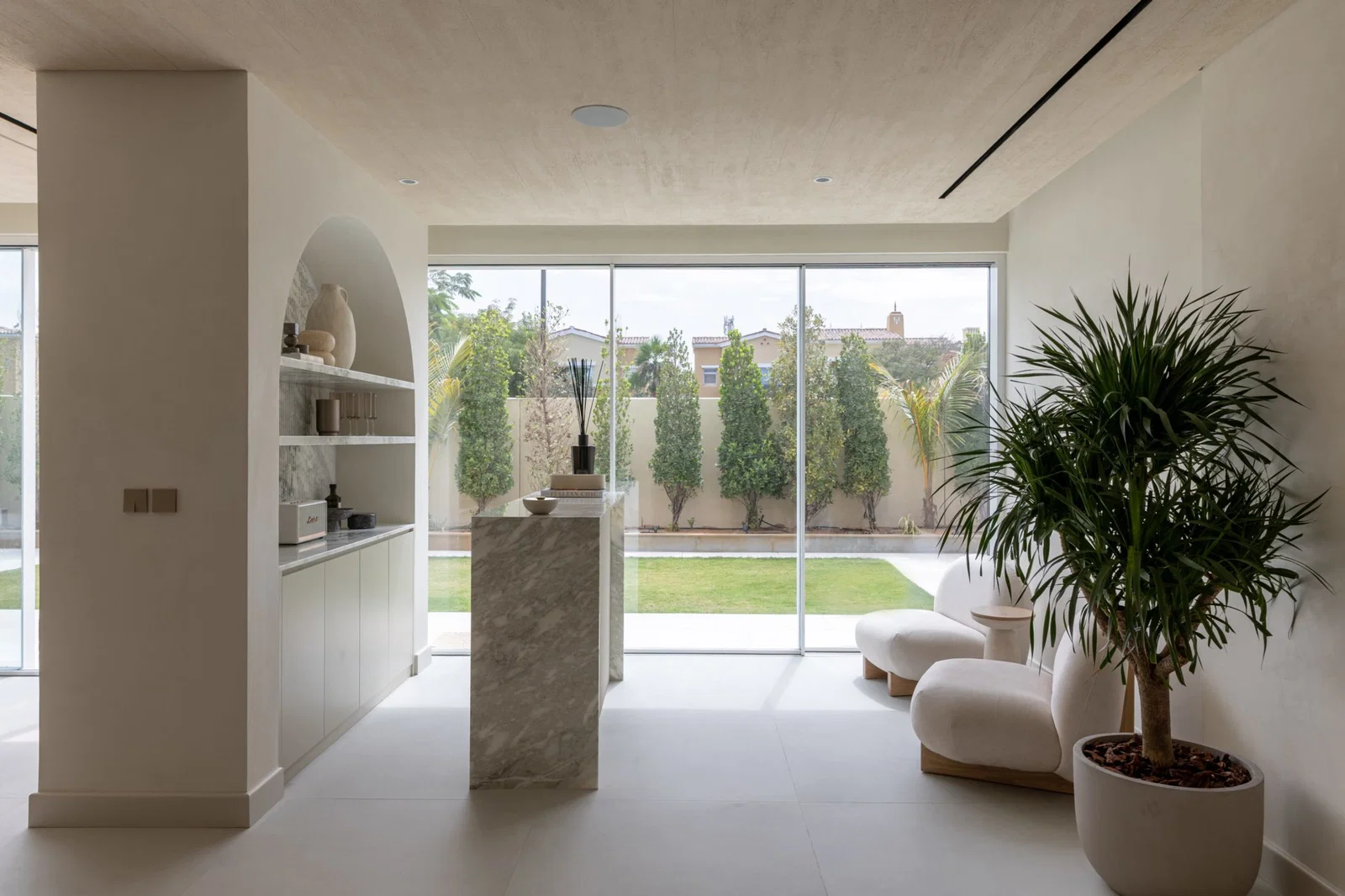
Think of it like tailoring. A badly tailored suit can be made from expensive fabric and still look wrong. A medical spa can use marble, soft lighting, and expensive furniture, then still miss the point if the emotional message is off.
The right philosophy says the space should reassure before it impresses. It should communicate, “you are in safe hands,” before it communicates, “this place is luxurious.” Once that foundation is in place, the luxury lands better anyway.
Clients do not want dramatic interiors that make them nervous about hygiene, privacy, or professionalism. They want a space that feels composed.
Calm proportions, restrained detailing, clear circulation, and quiet confidence do more for perceived quality than overdesigned statements. In 2026, tasteful restraint is not boring, it is a trust signal.
That is why the most effective medical spas are starting to look less like trend-driven beauty spaces and more like beautifully edited wellness environments with real procedural credibility behind them.
Plan the Patient Journey Before Choosing Finishes
A lot of interiors fail because they are designed as photographs instead of experiences. They look polished in a render, but once a real client walks in, the cracks show immediately.
Reception gets crowded, consultation rooms feel exposed, treatment rooms are too bright, waiting areas are awkward, and staff circulation cuts through the guest experience. The smarter move is to map the patient journey first.
For a medical spa, that usually means looking closely at the sequence from arrival to check-in, waiting, consultation, treatment, post-treatment recovery, retail, checkout, and exit. Each step carries a different emotional state. Arrival is about first impressions and orientation.
Consultation is about trust and clarity. Treatment is about privacy and control. Recovery is about comfort and gentle reassurance. Design should respond to that rhythm.
This is where wayfinding becomes one of the most underrated design tools in the whole project. Healthcare research shows that first impressions during admission and clear orientation affect satisfaction and trust.
The Studio by DH also points to clear wayfinding and thoughtful zoning as core healthcare design principles. In practice, that means clients should never have to wonder where to sit, where to go next, or whether they are walking into a staff zone by mistake.
Good wayfinding does not need giant signs screaming from every wall. It can come from layout logic, lighting cues, floor pattern changes, framed views, discreet signage, and furniture placement that quietly guides behavior.
A well-designed medical spa should feel intuitive, almost like the space is leading the client by the hand without making a fuss about it. That invisible ease is one of the clearest markers of premium design because it removes friction before the client has to name it.
Get Zoning Right
If the patient journey is the script, zoning is the stage management. Medical spas work best when public, semi-private, private, and staff-only areas are clearly defined, both visually and operationally.
Reception and waiting need openness, but not exposure. Consultation rooms need enough softness to encourage honest conversation, but enough order to feel professional. Treatment rooms need privacy, technical readiness, and the ability to shift mood depending on the procedure.
Recovery corners or post-treatment lounges should feel protected and low-stimulation. Then there is the other side of the operation, the one clients ideally do not notice at all: storage, sterilization support, staff prep, laundry handling, back-of-house circulation, and replenishment.
When that hidden infrastructure is weak, even the nicest front-end design starts to feel messy and underpowered.
The Studio by DH’s clinic guidance emphasizes workflow alongside polish, and that is exactly the right lens for 2026.
A medical spa cannot rely on looks alone because the service model is too layered. You may have injectables, laser rooms, facials, skin consultations, retail recommendations, and follow-up touchpoints happening in the same footprint.
That requires spatial logic. Public-facing elegance should sit on top of operational discipline. One useful way to think about zoning is this: front-of-house should feel effortless, middle zones should feel private and composed, and back-of-house should feel fast and efficient.
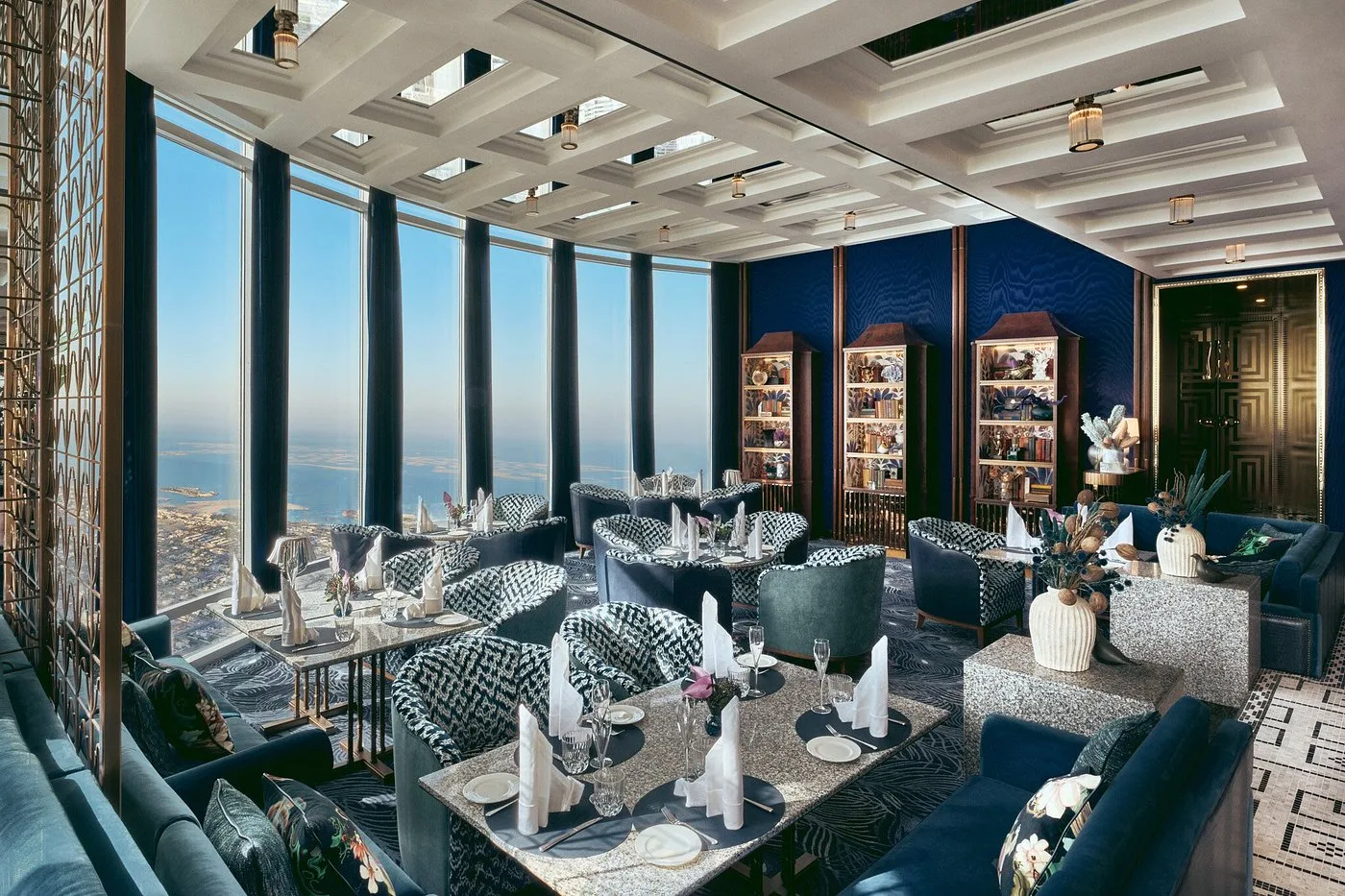
The client should experience serenity, while the team experiences functionality. When both happen at once, the brand feels expensive in the best possible way. Not because every surface is flashy, but because the entire system feels controlled. That kind of control is what clients often read as true luxury.
Use Lighting as a Therapeutic Tool
Lighting can make a medical spa feel elevated, or it can ruin the whole experience in seconds. Flat overhead brightness is one of the fastest ways to make a space feel harsh and generic.
On the other hand, lighting that is too dim can compromise procedures, cleaning visibility, and clinical confidence.
The answer is not choosing one mood, it is layering light according to use. Reception areas often benefit from a softer, warmer ambient base with focused feature lighting that adds depth.
Consultation rooms need flattering light that supports conversation and skin assessment without making people feel overexposed.
Treatment rooms need adjustable settings because a laser session, injectable consultation, facial treatment, and post-procedure rest do not all require the same visual environment. Flexibility matters more than drama.
This is also where medical spas can borrow intelligently from wellness design trends without turning theatrical. The Global Wellness Institute’s 2025 design trends highlight growing interest in environments that support better rest, deeper calm, and more meaningful sensory experiences.
The Studio by DH’s spa content similarly points to lighting as part of the calming formula, alongside sound control, scent, and carefully planned layouts.
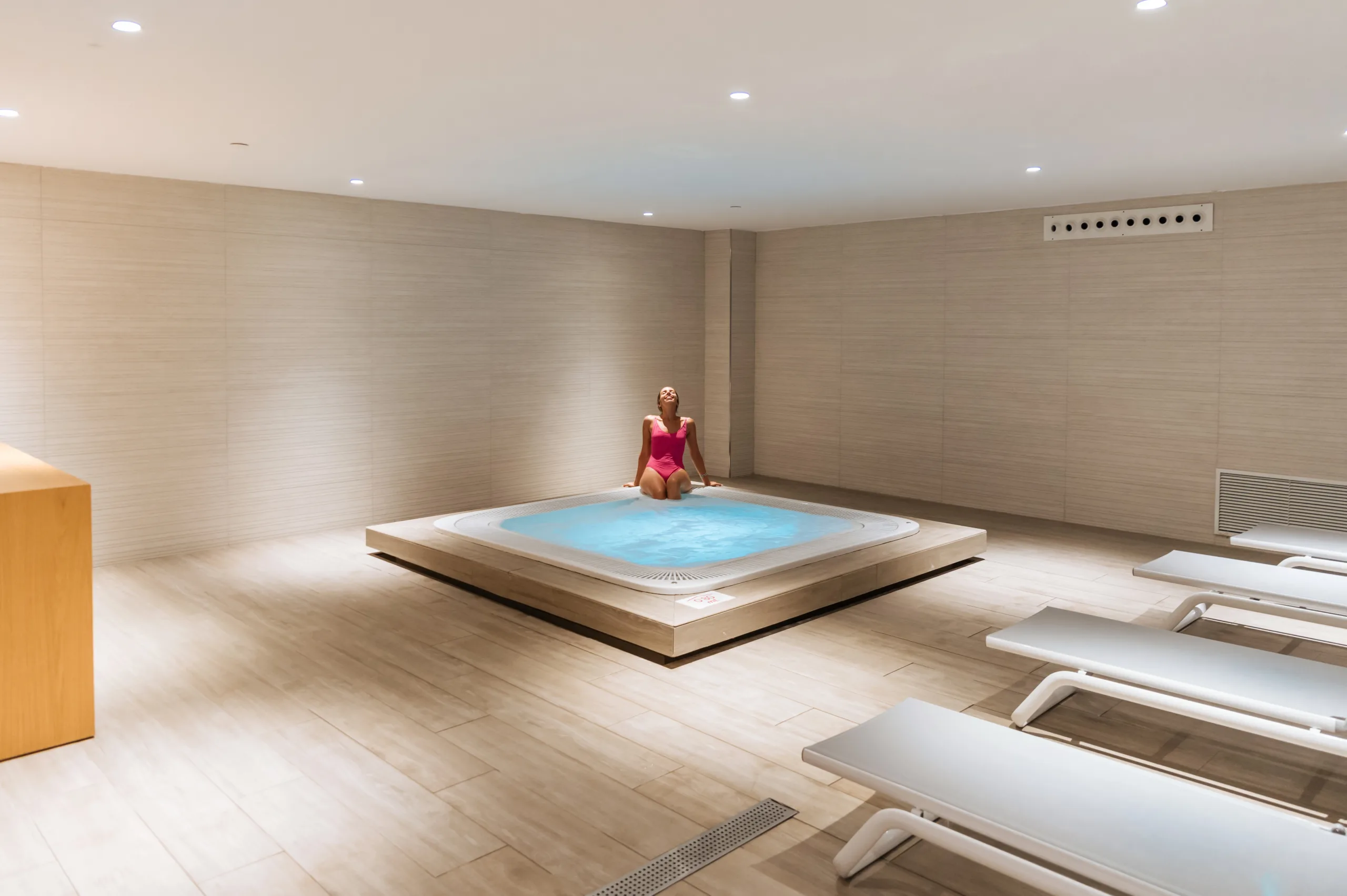
In a medical spa, that translates into light that supports the nervous system rather than attacks it. Think layered wall washing, soft concealed strips, task lighting where precision matters, and warmer tones in non-clinical guest areas.
The goal is not “moody” for the sake of trendiness. It is modulation. A good lighting plan lets the space move with the patient’s emotional state, from alert and informed during consultation to relaxed and grounded during treatment and recovery. In 2026, lighting is no longer just part of the look. It is part of the treatment atmosphere itself.
Choose Materials That Feel Premium and Perform Hard
Material selection is where many medical spas either become memorable or immediately predictable. The old formula of glossy white finishes, mirrored accents, and cold stone is losing ground, especially in markets like Dubai where clients already understand luxury and expect nuance.
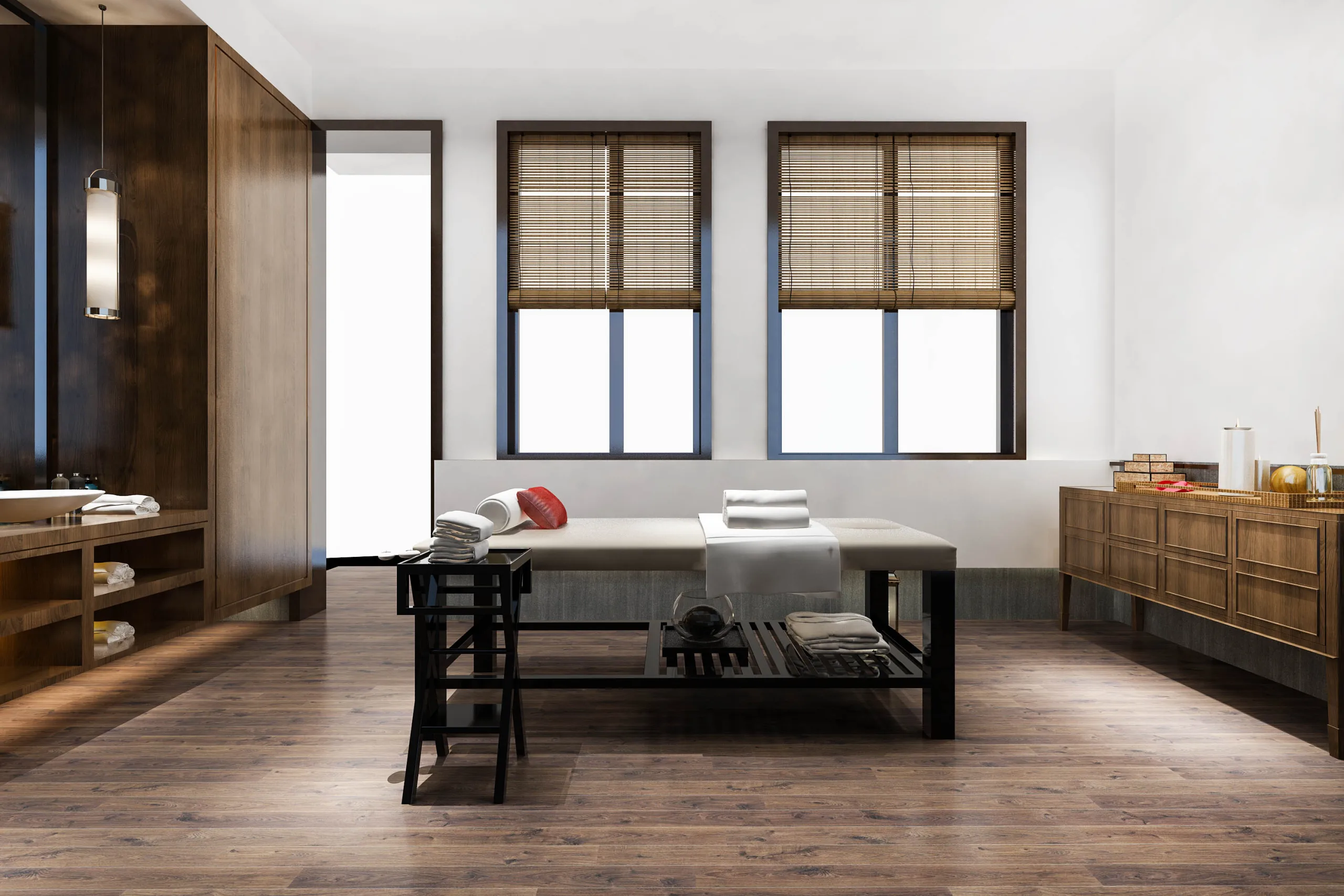
The Studio by DH’s spa guidance points toward stone, wood, clay plaster, and linen-like textures because they create sensory comfort and connect interiors to nature. That matters in a medical spa because natural texture can soften the medical edge without undermining professionalism.
Warm timber tones, tactile plaster, matte stone, brushed metal, and softly textured upholstery can all make a space feel more grounded and less intimidating. When done well, these materials signal refinement without shouting.
Still, aesthetics cannot be separated from performance. In healthcare environments, the setting itself affects a client’s sense of safety and dignity, and cleanliness remains a core part of that experience. So every “beautiful” material also needs to survive cleaning protocols, traffic, equipment movement, and long-term wear.
This is where the design brief needs maturity. Not every natural-looking finish is practical, and not every clinical-grade finish has to look soulless. The best palettes mix durable, hygienic surfaces with softer visual layers.
You might use performance stone or porcelain in high-contact zones, antimicrobial or easy-clean textiles where appropriate, rounded edges for a gentler profile, and fewer visual seams where dirt and visual noise tend to accumulate.
The Studio by DH’s clinic article talks about premium yet durable finishes, and that phrase really captures the goal. In 2026, good materiality is not about choosing between luxury and practicality. It is about making them work so closely together that the client stops noticing the distinction.
Acoustics, Scent, and Sensory Calm
Most people can describe a beautiful room. Far fewer can explain why some spaces lower their guard the second they walk in. That is usually because the design is doing its job on a sensory level.
The Studio by DH’s spa article is especially useful here because it identifies sound control, scent design, lighting, natural textures, and spatial layout as the ingredients that shape how guests feel.
For medical spas, acoustics may be the most neglected of the lot. Hard surfaces, open ceilings, noisy reception desks, machine sounds, and corridor echo can create low-level stress even when the room looks polished.
Healthcare research also points to reduced noise and access to supportive environments as part of a better care experience. In other words, calm is not just visual. It is audible.
That is why acoustic design should be treated as essential, not optional. Soft wall panels, acoustic ceilings, upholstered seating, layered curtains where relevant, quieter HVAC choices, and better room-to-room insulation can completely change how premium a space feels. Scent, meanwhile, works best when it is subtle and brand-led rather than overpowering.
A medical spa should never smell like it is hiding something, and it should not smell like a hotel lobby either.
Clean, soft, barely-there signatures usually work better because they support memory without distracting from trust.
Add to that tactile comfort, gentle transitions between spaces, and small rituals like tea service or product presentation, and suddenly the interior begins to feel coherent rather than simply decorated.
In 2026, the medical spas that stand out will be the ones that understand an overlooked truth: the nervous system notices everything, even when the client cannot fully articulate what feels good.
The 2026 Look for Medical Spas in Dubai
So what does a medical spa actually look like in 2026 if it wants to feel current without becoming trendy in a way that ages badly?
The answer is not a single style, but there is a clear direction emerging. Cold luxury is fading. Warm minimalism is winning.
Spaces are becoming quieter, more tactile, more grounded, and more emotionally intelligent. That aligns with both broader wellness design thinking and The Studio by DH’s own design language around calm, clarity, and material depth.
The Global Wellness Institute’s trend reporting shows a wider industry move toward environments that prioritize meaningful wellbeing, sustainability, and human-centered experiences.
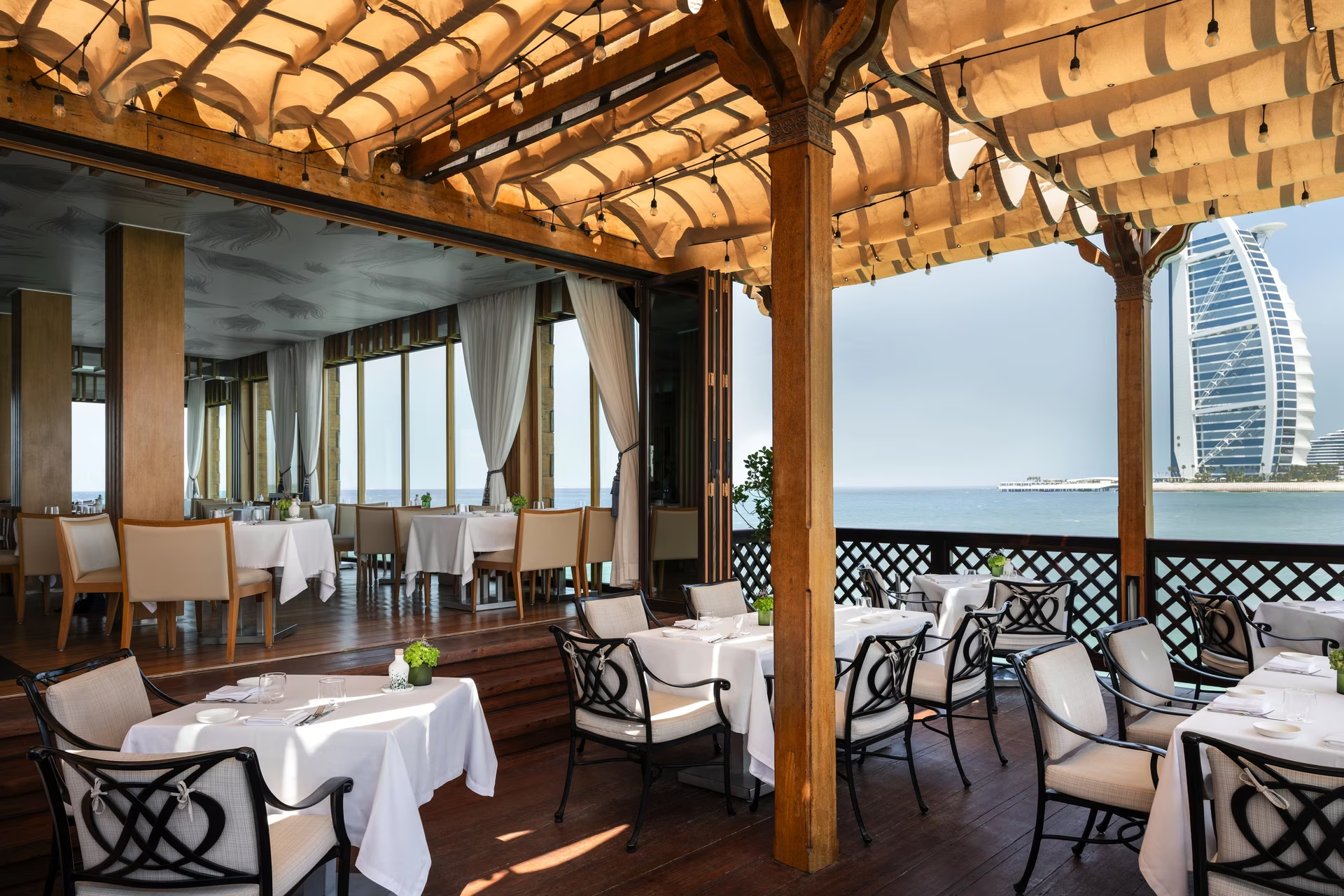
In spa design specifically, the conversation is also shifting toward sustainability, inclusivity, and immersive wellness. For Dubai, this lands especially well because the market already understands luxury, so what feels fresh now is not excess, it is restraint with intelligence behind it.
Biophilic touches are becoming more sophisticated too. Instead of dropping in a few decorative plants and calling it wellness, designers are using daylight, natural materials, organic forms, muted earth palettes, and subtle references to nature to make spaces feel restorative. Wellness technology is also being absorbed more quietly into design.
Clients want convenience and precision, but they do not always want the room to look like a machine.
The Studio by DH’s clinic article notes that technology should make visits feel simple, not clinical, and that line should probably be pinned to the wall of every medical spa planning meeting.
The best 2026 interiors will integrate tech invisibly, hide clutter aggressively, and create rooms that photograph beautifully without sacrificing operational logic.
That balance is what makes a med spa feel both modern and lasting. It is not trying too hard. It is simply designed with enough intelligence that everything feels intentional.
Key Design Priorities at a Glance
| Design Element |
What Clients Feel |
What the Business Gains |
| Clear zoning |
Privacy, ease, confidence |
Better flow, fewer disruptions |
| Layered lighting |
Calm, comfort, trust |
More versatile rooms |
| Durable premium materials |
Cleanliness, quality, luxury |
Lower maintenance risk |
| Acoustic control |
Relaxation, discretion |
Better overall experience |
| Biophilic detailing |
Warmth, restoration |
Stronger brand differentiation |
| Intuitive wayfinding |
Less anxiety, less confusion |
Smoother operations |
| Invisible tech integration |
Modern convenience |
Better service delivery |
The table above sums up the real point of medical spa design in 2026. Every strong design choice should improve two things at once: how the client feels and how the business performs.
That is the mindset that separates pretty interiors from genuinely effective ones. It is also why the best medical spa projects are rarely the loudest.
They are the ones where the layout flows, the atmosphere settles the client, the rooms work hard behind the scenes, and the brand feels unmistakable without forcing the issue. That is a much more sophisticated target than chasing whatever look is trending on social media for six months.