Sustainability and story in one go
Vintage decor is basically recycling, but prettier.
You are giving existing items a second life instead of buying everything brand new.
That helps the planet, and it also gives your space depth, because every vintage piece comes with a past.
Maybe that mirror hung in someone’s entryway for decades.
Maybe that sideboard lived through a few family dinners.
You do not always know the exact story, but you can feel that there is one, and it adds emotional weight to your decor.
Defining Your Vintage Style Before You Start
Retro, antique, or just “old looking”?
“Vintage” is a big umbrella.
It can mean:
-
Mid century modern from the 50s and 60s
-
Funky retro from the 70s or 80s
-
More classic, antique style pieces
-
Rustic farmhouse items
-
Industrial metal and wood furniture
If you grab a bit of everything, you might end up confused.
Before you start collecting, ask yourself:
-
Do I like cleaner lines, or more ornate details?
-
Do I prefer darker wood, lighter wood, or painted finishes?
-
Do I want my place to feel cozy, glamorous, or minimalist with just a few older accents?
Knowing the vibe helps you say “yes” or “no” faster when you see something.
Creating a simple mood board for direction
You do not need design software.
Just:
-
Save photos on Pinterest or in your phone gallery
-
Screenshot rooms that make you think “I could live there”
-
Notice what repeats: similar chairs, mirrors, color palettes, patterns
This becomes your filter.
If a piece does not fit this general mood, you leave it.
That way, your vintage choices feel intentional instead of random.
Start Small – Easy Vintage Pieces for Beginners
If you are nervous to commit to a big vintage sofa, start with low risk items.
Textiles that quietly change the mood
Try:
-
A vintage rug in the living room or bedroom
-
Patterned cushions with old world prints
-
A quilt or woven throw draped over a modern sofa
Textiles are soft, easy to swap, and they instantly add character without overpowering the room.
Lamps, mirrors, and small decor accents
Vintage lighting is gold, literally and metaphorically.
A brass floor lamp, a glass table lamp, or a quirky bedside lamp can transform a corner.
Mirrors are another safe bet.
A vintage gilded mirror over a modern console or above a sofa gives immediate personality.
Smaller decor pieces you can try:
These are ideal for getting comfortable with the look.
Vintage art and prints for instant personality
Bare walls make an apartment feel temporary.
Vintage art, even if it is not expensive, makes your place feel anchored.
You can try:
Put them in simple modern frames, or keep the old frame for extra charm.
Mixing Vintage Furniture With Modern Pieces
The 80 / 20 balance rule
A helpful guideline: around 70 to 80 percent of your space can be modern, 20 to 30 percent can be vintage.
That keeps the room feeling fresh, not heavy.
If everything is vintage, your apartment might feel like a period film.
If everything is new, it can feel flat.
The mix is where the magic happens.
Choosing one hero vintage piece per room
Pick a star. In each room, choose one main vintage piece that grabs attention:
-
A coffee table in the living room
-
A headboard or nightstand in the bedroom
-
A dining table or sideboard in the dining area
Then keep the surrounding furniture simpler and more modern.
This contrast lets your vintage piece shine instead of getting lost.
How to avoid the “grandma’s attic” look
You sidestep the dusty vibe by:
-
Pairing vintage pieces with clean, simple lines elsewhere
-
Using plenty of natural light or good lighting
-
Keeping clutter under control
-
Mixing in modern materials like glass, metal, or simple upholstery
Vintage is a seasoning, not the whole dish.
Room by Room – Practical Vintage Ideas for Apartments
Living room vintage ideas
-
Vintage coffee table: A wooden chest, trunk, or mid century table can become the centerpiece.
-
Side tables: Old nesting tables or a small writing desk can act as a side table.
-
Media console: An old sideboard or cabinet can hold your TV and electronics while still looking stylish.
Layer with a vintage rug and some older framed art, and your living room instantly gains depth.
Bedroom vintage ideas
-
Bedside tables: Mismatched vintage nightstands look charming as long as the height is similar.
-
Headboard: A vintage wooden headboard or even an old door repurposed as a headboard adds drama.
-
Dresser: A solid wood dresser with original hardware looks fantastic next to simple bedding and modern lighting.
Keep bedding and curtains simple and light so the room stays calm, not busy.
Kitchen and dining vintage ideas
-
Dining chairs: Mix a set of vintage chairs with a simple modern table, or use a vintage table with modern chairs.
-
Open shelves: Display vintage plates, glassware, or jars on open shelving.
-
Small accents: Old tins, ceramic pitchers, or vintage cookbooks on display can bring a warm, lived in feel.
Just remember, kitchens are hardworking spaces, so keep surfaces practical.
Entryway and hallway touches
-
A vintage console table or bench near the door
-
A small antique mirror above a modern shoe cabinet
-
Vintage hooks or a coat stand
These small touches make the first impression of your apartment feel thoughtful and welcoming.
Color, Pattern, and Texture – Making Vintage Feel Intentional
Building a color palette around your vintage finds
If you already own a special vintage piece, let it guide your colors. For example:
-
A vintage rug with deep reds and blues
-
A chair with mustard and green upholstery
-
A painting with muted pastels
Pull two or three colors from that piece and repeat them in cushions, throws, art, or accessories. This repetition ties everything together.
Mixing patterns without visual chaos
Patterns are fun until they start shouting at each other. A simple way to manage them:
-
Vary the scale: one large pattern, one medium, one small
-
Stick to a limited color palette
-
Keep some solid, plain fabrics between them so the eye can rest
For example, a detailed vintage rug, simple neutral sofa, a couple of patterned cushions, and solid curtains.
Using texture to make things feel warm, not cluttered
Vintage decor shines through texture:
-
Worn wood
-
Aged leather
-
Linen or cotton fabrics
-
Woven baskets
If your modern pieces are glossy or sleek, vintage texture balances them and makes the room feel more grounded.
Where To Find Good Vintage Pieces (Without Going Broke)
Thrift stores, flea markets, and online platforms
You do not need fancy antique shops. Try:
Search with specific terms like “mid century sideboard” or “vintage rug” instead of just “table” or “chair” so you do not drown in options.
Family hand me downs and “shopping at home”
Ask family members if they have pieces they are not using:
-
Old side tables
-
Lamps
-
Mirrors
-
Art or framed photos
You can also “shop” your own home. Sometimes a piece from your childhood bedroom works perfectly in your current apartment once you see it with fresh eyes.
What to check for before you buy
Before you bring something home, look at:
-
Structure: Is it sturdy, or wobbly beyond repair?
-
Smell: Strong mold or musty smell can be hard to remove.
-
Damage: Scratches are fine, but deep cracks, water damage, or broken frames may need more work.
-
Function: Drawers should open, doors should close, chairs should feel safe to sit on.
A little wear is charming. Serious structural issues are not.
Styling Tips – How To Make Vintage Look Cool, Not Old
Layering old and new on shelves and surfaces
On a shelf or console, mix:
-
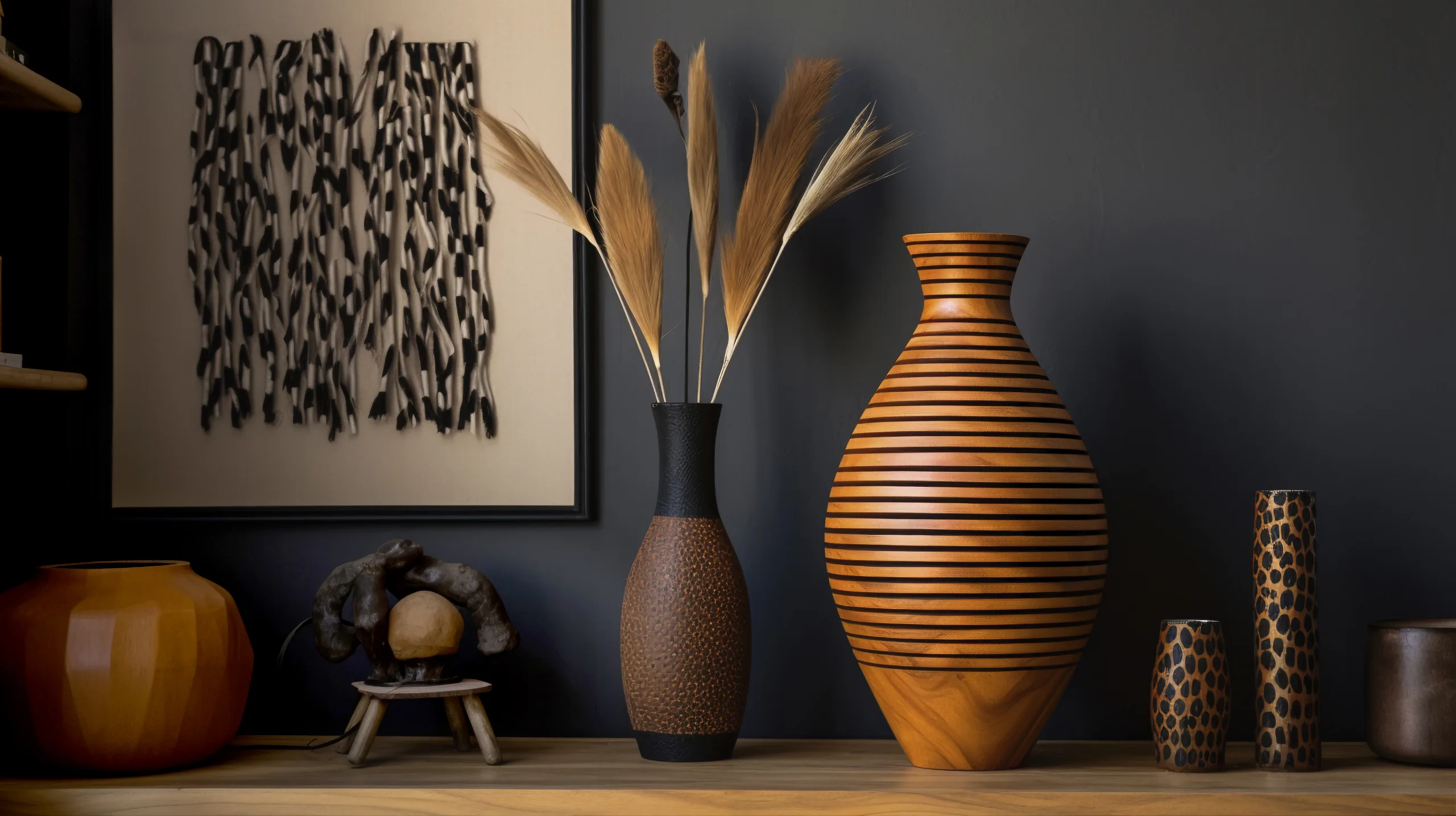
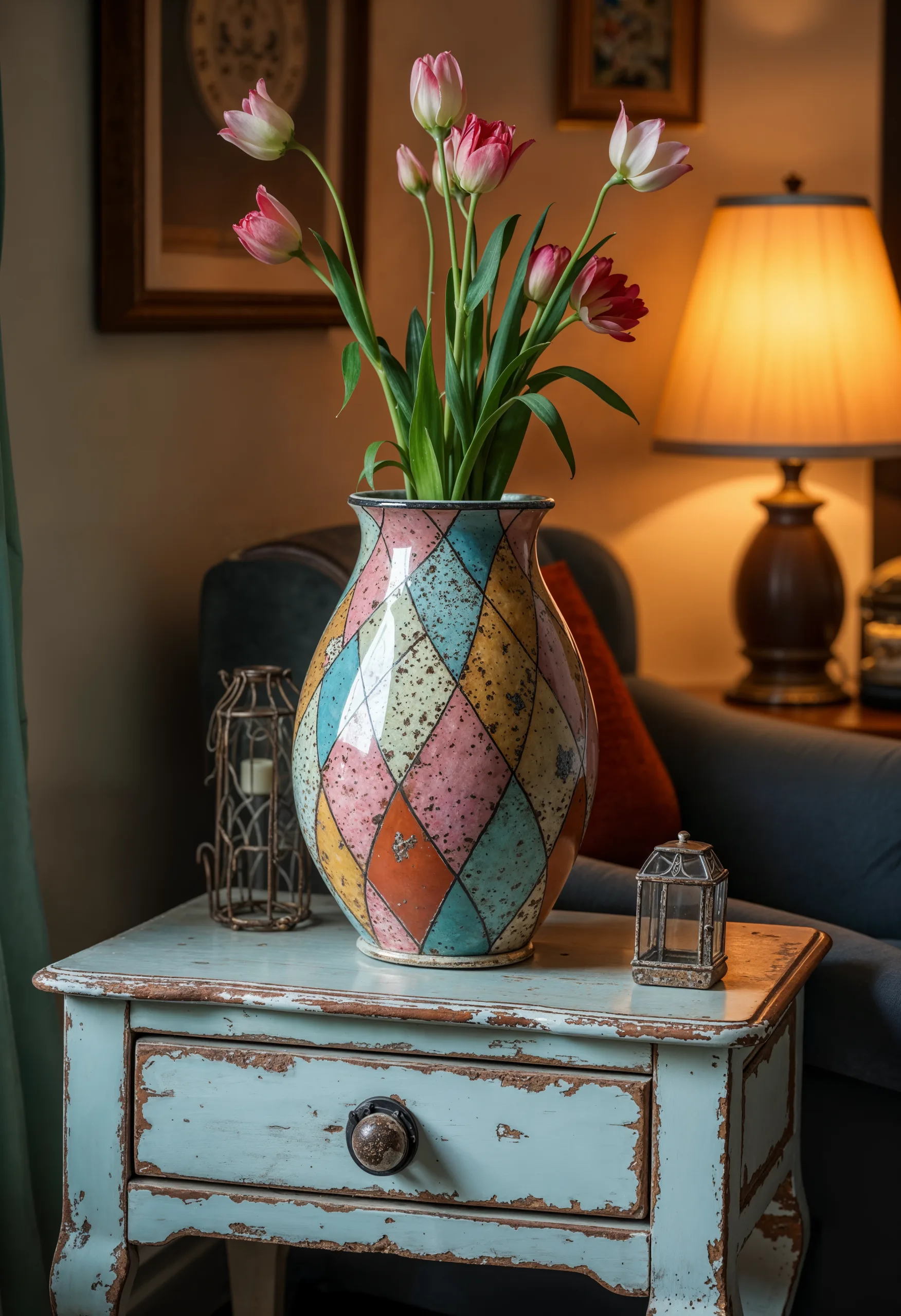
A vintage vase with a modern candle and a new coffee table book
-
Old books stacked with a small plant and a contemporary photo frame
-
A retro radio next to a sleek speaker
This contrast keeps things fresh.
Using negative space so items can breathe
If every surface is packed, even beautiful pieces can look messy. Leave some empty areas around your vintage items so the eye can actually land on them.
Think of your shelves like a gallery wall: not every inch needs to be filled.
Grouping items to avoid a messy feel
Grouping similar objects looks intentional:
-
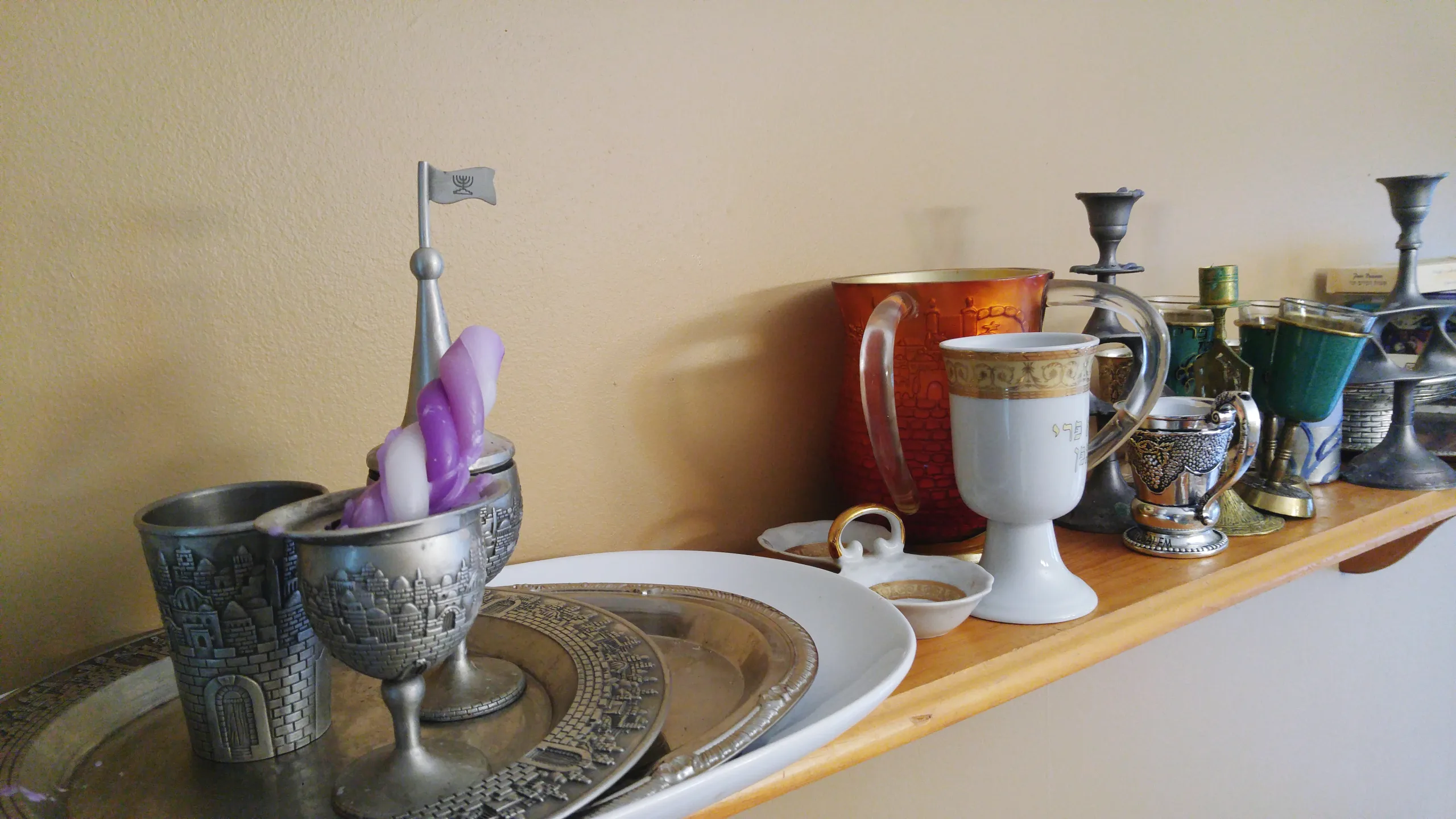
A small cluster of brass candle holders
-
Three ceramic vases of different heights
-
A mini stack of old books with a small ornament on top
Odd numbers often look more natural than pairs, so try groups of three or five.
Upcycling and Refreshing Vintage Pieces
When to paint, reupholster, or leave as is
Not every piece should be “fixed.” Ask yourself:
-
Is the original finish beautiful or rare? Maybe keep it.
-
Is the upholstery damaged or unsanitary? Reupholster.
-
Is the wood yellowed or orange and not your style? A coat of paint might save it.
Sometimes a simple clean and polish is enough.
Simple DIY fixes that make a big difference
You can:
-
Sand lightly and apply wood oil or wax
-
Change the hardware on drawers or cabinets
-
Add new knobs, handles, or legs
-
Use fabric slipcovers on chairs or sofas
These small updates can make an older piece sit comfortably in a modern apartment.
Keeping original character while updating
Try to keep at least one original element:
-
Keep the wood tone but update the hardware
-
Keep the shape but refresh the fabric
-
Keep the patina on metal instead of polishing it to a mirror shine
That balance keeps the soul of the piece alive.
Vintage Decor in Small Apartments – Space Saving Tricks
Multi functional vintage furniture
Look for pieces that work double time:
-
A vintage trunk as a coffee table with hidden storage
-
A small writing desk as a console plus workspace
-
A chest of drawers that works in the living room for storage and as a TV stand
Function always matters more in small spaces.
Vertical storage and wall decor
If your floor space is limited:
-
Use wall mounted shelves for displaying vintage items
-
Hang mirrors to bounce light and visually open up the room
-
Install hooks or pegs for hats, bags, or decor
Vintage wall clocks, framed posters, and plates can all live on the wall instead of on surfaces.
Keeping circulation clear in tight spaces
No matter how beautiful a piece is, if you keep bumping into it, you will end up hating it.
Small apartments need breathing room.
Common Mistakes When Incorporating Vintage Pieces
Buying too much too fast
It is very tempting to grab everything that looks cute and cheap. The result is often clutter and regret.
Instead:
-
Start with a shortlist of things you actually need
-
Bring in one or two pieces at a time
-
Live with them for a bit before adding more
Your space should build slowly, like a playlist, not all at once.
Ignoring scale and proportion
If you have low ceilings and a small living room, a huge dark armoire will feel like a wardrobe from a fantasy movie, just without the magic.
Match the scale of your vintage finds to your apartment:
-
Slim chairs, not bulky ones
-
Medium sized tables instead of massive dining sets
-
Mirrors and art that suit the wall size
Forgetting about practicality and comfort
Some vintage chairs look amazing but feel like punishment. Some old sofas are too deep or too low.
Ask yourself:
-
Will I actually sit here, work here, or use this?
-
Does it support my back, or is it just pretty?
Beautiful and useless is not the vibe you want.
Caring For Your Vintage Pieces So They Last
Cleaning different materials safely
Different materials need different care:
-
Wood: Use a soft cloth and gentle cleaner. Avoid soaking it with water.
-
Metal: Wipe with a dry or slightly damp cloth. Use metal polish carefully if you want more shine.
-
Glass and mirrors: Glass cleaner is fine, but avoid getting liquid into wooden frames.
-
Fabric: Vacuum gently. Spot clean, or use professional cleaning if it is delicate.
Always test products on a small, hidden area first.
Protecting fabrics, wood, and metals
You can:
-
Use coasters and placemats on wooden tables
-
Keep pieces away from direct harsh sunlight to avoid fading
-
Rotate cushions and textiles so wear is even
-
Add felt pads under legs to protect floors and keep items stable
A bit of care now means your vintage pieces can live with you for years.
Putting It All Together – Creating a Cohesive Vintage Inspired Apartment
You do not need an interior design degree to make this work. The real formula is simple:
-
Know your general style and color palette
-
Start small and let your collection grow slowly
-
Mix vintage with modern so the space feels balanced
-
Choose one hero piece per room
-
Keep clutter in check, give each piece room to shine
Over time, your apartment will stop feeling like a temporary stop and start feeling like a place with layers, history, and personality that matches you.