

Zabeel Mosque Interior
Dubai’s Hidden Gem of Islamic Architecture
Dubai's Spiritual Oasis with Breathtaking Architecture
Tucked away in the heart of Dubai, the Zabeel Mosque also referred to as the Grand Zabeel Mosque is a lesser-known architectural marvel that blends classic Islamic motifs with refined modern aesthetics. Overshadowed by its more famous counterparts, Zabeel Mosque stands out for its serene ambiance, elegant domes, and rich detailing that makes it a true design icon in the city.
Architectural Overview
- Name: Zabeel Mosque (Grand Zabeel Mosque)
- Location: Zabeel District, Dubai, UAE
- Notable Feature: Contemporary Islamic architecture with Ottoman and Andalusian influences
- Material Palette: White marble, carved stone, mosaic tiles
- Function: Active mosque open to worshippers and select guided tours
Zabeel Mosque Interior: A Harmony of Elegance and Function
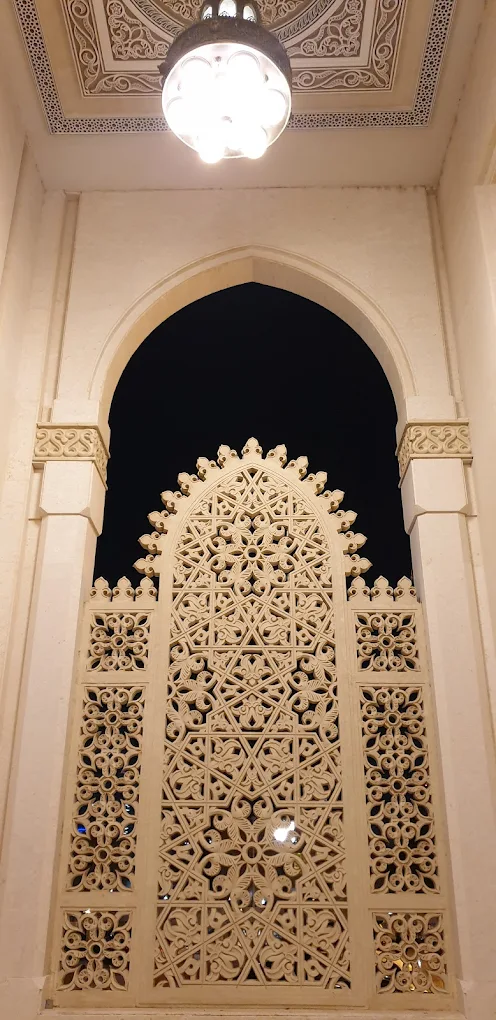
The Zabeel Mosque interior embodies quiet grandeur. Upon entering, visitors are greeted by soaring arches, elegant chandeliers, and patterned marble flooring that flows like a river of geometric beauty. The main prayer hall is adorned with Islamic calligraphy across its walls, creating a sacred rhythm of light and pattern. Delicate woodwork panels and lattice screens (mashrabiya) filter natural light into the space, producing a peaceful interplay of shadow and reflection.
Unlike heavily ornate interiors, Zabeel Mosque strikes a balance; its detailing is rich, but not overwhelming. Inspired by Ottoman domes and Andalusian floral motifs, the interior presents a fusion of Islamic architectural traditions that remain deeply rooted in Emirati identity. The acoustics are soft and meditative, ideal for prayer and reflection. While it shares design grandeur with the Sheikh Zayed Grand Mosque interior, Zabeel offers a more intimate experience.
Zabeel Mosque Architecture: A Blend of Heritage and Modernity
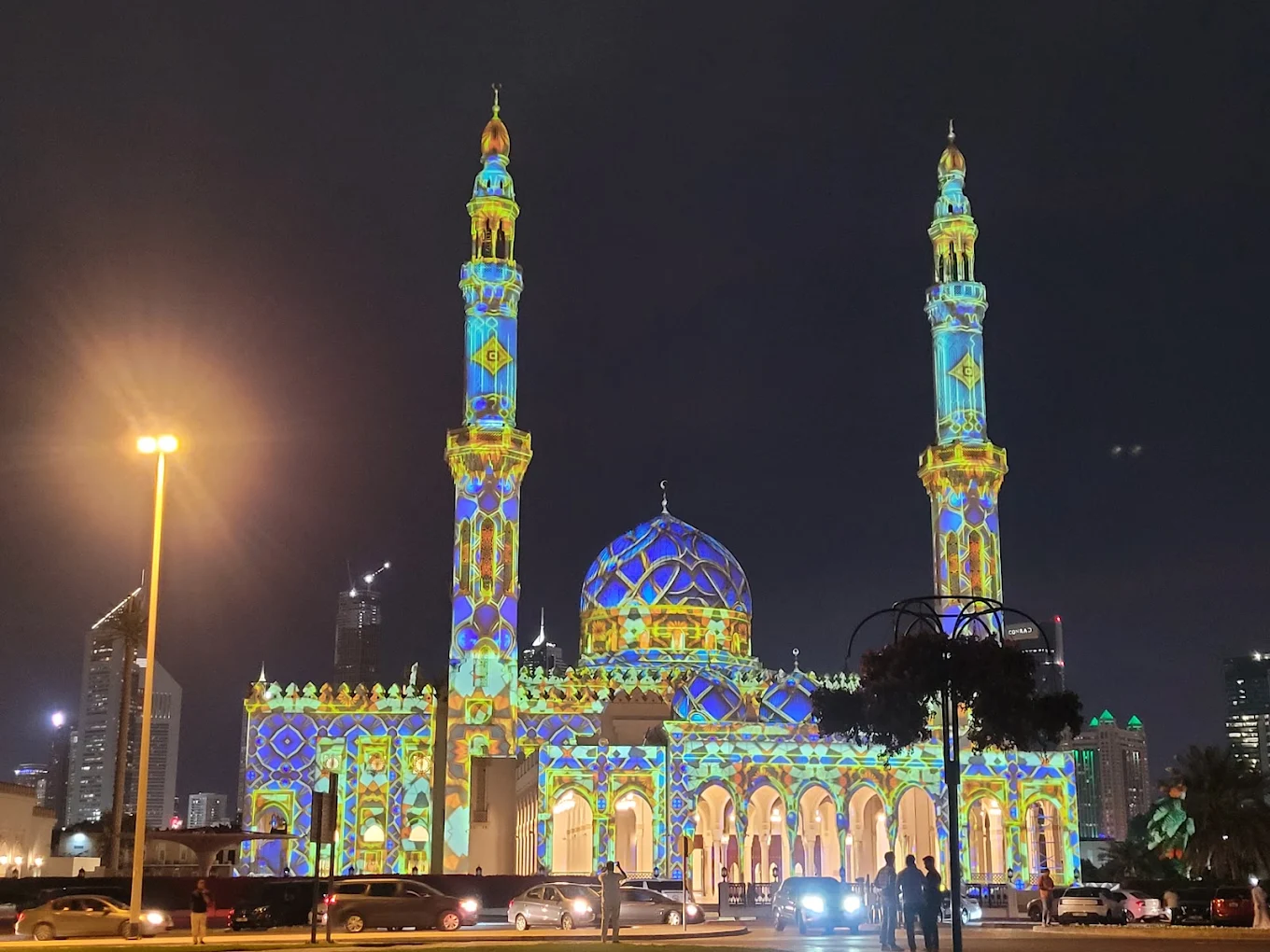
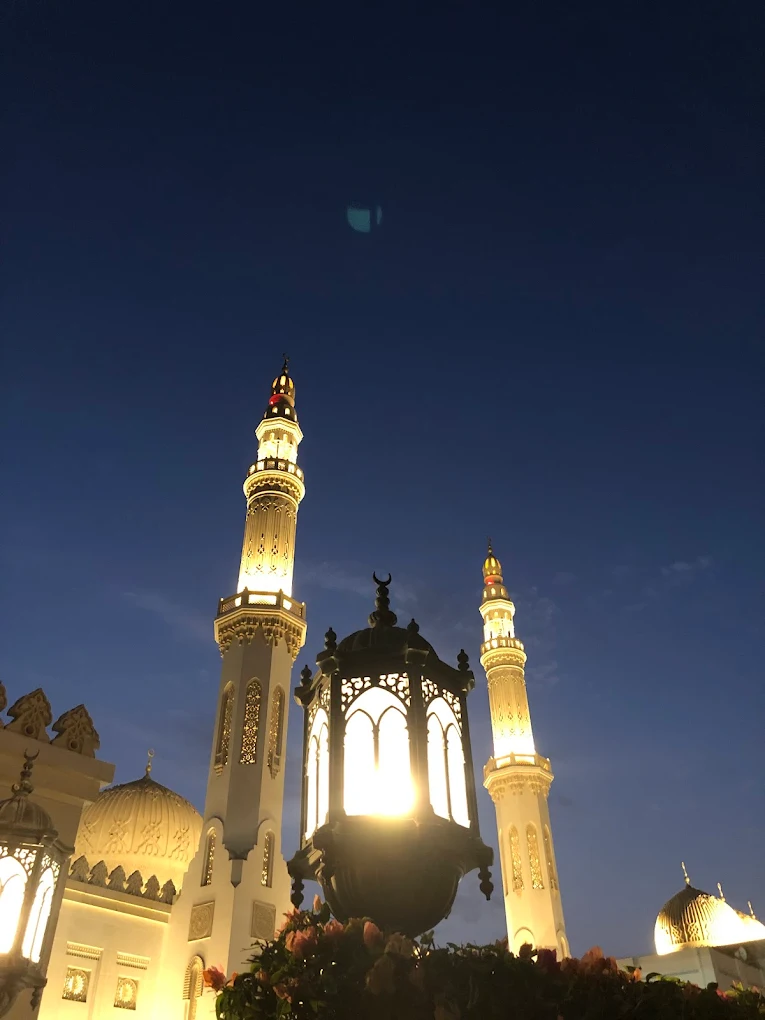
The Zabeel Mosque architecture merges classical Islamic symmetry with a more refined and contemporary structure. Its facade is constructed from pristine white marble, punctuated by slender minarets and a prominent central dome. The entrance is framed with floral arabesque carvings, while the minarets taper skyward in a display of spiritual aspiration.
Domes crown the building in an elegant sequence each smaller than the last mirroring spiritual hierarchy. The mosque’s landscaping, complete with fountains and manicured hedges, creates a tranquil approach that sets the tone before you even step inside. For those comparing Islamic structures, the Jumeirah Mosque architecture also offers an excellent example of how scale and symmetry define religious space in Dubai.
Cultural Significance and Community Role
While not as internationally renowned as other landmarks, the Grand Zabeel Mosque plays a vital role in community engagement and religious education. It’s frequented by residents of the Zabeel district and often included in architectural tours showcasing Top UAE Cultural Landmarks.
The mosque also supports educational events and interfaith understanding initiatives, welcoming non-Muslims during specific cultural programs.
Design Insights for Interior Enthusiasts
- Color Palette: Soft whites, muted golds, and warm beige
- Materials: Hand-carved marble, mosaic tile, brass detailing, hardwood inlays
- Lighting: Custom chandeliers, filtered sunlight through wooden lattice
- Ceiling Details: Muqarnas (honeycomb vaulting) with gilded highlights
Bring the Look Home
Designers and homeowners inspired by the Zabeel Mosque interior can incorporate its stylistic elegance in practical ways:
- Symmetry & Balance: Create harmony through symmetrical furniture layouts and balanced proportions
- Mosaic Accents: Use Islamic geometric tiles in niche walls, backsplashes, or decorative panels
- Lattice Lighting: Add wooden screens or cut-out panels to diffuse light and create depth
- Subtle Glamour: Mix soft marble textures with antique brass fixtures for a refined aesthetic
These touches work beautifully in quiet spaces home offices, prayer rooms, or meditative corners where design enhances serenity. For a more rustic and historic approach, the Al Bidya Mosque interior offers lessons in humble design grounded in nature and faith.
Tips for Visiting Zabeel Mosque
- Access: While not generally open to tourists, special permission or guided group tours may offer access during cultural weeks
- Dress Code: Modest attire required; abayas available if visiting through a program
- Photography: Limited or restricted always inquire in advance
- Best Time to Visit: Late afternoon for golden light on the marble exteriors
Conclusion
The Al Bidya Mosque is more than just the UAE’s oldest mosque; it’s a reminder of how form follows faith. Its enduring materials, intuitive layout, and spiritually centered architecture make it one of the region’s most revered landmarks. Whether you’re an interior design enthusiast, an architect, or a cultural explorer, there’s much to learn from the restraint, elegance, and quiet strength of Al Bidya Mosque architecture.
Visual Highlights

Frequently Asked Questions
Zabeel Mosque is located in the Zabeel district of Dubai, near Zabeel Park. It’s a prominent structure with distinctive white domes and minarets.
Not by default. Access is usually restricted to worshippers, but cultural or architectural tours may include it during special events.
The Zabeel Mosque architecture blends classical Islamic elements like domes, minarets, and arabesque carvings with modern symmetry and clean white marble finishes.
Its elegant restraint marble floors, warm-toned calligraphy, and chandelier lighting all harmonize to create a sacred, welcoming space.
While more intimate than Sheikh Zayed or Jumeirah Mosque, it offers just as much design inspiration and spiritual richness.
Request a Free Estimate
Fill in your contact details, and we will call you!
