

Museum of the Future: Where Architecture Meets Imagination
Where Architecture Meets Imagination
Introduction: The Future Has a Form
Towering over Dubai’s Sheikh Zayed Road, the Museum of the Future isn’t just a landmark it’s a living prototype of what tomorrow might look like. Wrapped in calligraphy and powered by innovation, it serves as a case study in how architecture can embody philosophy, and how museum of the future design and architecture can shape our understanding of time, space, and progress.
Architectural Vision: Symbolism in Steel
The elliptical shape of the museum has sparked global fascination. Designed by the renowned Museum of the Future architect Shaun Killa, the structure is intentionally void of pillars suspended like an idea floating above ground. Its torus form represents the unknown: the future. The void at its center is said to symbolize what we still have yet to learn.
More than a building, it’s a message: technology, sustainability, and culture must coexist. Every element, from its robotic fabrication methods to the Arabic calligraphy etched into its façade, reinforces this mission.
If you’re seeking similar visionary designs, consider exploring interior design companies in Dubai to elevate your space with forward-thinking concepts.
Interior Storytelling: A Museum Like No Other
What is the design concept of the Museum of the Future? At its core: immersive storytelling. Each floor of the museum presents a different chapter of humanity’s possible futures merging exhibition, simulation, and experience into one seamless journey.
For those inspired by the museum’s design principles, interior designer Dubai can bring a similar level of innovation and creativity to your own projects.
What Is Inside the Museum of the Future?
Here’s how the interior is structured:
- Level 1 – OSS Hope: A reimagined space station set in the year 2071
- Level 2 – Heal Institute: Focused on climate change and ecosystem regeneration
- Level 3 – Al Waha: A sanctuary for mental and emotional wellness
- Level 4 – Tomorrow Today: Cutting-edge tech, robotics, and AI demos
- Level 5 – Future Heroes: An interactive play zone for kids with a focus on innovation
The museum of the future interior design uses seamless LED walls, curved forms, sustainable materials, and ambient soundscapes to craft an environment that stimulates both logic and wonder. Every room flows into the next, creating a continuous narrative of potential futures.
Material & Form: Inside-Out Futurism
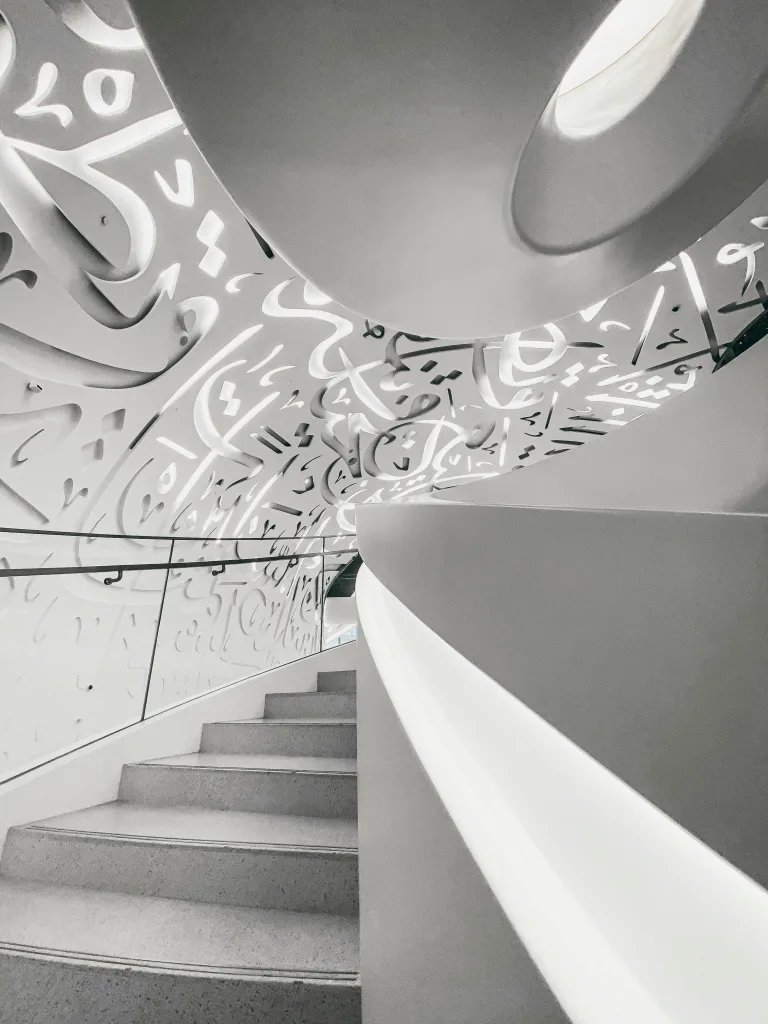
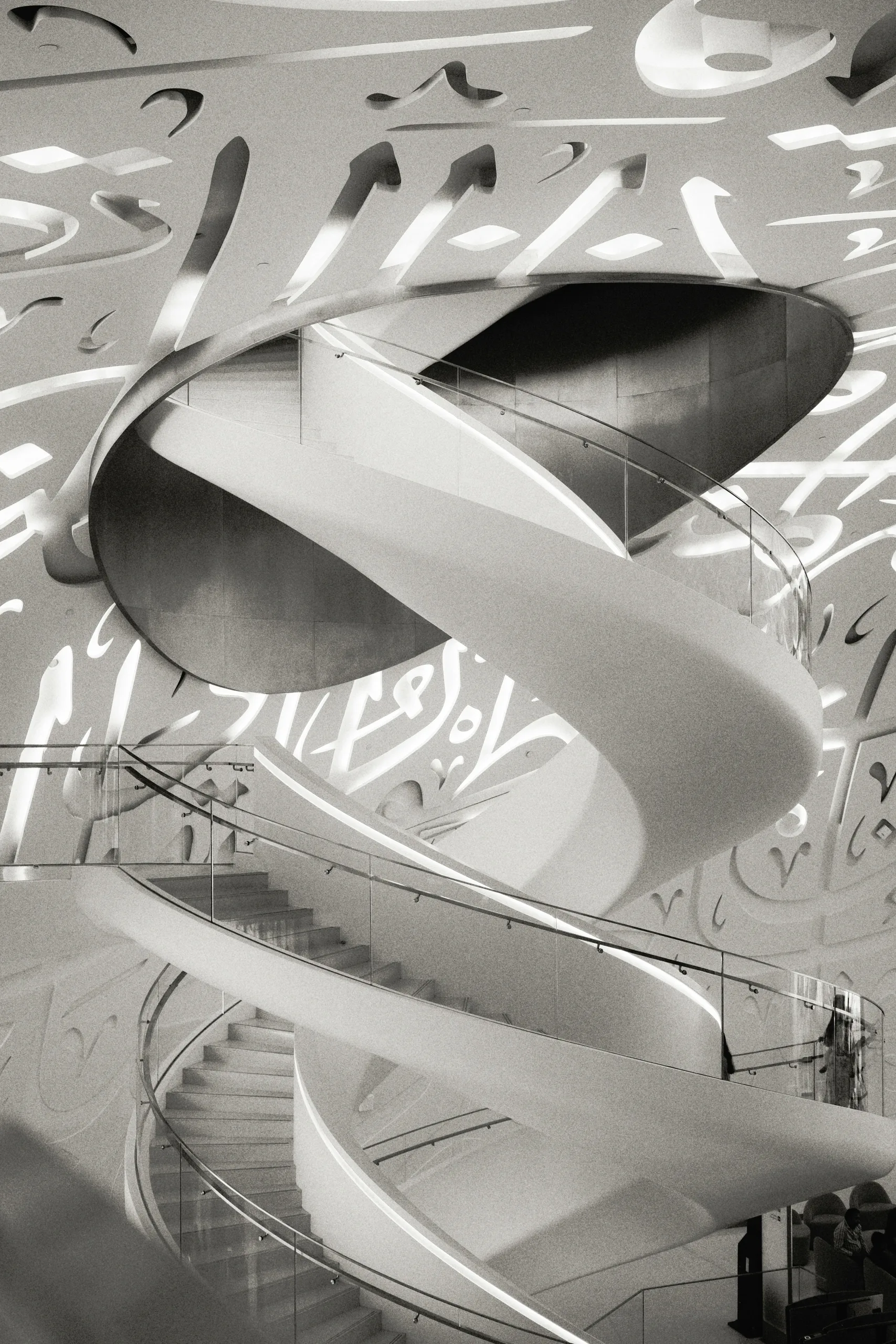
Unlike conventional museum interiors that rely on partitions and plinths, the museum of future interior is fluid and borderless. White sculpted walkways spiral upward. Lighting is diffused through curved corridors. Materials were chosen not just for aesthetics, but to serve environmental and digital needs, reducing glare, maximizing energy efficiency, and integrating sensor tech. This is museum of the future architecture grounded in function not fantasy.
Architect of Museum of the Future
The architect of museum of the future, Shaun Killa, is a Dubai-based visionary best known for sustainable and high-tech design. As the future museum architect, Killa brought to life an idea that transcends time crafting a building that blends digital innovation with environmental consciousness. His approach as the museum of the future architect reflects a deeper mission: to showcase design not just as an art, but as a tool for transformation. As the lead architect of museum of the future, Killa’s work redefines what civic architecture can achieve in a world driven by progress.
Design Learnings for Interior Spaces
Interior designers can draw powerful lessons here:
- Non-linear layouts invite curiosity and flow
- Multisensory design enhances memory and emotion
- Neutral backdrops allow digital experiences to shine
- Narrative zones help control movement and focus
Whether you’re designing a retail space, a gallery, or a digital installation, the museum of the future interior proves that story-first design always wins.
Bring the Look Home
To recreate a “future-inspired” space:
- Embrace curved architecture — arched doorways, round mirrors, or oval furniture
- Integrate LED lighting strips for depth and ambience
- Use white or neutral palettes as a digital canvas
- Experiment with smart materials (glass, mesh, metals) for tactile contrast
- Define rooms by function, not furniture
Conclusion
The Museum of the Future is not just about exhibits it’s about experience. It challenges everything we know about museum of the future architecture, interior storytelling, and spatial emotion. For architects, designers, and visionaries, it’s a must-visit—and a masterclass in shaping tomorrow’s spaces today.
Visual Highlights
Frequently Asked Questions
The building was designed by Shaun Killa of Killa Design, a firm known for pioneering sustainable architecture in the region.
It’s a physical narrative of humanity’s future integrating AI, wellness, environment, and space exploration into a multi-sensory experience.
From simulated space stations to wellness sanctuaries and innovation labs, the museum features immersive exhibits across five themed levels.
General admission is AED 145. Discounts may apply for children and residents; pre-booking is advised.
Absolutely. It’s one of the world’s most forward-thinking spatial experiences where form, content, and emotion converge.
Request a Free Estimate
Fill in your contact details, and we will call you!
