Adapting Home Design to Dubai’s Climate – Best Materials for Heat & Humidity
Dubai’s stunning skyline is a testament to innovation, but designing a home here comes with a unique challenge how to build a space that feels cool, comfortable, and resilient in a desert climate where heat and humidity rule.
The secret lies in choosing the right materials, because the wrong choice doesn’t just hurt comfort it can shorten your home’s lifespan.
Understanding Dubai’s Climate
Dubai’s climate is extreme by most standards. Summer months push temperatures beyond 45°C, with high humidity making it feel even hotter. Even in cooler months, the air carries moisture. Homes here must withstand not just heat but also condensation, mold, and salt in the air.
Principles of Climate-Responsive Home Design
A climate-smart home isn’t only about air conditioners working overtime. The real magic happens when the structure itself helps keep temperatures down. Think natural airflow, shading, and using materials that resist absorbing heat or swelling with moisture.
Choosing the Right Building Materials
In Dubai, building materials aren’t just about looks. They need to resist extreme expansion, cracking, and warping. Materials with strong thermal resistance and low water absorption become essential.
Best Materials for Exterior Walls
-
Insulated Concrete Blocks: Great for thermal insulation, helping reduce energy bills.
-
AAC Blocks: Lightweight, fire-resistant, and excellent at keeping interiors cooler.
-
Stucco with Reflective Coating: Adds durability while bouncing off some of the desert sun’s intensity.
Roofing Solutions
The roof is the first line of defense against heat.
-
Heat-Reflective Tiles reduce surface temperature.
-
Green Roofs add insulation and improve air quality.
-
Metal Roofs with Reflective Paint offer durability and heat control.
Flooring Options
Floors in Dubai homes should resist humidity without trapping heat.
-
Marble and Granite are timeless, cool underfoot, and resilient.
-
Ceramic/Porcelain Tiles stay cool and are easy to maintain.
-
Engineered Wood provides warmth without warping like solid wood.
Windows and Glass Choices
Windows can either trap heat or filter it.
-
Double/Triple Glazing reduces indoor heat gain.
-
Low-E Coatings reflect infrared rays.
-
Shading Systems like external screens or louvers cut glare and heat.
Interior Wall Finishes
Moisture is a real enemy indoors.
-
Moisture-Resistant Paints prevent peeling.
-
Lime Plaster allows walls to breathe.
-
Vinyl Coatings in kitchens and bathrooms protect against mold.
Insulation Materials
Good insulation makes air conditioners work less.
-
Spray Foam creates an airtight seal.
-
Rigid Foam Boards add consistent temperature control.
-
Eco-Friendly Insulation like cork and sheep’s wool offer natural solutions.
Wood and Carpentry
Solid wood can be tricky in Dubai.
-
Engineered Wood holds up better against swelling.
-
Anti-Warping Treatments make cabinetry last longer.
-
Bamboo Composites are durable and eco-friendly.
Metal Use in Design
Humidity means metals can corrode fast.
-
Aluminum is lightweight and rust-resistant.
-
Stainless Steel works best in kitchens and bathrooms.
-
Protective Finishes keep metals looking sleek.
Sustainable and Eco-Friendly Materials
Eco-conscious choices are rising in Dubai.
-
Solar-Reflective Paints keep exteriors cooler.
-
Recycled Boards reduce environmental footprint.
-
Locally Sourced Stone blends durability with authenticity.
Design Enhancements for Comfort
Beyond materials, design features boost comfort.
-
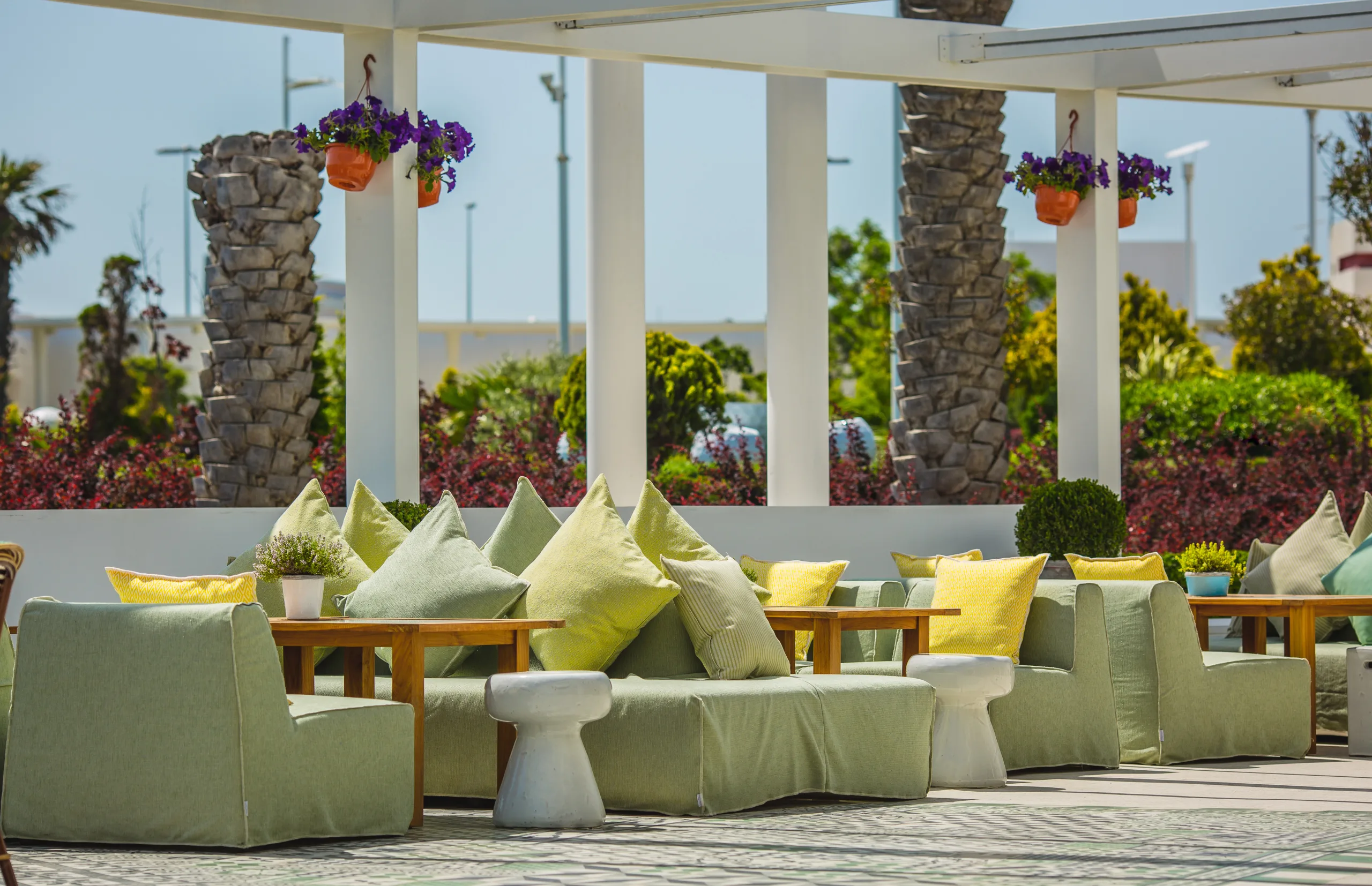
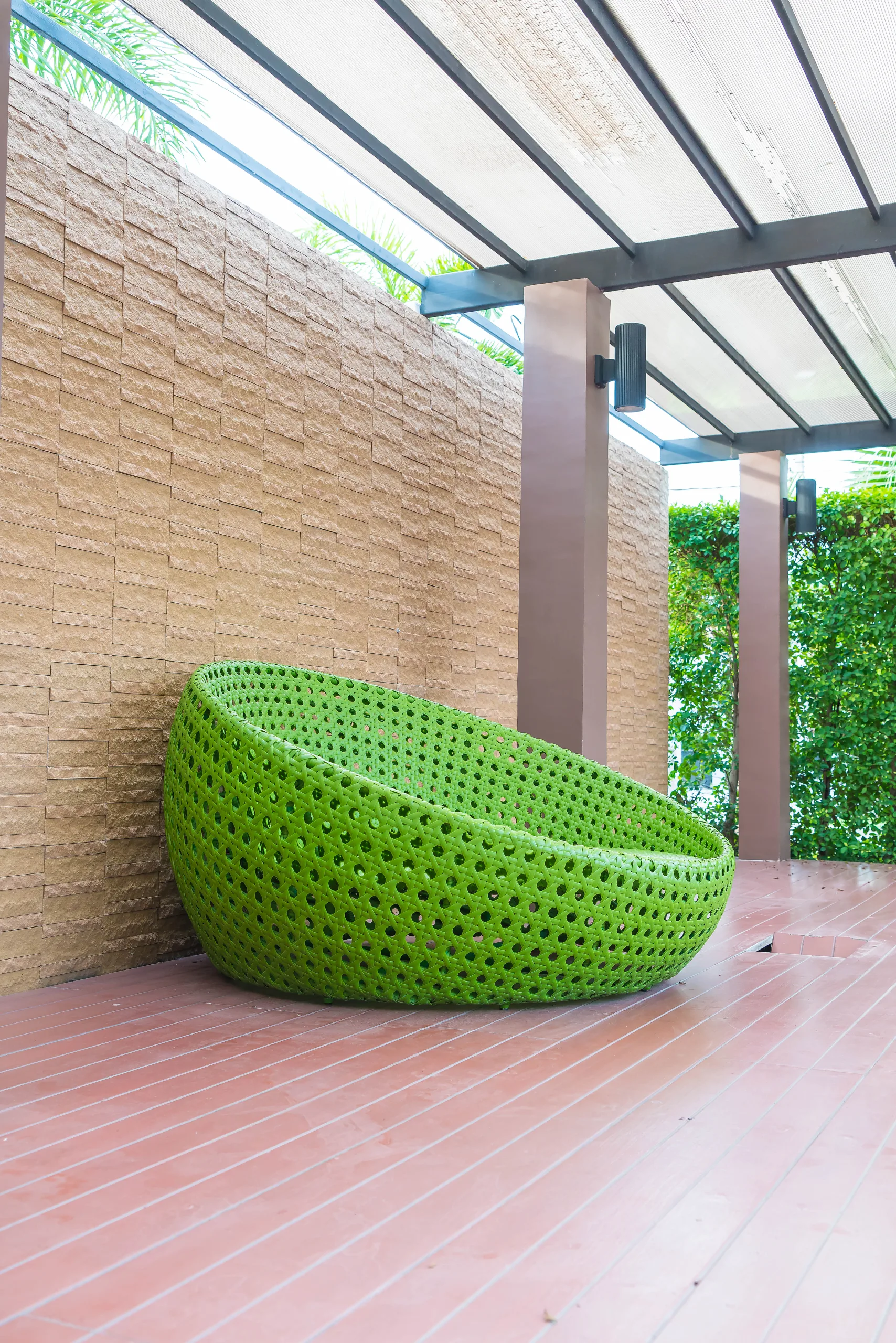
Pergolas and Shading Devices soften the sun’s glare.
-
Courtyards and Water Features encourage cooling airflow.
-
Cross-Ventilation keeps fresh air moving.
Maintenance Tips for Dubai Homes
Even the best materials need care.
-
Wash salt deposits regularly to prevent surface damage.
-
Seal porous materials annually.
-
Maintain HVAC systems to avoid excess indoor humidity.
Conclusion
Designing a Dubai home is about resilience as much as it is about style.
By choosing materials that embrace the climate instead of fighting it, homeowners can enjoy comfort, efficiency, and longevity.
The goal is simple: a home that feels like a retreat, no matter the desert heat.
FAQs
1. What flooring is best for keeping homes cool in Dubai?
Stone and tiles are the best marble, granite, and porcelain tiles stay naturally cool underfoot and are resistant to humidity.
2. Can wood be used in Dubai homes?
Yes, but opt for engineered wood or bamboo composites, as solid wood tends to warp in high humidity.
3. Are green roofs practical in Dubai’s desert climate?
They are, with proper irrigation and waterproofing systems. Green roofs add insulation and help reduce heat absorption.
4. What kind of paint lasts longest in humid Dubai conditions?
Moisture-resistant or lime-based paints perform best, preventing peeling and allowing walls to breathe.
5. How do windows impact energy bills in Dubai?
Energy-efficient glass with Low-E coatings and double glazing significantly reduce cooling costs by keeping heat out.
Photography and styling by The Studio by DH. For curated earthy interiors, book a session with our design team at thestudiobydh.com.
SUBSCRIBE
Sign up to receive regular insights and lifestyle articles from Studio by DH, The Edit.
Sign up to receive regular updates and newsletters
Budgeting for Your Home Renovation in Dubai
Incorporating Emirati Design Elements in Your Dubai Villa Interior
Navigating Dubai’s Renovation Permits and Regulations