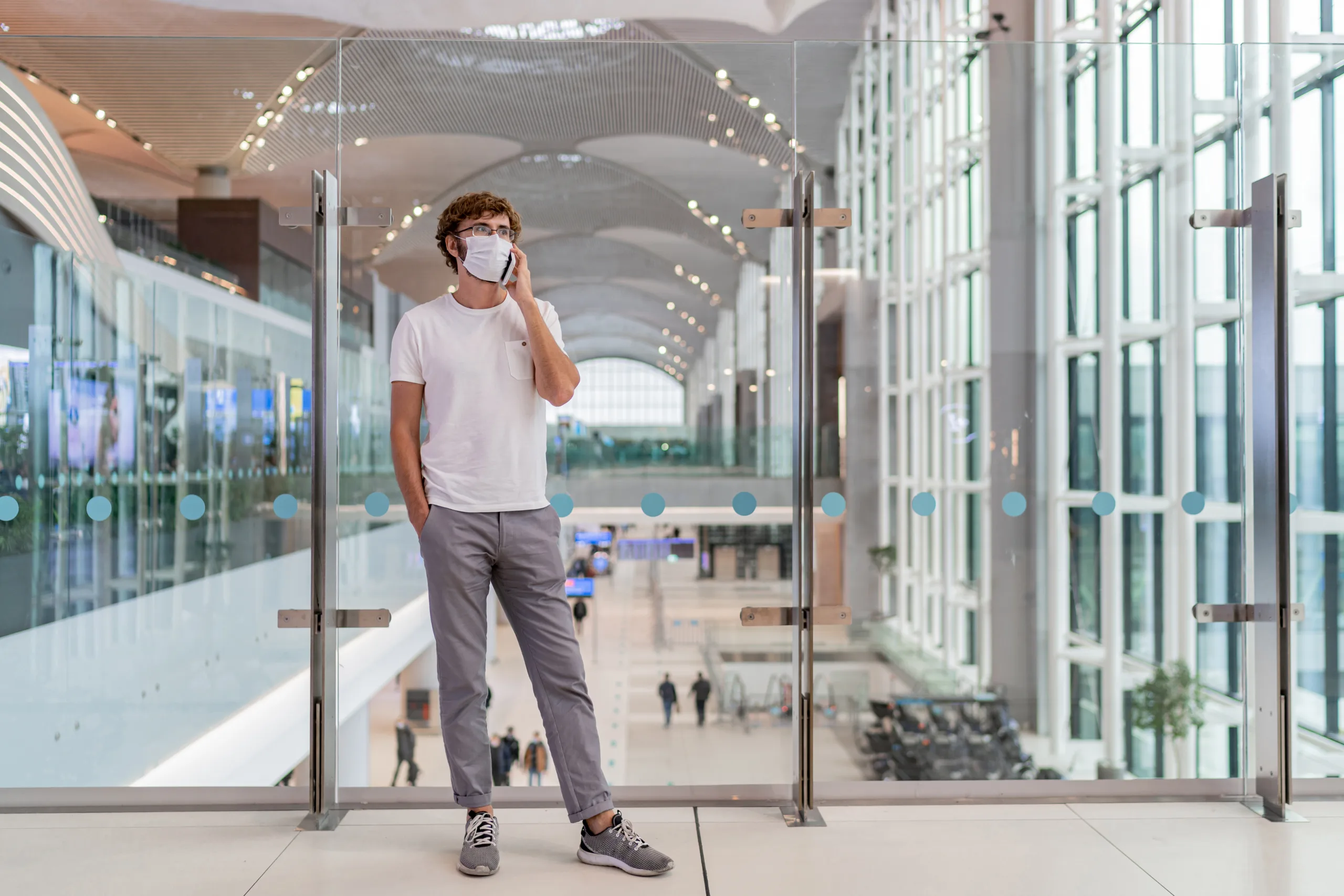
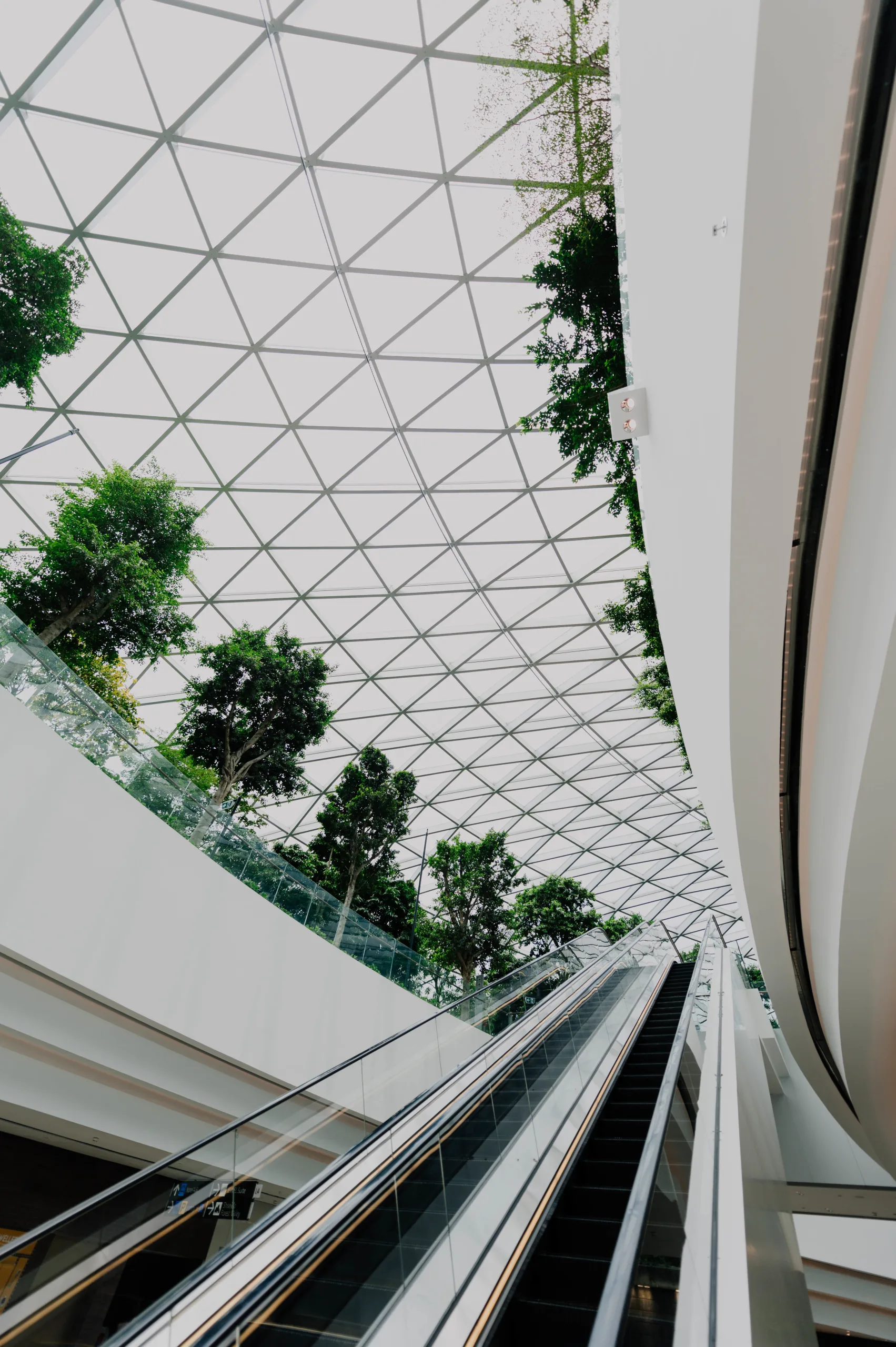
The design philosophy revolves around three principles: scale, clarity, and comfort. Instead of forcing travelers through narrow corridors or confusing intersections, the architects created wide circulation paths with clear sightlines.
Passengers instinctively understand where to go because the spatial layout guides them.
Another reason Terminal 3 stands out is its integration of hospitality.
The terminal includes restaurants, lounges, hotels, spas, retail spaces, and relaxation areas, transforming waiting time into a comfortable experience.
The result is a space where passengers spend time willingly instead of simply waiting for flights.
The Vision Behind Dubai’s Aviation Architecture
Dubai has always approached infrastructure with a larger narrative in mind. The city positioned itself as a global crossroads between Europe, Asia, and Africa, and the airport needed to reflect that ambition. Terminal 3 was designed to embody Dubai’s identity as a modern, cosmopolitan hub.
Architecturally, the terminal communicates power and sophistication without overwhelming travelers.
The design avoids excessive ornamentation and instead focuses on clean geometry, light-filled spaces, and elegant materials. This minimalism ensures that even though the building is massive, it never feels heavy.
The airport also had to handle extraordinary passenger volumes. With the ability to process tens of millions of travelers annually, the interior design needed to anticipate constant movement. The terminal therefore acts like a carefully choreographed system where architecture, technology, and interior design work together to keep people flowing.
Architectural Scale and Spatial Planning
One of the Largest Buildings Ever Built
When Terminal 3 opened, it was officially recognized as the largest building in the world by floor area, spanning more than 1.7 million square meters.
To put that into perspective, the terminal is roughly the size of a small city district rather than a typical transportation building.
This massive scale created an unusual challenge for architects. Designing a building this large could easily result in spaces that feel cold, impersonal, or disorienting.
Instead, the design team focused on breaking down the space into manageable zones, each with its own rhythm and character.
The terminal connects to three major concourses, A, B, and C, which function almost like independent terminals while remaining part of the larger system.
These concourses host boarding gates, retail areas, and lounges while maintaining consistent design language throughout.
Despite its size, passengers rarely feel lost. The architecture uses subtle cues such as ceiling height changes, lighting gradients, and spatial orientation to guide travelers naturally.
Underground Design Strategy and Structural Innovation
One of the most fascinating aspects of Terminal 3 is that much of the building is constructed underground. The departure and arrival halls sit approximately 10 meters below the airport apron, directly beneath taxiways and aircraft movement zones.
Why design such a massive terminal underground? The answer lies in spatial efficiency. The airport site had limited land available for expansion, so architects had to work vertically instead of horizontally.
This underground strategy also improves passenger movement. Arrivals, departures, baggage systems, and metro connections operate on different levels, preventing congestion. It is similar to the way modern cities organize transportation layers underground.
Structurally, the building relies on steel roof frames, large-span beams, and reinforced concrete structures that support massive open spaces without excessive columns. The result is an interior environment that feels expansive and uninterrupted.
Passenger Flow and Functional Interior Layout
Multi-Level Layout and Circulation Planning
A key reason Terminal 3 feels organized despite its scale is its multi-level circulation strategy. The building is arranged across multiple floors, each dedicated to specific stages of the travel journey.
Passengers move through a logical progression:
- Arrival at curbside check-in
- Security and immigration
- Retail and lounge areas
- Boarding concourses
This layered movement keeps passenger flows separate and reduces bottlenecks. The design also integrates Dubai Metro access directly into the terminal, allowing passengers to enter the airport seamlessly from the city.
Zoning Strategy for Different Passenger Classes
Airports must accommodate a wide range of travelers, from economy passengers to ultra-premium customers. Terminal 3 addresses this through carefully planned zoning strategies.
Separate zones exist for first-class, business-class, and economy passengers, each with dedicated check-in counters and lounge areas.
This segmentation serves two purposes. First, it improves operational efficiency by distributing passengers across multiple spaces. Second, it enhances luxury experiences for premium travelers.
Material Palette and Architectural Language
Glass, Steel, and Light as Primary Design Elements
The interior design of Terminal 3 relies heavily on glass façades, steel structural systems, and polished surfaces. These materials serve both functional and aesthetic purposes.
Glass allows natural light to penetrate deep into the building, reducing the sense of enclosure common in large terminals. Steel frames enable wide spans that eliminate visual clutter.
Together, these materials create a sleek and modern aesthetic that reflects Dubai’s global brand.
The Psychology of Luxury Airport Materials
Material selection in airports is not only about durability. It is about psychology. Smooth surfaces, reflective finishes, and high ceilings subconsciously signal cleanliness, safety, and efficiency.
In Terminal 3, polished floors reflect lighting patterns, making spaces appear brighter and larger. This subtle design trick reduces the stress often associated with travel environments.
Lighting Design Strategy Inside Terminal 3
LED Lighting and Visual Comfort
Lighting plays a crucial role in shaping the passenger experience. Terminal 3 uses advanced LED lighting systems designed to provide consistent brightness while reducing energy consumption.
The goal is to achieve visual comfort without harsh glare. Uniform lighting also enhances safety, ensuring travelers can easily navigate the space.
Lighting as a Wayfinding Tool
Lighting also functions as a navigation system. Brighter zones indicate movement paths, while softer lighting highlights relaxation areas such as lounges and waiting spaces.
This subtle guidance reduces the need for excessive signage.
Retail and Hospitality Interior Experience
Duty Free Spatial Design
Retail spaces inside Terminal 3 are designed to feel like luxury shopping districts rather than typical airport stores. The terminal includes approximately 15,000 square meters of retail space, featuring global brands and local products.
Wide aisles, open displays, and strategic lighting encourage travelers to explore rather than rush past.
Restaurants, Lounges, and Hotel Interiors
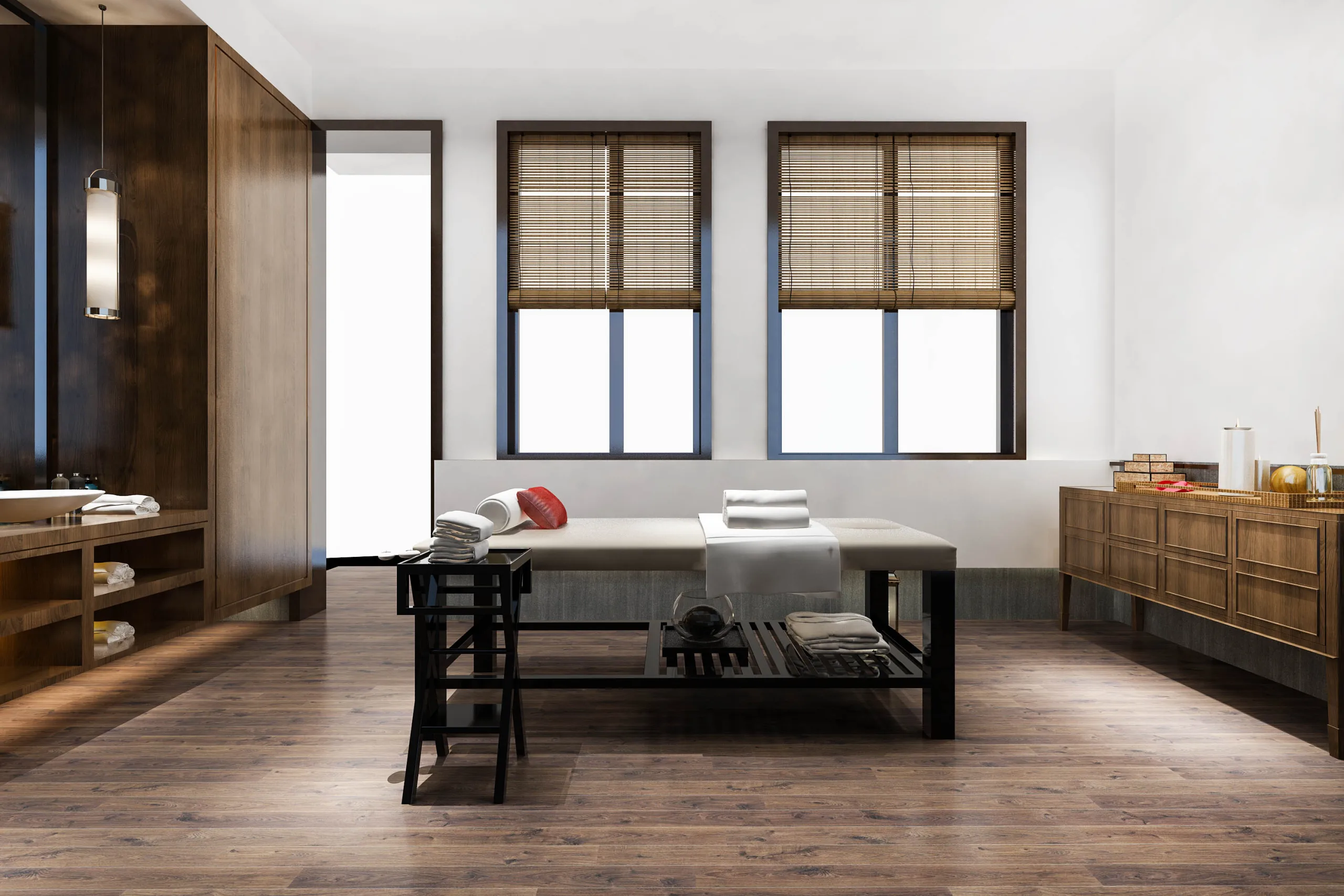
Terminal 3 integrates hospitality directly into its interior design. Inside the terminal, travelers can find restaurants, spas, lounges, and even hotel rooms, creating a hybrid space between airport and luxury resort.
Art, Culture, and Experiential Design
Art Installations and Cultural Storytelling
Beyond functionality, Terminal 3 incorporates art installations that reflect regional culture and global connectivity.
These installations introduce moments of surprise and creativity within the travel journey.
Interactive Design for Modern Travelers
Interactive displays and entertainment areas create engagement for passengers during long layovers.
Technology and Infrastructure Integration
Smart Gates, Biometric Systems, and Automation
Modern airports rely heavily on automation. Terminal 3 includes biometric immigration gates, automated check-in kiosks, and digital boarding systems.
The World’s Largest Baggage Handling System
The terminal’s baggage system is among the most advanced globally, featuring 90 km of conveyor belts and the ability to handle thousands of bags per hour.
Sustainability and Energy Efficiency in Design
Efficient Lighting and Energy Systems
LED systems significantly reduce electricity consumption while maintaining consistent lighting.
Long-Term Operational Sustainability
Energy-efficient systems help reduce long-term operational costs.
Lessons Designers Can Learn from Terminal 3
Human-Centered Infrastructure Design
The biggest lesson from Terminal 3 is that infrastructure should prioritize human experience.
Designing Airports as Experiences
Airports are no longer just transit spaces. They are destinations.