Restoring a Legend: Lessons in Design DNA from the Burj Al Arab
Dania Al Mubarak
April 21, 2026
For the first time in over 25 years, the gilded doors of the Jumeirah Burj Al Arab have closed for a comprehensive 18-month restoration. As interior designers, we often discuss “timelessness,” but few projects challenge that concept like this “Modern Arabic Palace.”
Led by acclaimed French interior architect Tristan Auer, the mission isn’t to reinvent—it’s to refine. Here is how we, as design professionals, view this historic undertaking.
The Art of "Invisible" Restoration
Safeguarding the Original "Four Elements"
In the world of high-end hospitality, the most successful restorations are often the ones you can’t see. Auer’s philosophy for the Burj is a “science” of watching and listening to how guests interact with the space.
The goal is to reboot memories; a returning guest should feel immediately “at home,” yet sense a fresh, elevated energy. This highlights a core design principle: Preserve the character, upgrade the performance.
Safeguarding the Original “Four Elements”
The original 1999 interiors by Khuan Chew were built on a masterclass of storytelling, using the four elements Water, Fire, Earth, and Air to define the guest experience.
Gold & Marble: With 1,790 square meters of 24-carat gold leaf and 30 types of imported Statuario marble, these materials aren’t just finishes; they are the hotel’s heritage.
The Design DNA: The restoration project will retain 70% to 80% of the existing decor. Rather than replacing these iconic features, artisans will meticulously restore them, proving that true luxury is found in longevity and craft, not just the “newest” trend.
Modernizing a Masterpiece
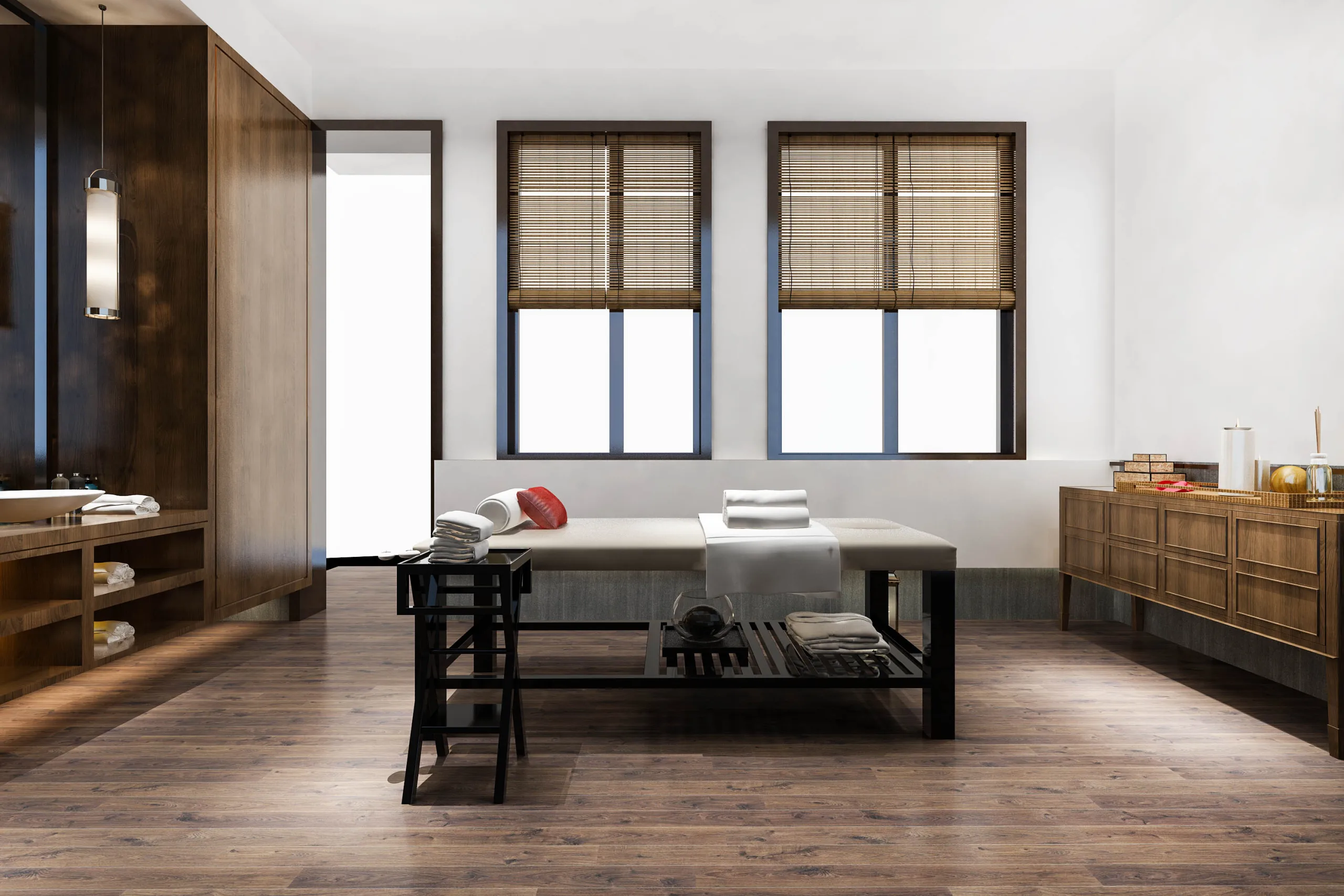
While the signature colorful lobby and entry aquarium will remain, other areas, such as the spa, are set for significant redesigns to improve spatial flow. For today’s global traveler, luxury has shifted from pure spectacle to a more nuanced focus on craftsmanship, technology, and sustainability. Integrating next-gen smart-living systems while maintaining 25-year-old architectural proportions is where the true design challenge lies.
A Case Study in Sustainability
Choosing restoration over replacement is the ultimate sustainable luxury statement. By working with specialized craftspeople to restore original moldings and blocks rather than importing new ones, Jumeirah is setting a precedent for how landmarks can evolve without excessive waste.
The Designer’s Takeaway
The Burj Al Arab restoration reminds us that icons are not static. They are living narratives that require “forensic” precision to maintain. As the hotel prepares for its 2027 reopening, it stands as a reminder that the boldest design moves are often the ones made with the most restraint and respect for what came before.
Restoring an Icon: Frequently Asked Questions
Q: Why is the Burj Al Arab undergoing a restoration now? A: After 25 years of operation, even the most legendary structures require a “reboot.” The 18-month project aims to modernize the hotel’s infrastructure and technology while preserving the “Design DNA” that made it a global landmark in 1999.
Q: Who is leading the interior design of the restoration? A: The project is being led by renowned French interior architect Tristan Auer. Known for his “bespoke” approach, Auer’s philosophy focuses on “invisible restoration” enhancing the space so that it feels brand new yet remains instantly recognizable to loyal guests.
Q: Will the iconic gold and marble interiors be replaced? A: No. A staggering 70% to 80% of the existing decor is being retained. Instead of a “rip-and-replace” approach, specialized artisans are being brought in to meticulously restore the 24-carat gold leaf and Statuario marble, maintaining the hotel’s original opulence.
Q: What major changes can guests expect to see in 2027? A: While the signature atrium and aquarium will remain, the Talise Spa and certain public flow areas will undergo significant redesigns. The goal is to improve the “spatial choreography” how guests move through and experience the luxury of the building.
Q: How does this project reflect modern luxury trends? A: The restoration shifts the focus from “newness” to craftsmanship and heritage. By choosing to restore original materials rather than replace them, the project serves as a high-profile case study in sustainable luxury and the preservation of architectural history.
Q: Will the “Four Elements” theme still be present? A: Absolutely. The original concept by Khuan Chew representing Water, Fire, Earth, and Air is the foundation of the building. The restoration is designed to honor these elements while subtly integrating 21st-century smart-room technology and improved lighting systems.
SUBSCRIBE
Sign up to receive regular insights and lifestyle articles from Studio by DH, The Edit.
Sign up to receive regular updates and newsletters