Interior design in a coffee shop is not simply about decoration. It is about shaping behavior. The layout, lighting, materials, and even the sound environment influence how customers interact with the space. Good design subtly guides movement, encourages comfort, and creates emotional connection.
Think about the difference between a cramped café with fluorescent lighting and a thoughtfully designed one with warm lighting, comfortable seating, and natural materials. The latter invites customers to stay longer. And the longer people stay, the more likely they are to order additional items or return again.
Design also affects brand perception. A minimalist coffee shop might communicate sophistication and quality, while a colorful, artistic café might feel youthful and experimental. In Dubai’s competitive F&B market, interior design acts as a powerful storytelling tool for a brand.
For café owners, this means interior design should be considered early in the business planning stage. It must align with brand identity, menu concept, and customer experience. When all these elements work together, the café feels cohesive rather than staged.
The Psychology of Coffee Shop Spaces
People rarely realize how strongly environments influence their behavior. Interior designers often rely on psychology to craft spaces that subtly shape how customers feel and act. In coffee shops, this psychology can determine whether guests stay for five minutes or two hours.
Warm lighting, for instance, creates a sense of relaxation. That is why many cafés use lighting temperatures between 2700K and 3000K, which generate a cozy, welcoming atmosphere ideal for coffee drinking and conversation.
Furniture layout also affects behavior. Communal tables encourage social interaction, while smaller tables promote quiet conversations or individual work sessions. Designers often combine both seating types to accommodate different customer needs.
Even materials play a psychological role. Natural materials like wood and stone evoke warmth and authenticity, which aligns perfectly with the handcrafted image of specialty coffee culture.
Ultimately, a successful coffee shop interior creates a feeling that customers cannot easily explain but instinctively enjoy.
Planning Your Coffee Shop Interior in Dubai
Designing a coffee shop begins long before furniture or lighting choices are made. It starts with defining the concept. Every successful café has a clear identity that shapes its visual environment.
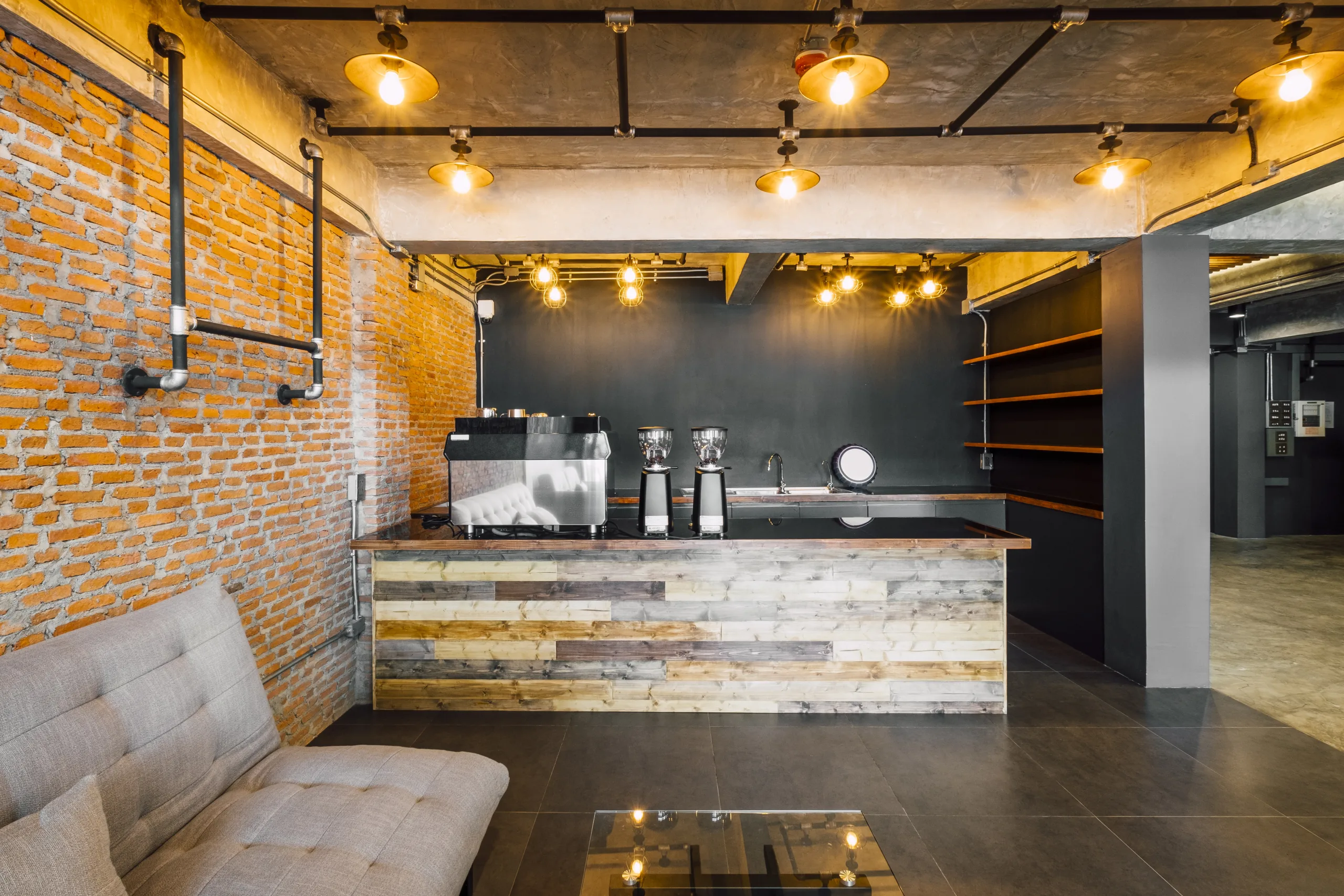
Some cafés focus on minimalist luxury, using marble counters, elegant seating, and neutral palettes. Others adopt an industrial style with exposed pipes, raw concrete, and metal lighting fixtures. Some combine traditional Middle Eastern aesthetics with contemporary design, blending cultural heritage with modern comfort.
Choosing the right concept requires understanding the target audience. A café located near offices might prioritize functional seating and fast service flow. A lifestyle café in a tourist area might focus more on visual drama and photography-friendly spaces.
The key is alignment. When design, brand, and menu all reinforce the same concept, the café becomes memorable.
Coffee Shop Layout and Space Planning
One of the most overlooked elements in café design is layout. A beautiful interior means little if customers struggle to move through the space or if staff cannot operate efficiently behind the counter.
The entrance should feel welcoming and intuitive. Customers should immediately understand where to order, where to wait, and where to sit. Clear circulation paths prevent congestion, especially during peak hours.
Behind the counter, baristas require an efficient workflow. Equipment placement, storage, and preparation surfaces must be carefully organized to minimize unnecessary movement. Efficient layouts improve speed of service and reduce operational stress.
Designers often divide coffee shop interiors into distinct zones such as ordering areas, seating areas, lounge spaces, and takeaway counters. This zoning approach creates a natural rhythm within the café.
Interior Design Styles Trending in Dubai Cafés
Dubai cafés often push creative boundaries when it comes to interior aesthetics. The city embraces bold design concepts, and coffee shops frequently serve as experimental spaces for architecture and interior design trends.
Minimalist luxury has become particularly popular. This style emphasizes clean lines, uncluttered layouts, and high-quality materials that create a calm yet sophisticated atmosphere.
Industrial design remains another favorite. Raw textures, exposed concrete, and vintage lighting fixtures create a relaxed urban vibe that appeals to younger audiences.
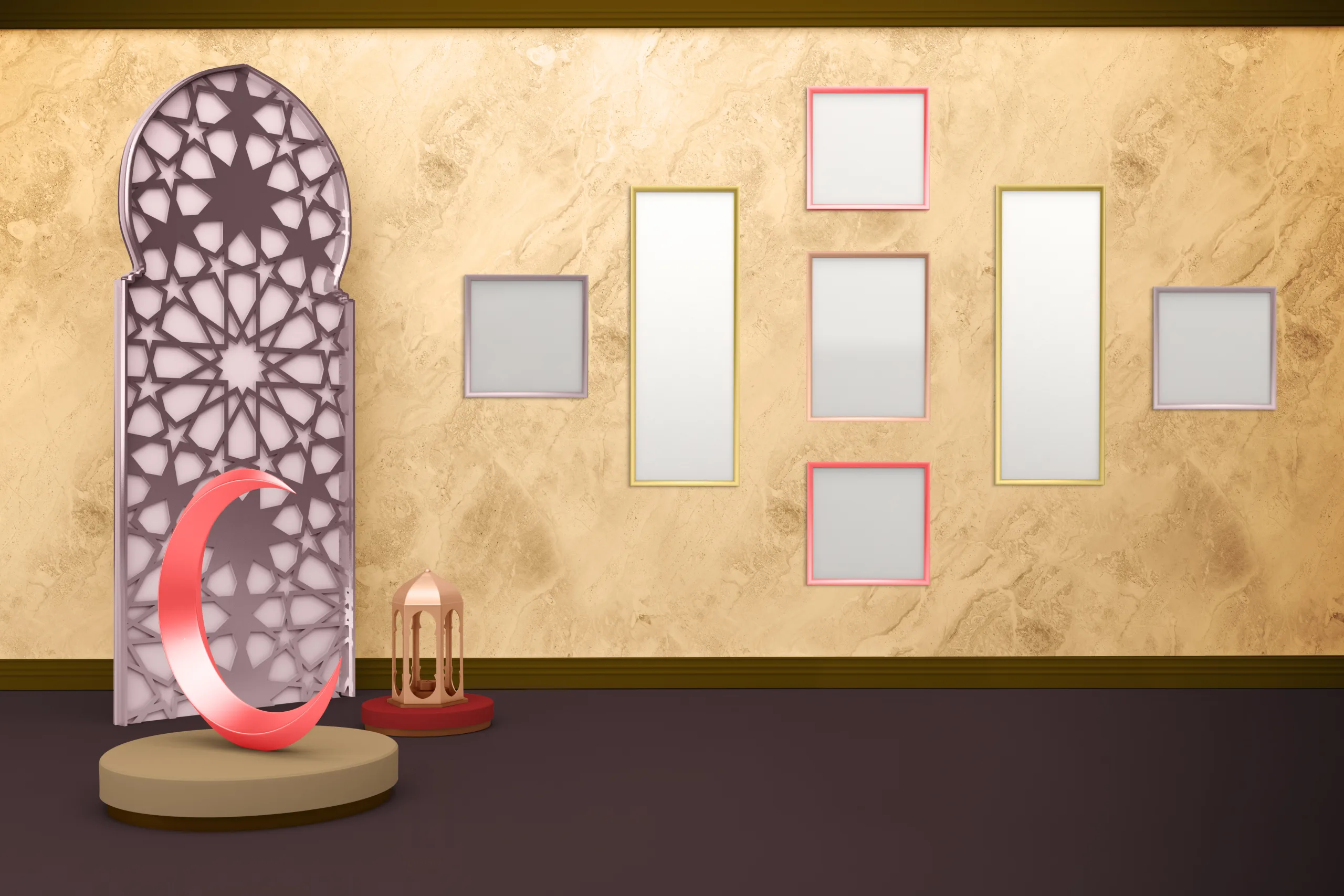
Arabian contemporary fusion is also gaining popularity. This style blends traditional Middle Eastern elements like geometric patterns and warm textures with modern furniture and lighting. The result is a culturally rich environment that feels both local and contemporary.
Lighting Design for Coffee Shops
Lighting is one of the most powerful tools in commercial interior design. In coffee shops, it shapes mood, highlights architectural elements, and enhances the presentation of food and beverages.
Ambient lighting provides the general illumination for the space. It must be soft enough to feel comfortable yet bright enough to maintain visibility.
Accent lighting focuses attention on specific features, such as the coffee bar, menu boards, or decorative installations. Pendant lights above communal tables often create visual focal points while reinforcing the café’s character.
Layered lighting is often used in Dubai cafés, combining ambient, accent, and decorative lighting to create depth and atmosphere.
Materials, Colors, and Textures
Material selection defines the tactile experience of a café interior. Customers may not consciously analyze these details, but they notice how the space feels.
Wood remains one of the most popular materials in café interiors because it communicates warmth and authenticity. Marble and stone surfaces add a sense of luxury and durability, while metal accents provide contrast and structure.
Color palettes in coffee shops typically revolve around earthy tones. Rich greens, warm browns, deep blues, and natural beige shades create an inviting environment that complements the color of coffee itself.
Textures also play an important role. Mixing smooth surfaces with rough textures adds visual interest and prevents interiors from feeling flat or sterile.
Technology Integration in Modern Coffee Shops
Technology is quietly transforming coffee shop interiors. Digital ordering screens, mobile payment systems, and automated espresso machines are becoming standard in many modern cafés.
Smart design integrates these technologies without disrupting the aesthetic of the space. Hidden cables, built-in charging stations, and discreet digital screens allow cafés to maintain a clean visual appearance.
Social media has also influenced café design. Many successful coffee shops intentionally include visually striking corners designed specifically for photography. Neon signs, artistic walls, and unique seating arrangements encourage customers to share images online, effectively turning visitors into brand ambassadors.
Cost of Coffee Shop Interior Design in Dubai
Interior design and fit-out costs vary widely depending on concept, location, and materials. In Dubai, café startup costs can range significantly depending on the level of design ambition.
| Category |
Estimated Cost Range |
| Entry-level café interior |
AED 70,000 – 150,000 |
| Mid-tier café design |
AED 150,000 – 350,000 |
| Premium concept café |
AED 350,000+ |
Interior design and fit-out alone can represent a large portion of the startup budget. Overall café startup costs typically range between AED 150,000 and AED 500,000, depending on size, location, and design complexity.
High-end cafés in luxury districts may invest significantly more to create iconic spaces.
Sustainability and Biophilic Design
Sustainability has become a defining trend in hospitality interiors. Coffee shops increasingly incorporate environmentally conscious materials and energy-efficient systems.
Biophilic design is particularly popular. This approach introduces natural elements such as plants, natural lighting, and organic materials to create a calming environment. Green walls, indoor trees, and natural wood finishes bring life into the space while improving air quality and comfort.
Customers today value brands that demonstrate environmental responsibility. Incorporating sustainable materials, recycling systems, and energy-efficient lighting can strengthen a café’s brand reputation while reducing operational costs.