-
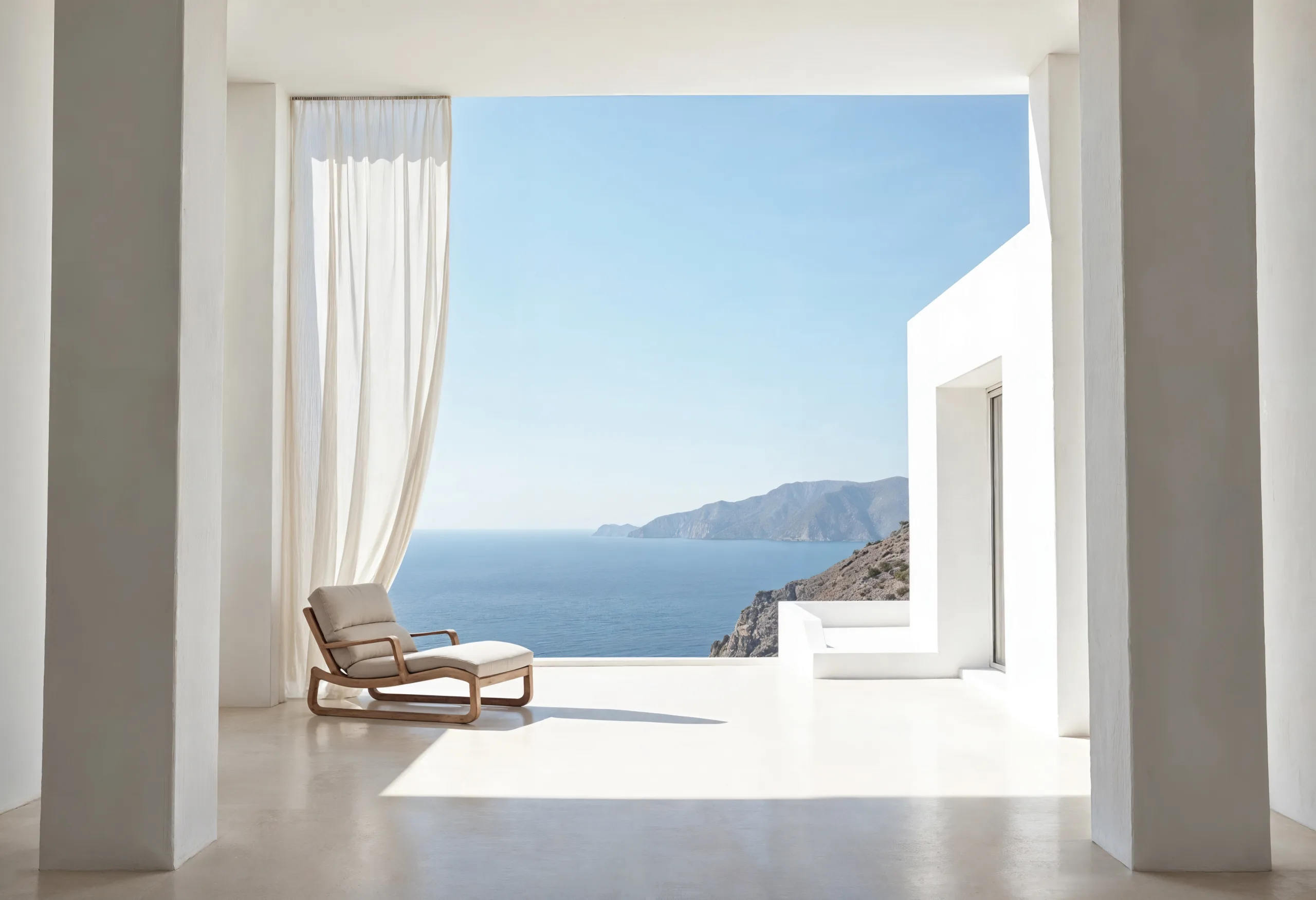
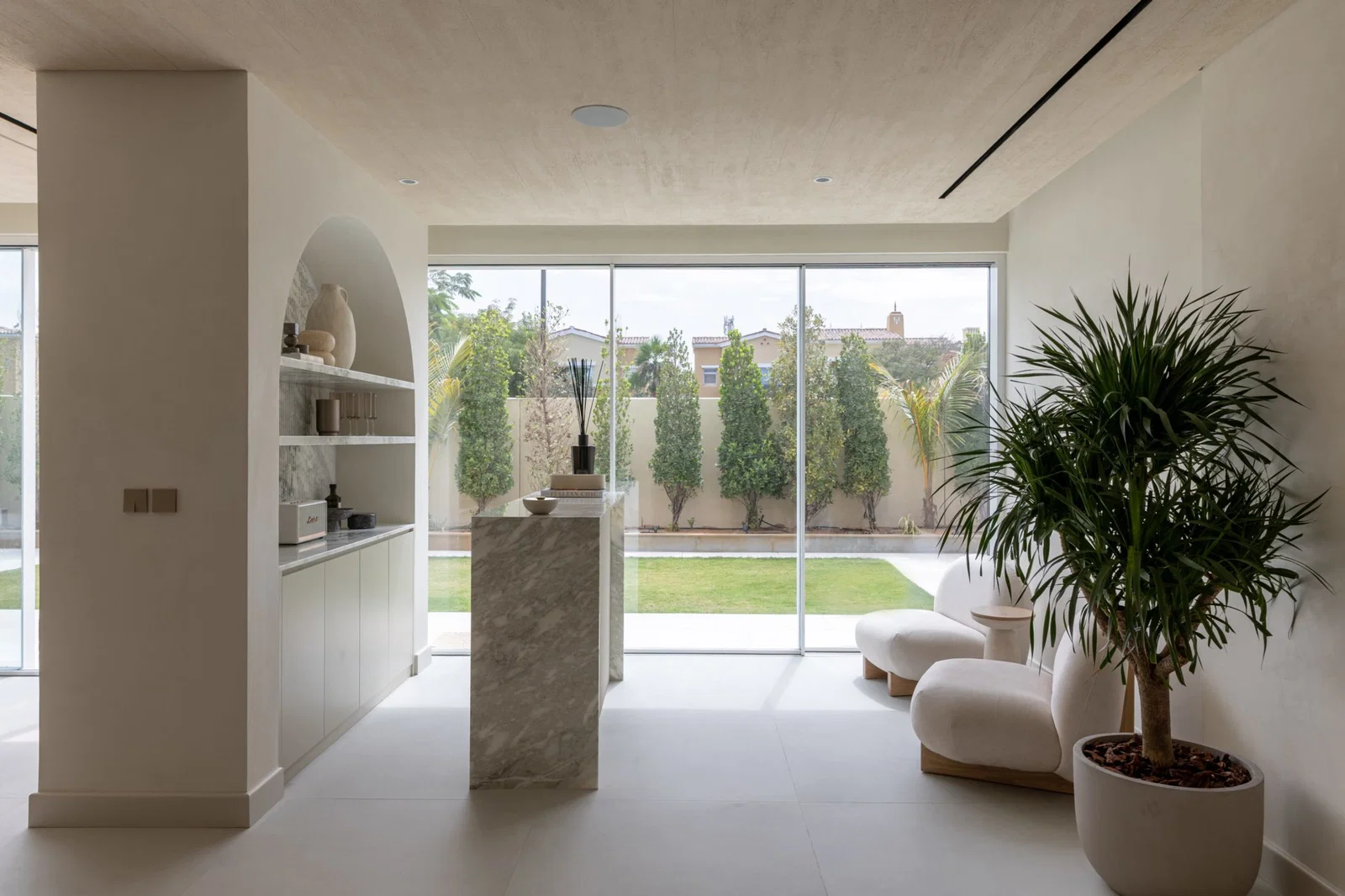
Natural Light: Maximizing natural light is a hallmark of this style, which creates an open and airy environment.
-
Soft, Neutral Tones: White, soft blues, sandy beiges, and sea greens dominate the color palette.
-
Natural Materials: Wood, rattan, jute, and linen are commonly used in furniture and decor.
-
Casual, Relaxed Vibe: Furniture is comfortable and unpretentious, encouraging relaxation.
How to Achieve Coastal Interior Design in Your Living Room
1. Choose the Right Colors
Start by incorporating a neutral base for your walls and large furniture items, such as light whites or soft sand tones. Then, add pops of coastal colors like seafoam green, ocean blue, or even coral accents. These colors will bring the natural beauty of the coast into your living room, setting a calm and refreshing mood.
Paint Your Walls in Soft Neutrals
A simple light-colored wall, such as off-white or light gray, will help to reflect natural light and enhance the sense of space. This gives the room a clean and airy feel, just like the beach.
2. Use Natural Materials and Textures
The foundation of coastal interior design relies on the use of natural materials that connect the indoors with the outdoors. Think wooden furniture, jute rugs, rattan chairs, and woven baskets. These elements not only add texture but also introduce an organic, coastal vibe.
Wooden Furniture for a Relaxed, Earthy Feel
Incorporate driftwood or reclaimed wood furniture to bring that beachy, rustic touch. A weathered coffee table or a set of wooden shelves will perfectly complement the calm vibe you’re aiming for.
Add Woven or Rattan Accents
Woven materials such as rattan or wicker are perfect for furniture pieces like chairs, baskets, and lampshades. These textures will help create a grounded, organic feeling in the space.
3. Bring the Outdoors In with Plants
Coastal design loves the outdoors, so bring some plants into your living area. Large leafy plants like palm trees or smaller potted plants like succulents are great choices. They not only add color and life but also contribute to the overall coastal atmosphere by mimicking the lush greenery found near the beach.
4. Incorporate Nautical Decor
While coastal design is about evoking a sense of the beach, it doesn’t necessarily need to be overtly nautical. A few subtle nods to the sea can work wonders.
Seashell and Coral Accents
Simple, understated decor such as a collection of seashells in a glass jar or a coral sculpture can be both elegant and thematic without overwhelming the space.
Nautical Lighting Fixtures
Pendant lights, table lamps, or sconces that have a nautical flair—like lantern-style lighting or driftwood bases—can add just the right touch of beachy charm.
5. Light and Airy Furniture
Comfort is key in coastal design. Opt for furniture that invites relaxation, such as plush sofas with light linen or cotton covers. Keep the furniture simple and unadorned, avoiding heavy or dark wood, which can make the space feel crowded.
Neutral and Comfortable Upholstery
Choose fabrics like cotton, linen, or even performance fabrics in light tones for the cushions and throws. These fabrics are not only beach-inspired but are also practical and comfortable.
Layered, Comfortable Seating
Consider a sectional sofa, several armchairs, and a cozy area rug. Layer these elements to create a welcoming, casual atmosphere where guests can relax.
6. Play with Patterns and Prints
When it comes to fabrics and wall art, go for subtle patterns that evoke the sea without overwhelming the space.
Stripes, Waves, and Watercolors
Opt for stripes that resemble the horizon or subtle wave patterns to keep the maritime feel alive without going overboard. Watercolor prints of ocean landscapes or beach scenes are also a great way to introduce the coastal aesthetic.
Abstract Ocean Prints
Abstract representations of the ocean, in varying shades of blue and green, can bring visual interest while maintaining the coastal charm.
7. Maximize Views and Natural Light
Incorporate large windows or sliding doors to showcase the view. If possible, open the living area up to an outdoor space, such as a patio or balcony, that can be used to enjoy the fresh air and views.
Install Sheer Curtains
Light, airy curtains made from linen or cotton can filter natural light while still maintaining privacy. They allow light to flood the room, enhancing the bright and airy feel of your coastal-inspired space.