How to Seamlessly Integrate Vintage Pieces into Contemporary Interiors
January 24, 2025
In the world of interior design, blending vintage and contemporary styles is akin to curating an art collection each piece contributes to a narrative. Vintage furniture and décor bring warmth, history, and personality, while contemporary design ensures a clean and polished aesthetic. When thoughtfully combined, these elements create spaces that are timeless, layered, and effortlessly stylish.
If you’re ready to elevate your interiors with a touch of nostalgia, here’s a professional guide to integrating vintage treasures into your modern home.
1. Balance Scale and Proportion
The golden rule of interior design applies here: scale is everything. A Victorian settee can look stunning in a modern living room, but only if it’s proportionate to the space. Similarly, avoid overcrowding smaller areas with large vintage pieces, think of them as punctuation marks rather than entire paragraphs.
Designer Tip: Pair an oversized vintage item, like a tufted Chesterfield sofa, with sleek, low-profile modern furnishings. This interplay ensures the space feels cohesive rather than chaotic.
2. Create Continuity with Color
To bridge the gap between vintage and contemporary, establish a unifying color palette. For instance, if your space leans toward cool tones, think whites, grays, and blues—look for vintage pieces that complement those shades.
Designer Tip: Use paint or upholstery to tie vintage items into the existing scheme. Reupholstering a Louis XV chair in a modern fabric, such as boucle or velvet, gives it new life while keeping its classic silhouette intact.
3. Focus on Functional Styling
Repurposing vintage items is a hallmark of innovative interior design. Not only does this add character to your space, but it also ensures your vintage finds are practical.
Designer Tip: Transform an antique steamer trunk into a coffee table or use a vintage console table as a stylish vanity. These functional focal points add a curated touch to your interiors.
4. Layer Textures for Depth
Combining different textures is essential when juxtaposing eras. For example, a weathered wood dining table pairs beautifully with contemporary leather chairs, while a mid-century credenza can offset the gloss of a polished concrete floor.
Designer Tip: Layering is about creating contrast. Don’t shy away from mixing patinated metals, raw woods, and plush fabrics; they tell a richer story together.
5. Embrace Statement Pieces
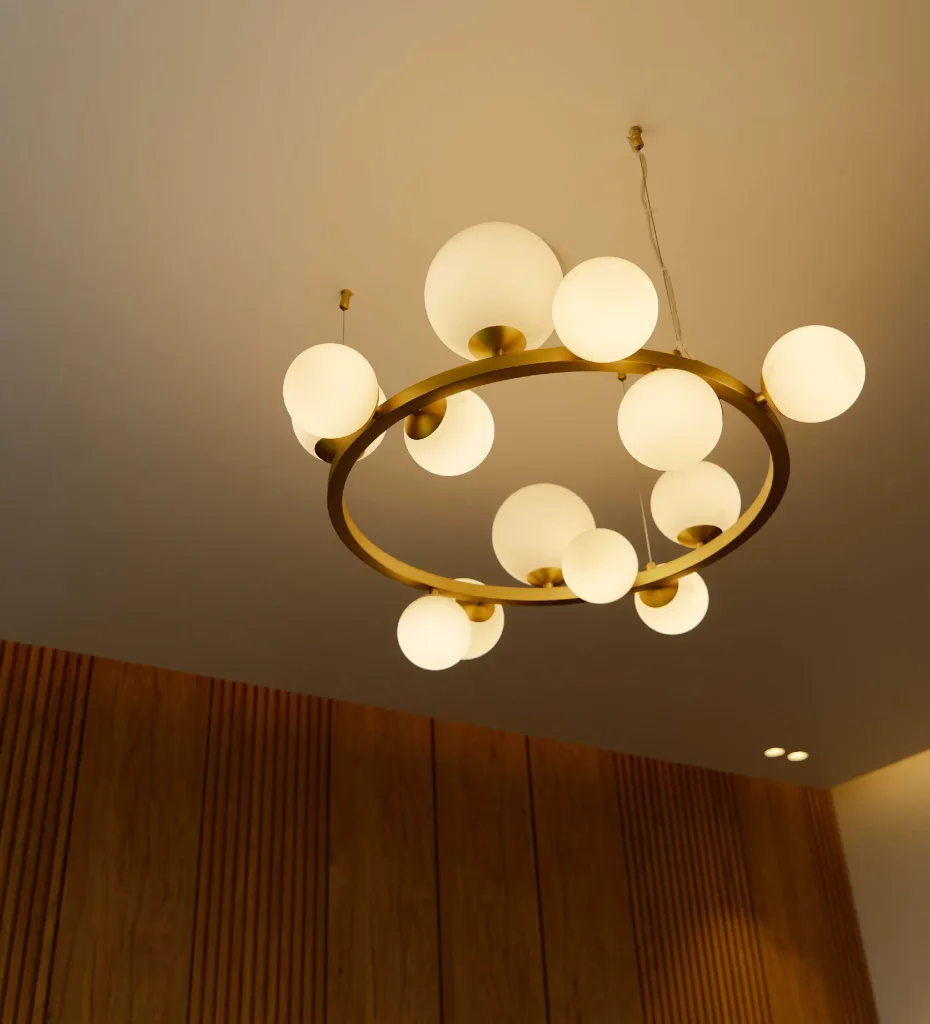
A standout vintage piece acts as the visual anchor in a room. Whether it’s a Murano glass chandelier, an Art Deco bar cart, or a hand-knotted Persian rug, these elements bring an undeniable wow factor.
Designer Tip: Less is more when it comes to statement pieces. Avoid clutter by letting one or two vintage items take center stage, surrounded by modern, minimalist designs.
6. Incorporate Eclectic Art and Accessories
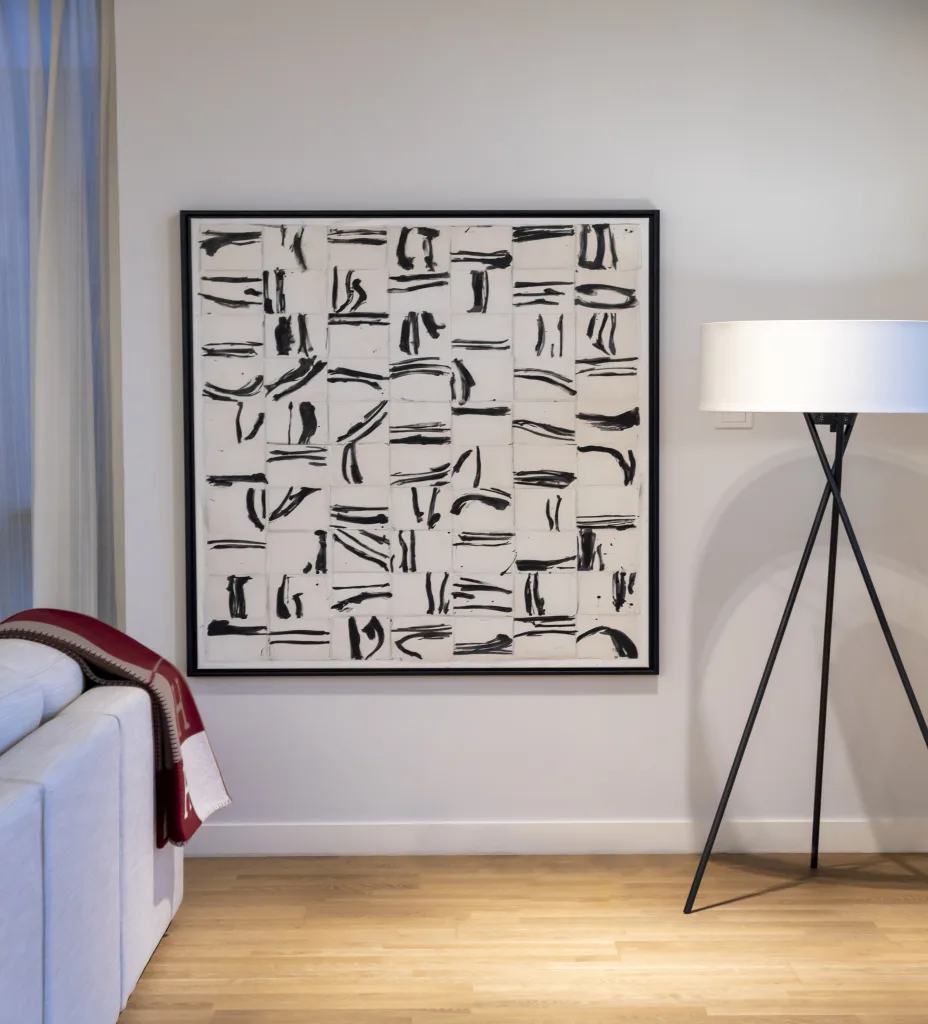
Accessories and art are excellent ways to infuse vintage flair without committing to large furniture pieces. Consider framed antique maps, retro ceramics, or vintage books displayed on modern shelving.
Designer Tip: Curate a gallery wall that mixes vintage artwork with contemporary prints. This juxtaposition creates a compelling dialogue between past and present.
7. Highlight the Patina
The beauty of vintage lies in its imperfections. Worn leather, chipped paint, or a faded finish isn’t a flaw—it’s character. These elements lend authenticity and charm to contemporary interiors.
Designer Tip: Contrast the aged look of a vintage piece with sleek, modern materials like glass or metal. A distressed wood table looks striking against a glossy acrylic chair.
FAQs
- How do I know if a vintage piece will work in my space?
Look for pieces that resonate with you and complement your overall design aesthetic. A good rule of thumb is to choose items that contrast or balance your existing furniture without overpowering the space. - Can I mix multiple eras in one room?
Absolutely! Eclectic design thrives on blending different time periods. Just ensure there’s a unifying element, like a consistent color palette or material, to keep the space cohesive. - Should I restore or leave vintage items as they are?
It depends on the item’s condition and your vision. Some pieces are more valuable when kept in their original state, while others can benefit from refinishing or reupholstering to align with modern aesthetics. - How do I avoid making my space look cluttered with vintage décor?
Curate thoughtfully. Incorporate one or two standout vintage pieces in each room and balance them with clean-lined, modern furnishings. Use negative space to let your vintage items breathe. - Where can I find high-quality vintage pieces?
Check estate sales, antique shops, flea markets, and online platforms like 1stdibs or Chairish. If you’re looking for affordable options, thrift stores and local auctions often yield hidden gems.
Designing a space that marries vintage charm with contemporary sophistication requires intention and creativity. By focusing on balance, scale, and cohesion, you can curate interiors that feel collected rather than chaotic. Vintage pieces tell stories, evoke emotions, and add depth that contemporary designs alone cannot achieve.
The result? A home that feels layered, unique, and timeless just like great design should.
How to Integrate Vintage Pieces into Modern Interiors
Blending vintage elements with contemporary design adds warmth and personality to any space. Vintage furniture and décor bring history and character, while modern design offers a clean and polished aesthetic. Here’s how to mix both for a timeless, stylish home:
1. Balance Scale and Proportion
Vintage pieces should complement the space, not overwhelm it. For smaller rooms, use vintage accents like a statement chair rather than large items.
Tip: Pair oversized vintage items with sleek, modern furnishings for a cohesive look.
2. Create Continuity with Color
Ensure your vintage items fit into your existing color palette. Reupholster vintage furniture in modern fabrics to keep them fresh and aligned with your décor.
Tip: Choose fabrics like velvet or boucle to modernize vintage pieces.
3. Focus on Functionality
Repurpose vintage items to add both character and practicality. An antique trunk can make a great coffee table, or a vintage console can serve as a chic vanity.
Tip: Transform vintage finds into functional focal points in your home.
4. Layer Textures for Depth
Combine the texture of vintage wood, metals, or fabrics with modern materials to create visual contrast and depth.
Tip: Mix raw materials with plush fabrics for a dynamic, balanced look.
5. Embrace Statement Pieces
A standout vintage item—like a Murano glass chandelier or a Persian rug—can become the focal point of a room.
Tip: Let one or two vintage pieces take center stage and surround them with minimalist modern furniture.
Final Thoughts
Integrating vintage with contemporary design adds personality, depth, and timeless elegance to your home. By focusing on balance, color, and texture, you can create a space that is uniquely your own, blending the past and present with style.
FAQS
- How do I choose the right vintage pieces?
Select items that complement your existing décor, ensuring they fit both the scale and aesthetic of your space. - Can I mix different eras?
Yes! Just ensure there’s a common theme or color palette to keep the room cohesive. - Should I restore vintage pieces?
It depends on the piece’s condition. Some may benefit from restoration, while others are best left in their original state. - How do I avoid cluttering the space with vintage items?
Use one or two key pieces per room and balance them with modern designs.
5. Where can I find vintage pieces?
Check antique shops, estate sales, and online platforms like 1stdibs or Chairish for unique finds.